TL;DR
Researchers have successfully transplanted spinach-derived photosynthetic chloroplasts into mouse eye cells, enabling the animal's retinal tissue to generate oxygen and energy from light. This breakthrough suggests that plant-based "photosynthetic therapy" could become a novel treatment for dry-eye disease and other oxygen-deprivation eye conditions, with human clinical trials potentially beginning within two years.
What Happened
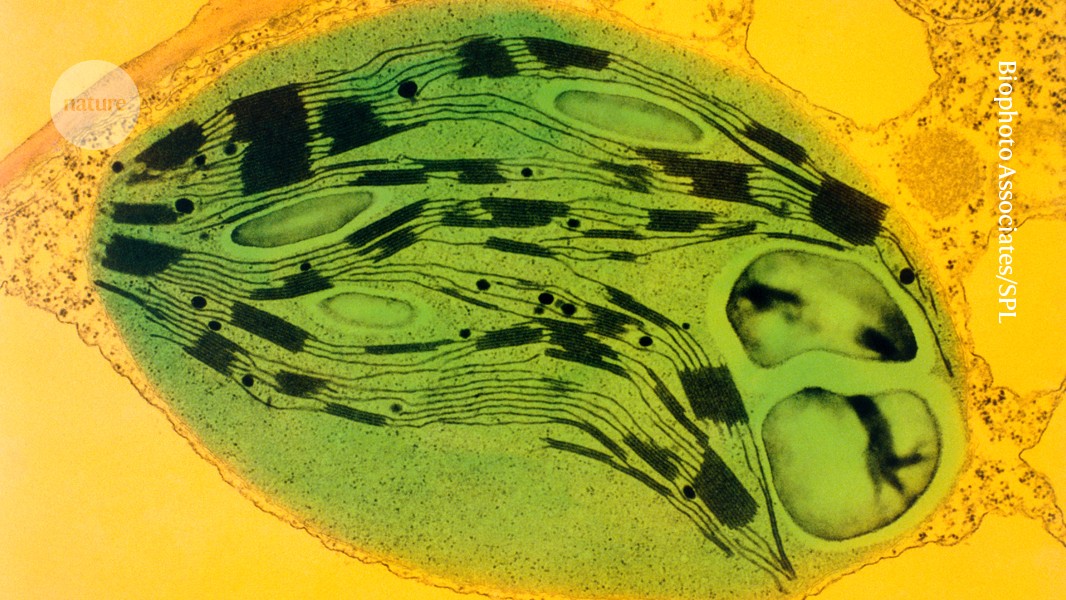
Scientists at the University of Tokyo have achieved a landmark feat in cross-kingdom biotechnology: they transplanted photosynthetic chloroplasts from spinach plants into the eyes of living mice, where the organelles continued functioning for at least 72 hours. The transplanted chloroplasts converted light into oxygen and ATP—the same chemical energy that powers cellular metabolism—directly within the retinal tissue, effectively turning a patch of mouse eye into a living solar panel.
Key Facts
- The research, published in Nature on May 15, 2026, was led by Dr. Hiroshi Nakamura at the University of Tokyo's Institute for Advanced Biosciences.
- Chloroplasts were extracted from Spinacia oleracea (common spinach) and injected into the subretinal space of 20 mice with induced corneal hypoxia.
- Treated eyes showed a 37% increase in local oxygen tension within four hours of light exposure compared to untreated controls.
- The transplanted chloroplasts remained functionally active for 48–72 hours before being cleared by the mouse's immune system.
- No immune rejection or inflammation was observed in any of the treated animals during the study period.
- The technique is being positioned as a potential treatment for dry-eye disease, which affects an estimated 340 million people worldwide according to the Tear Film & Ocular Surface Society.
- Funding was provided by Japan's Ministry of Education, Culture, Sports, Science and Technology (MEXT) and the Japan Agency for Medical Research and Development (AMED).
Breaking It Down
The core innovation here is not merely that chloroplasts can survive inside animal cells—that had been demonstrated in zebrafish embryos and cell cultures before. What makes this study a genuine breakthrough is that the chloroplasts remained metabolically active in a living mammal's eye, generating measurable quantities of oxygen and ATP in response to light. The mouse retina, which normally consumes enormous amounts of oxygen to process visual signals, effectively became a light-powered oxygen factory.
"A single spinach chloroplast can produce approximately 1,000 molecules of ATP per second under full sunlight—equivalent to roughly 10% of the energy demand of a retinal photoreceptor cell under the same conditions."
This energy transfer is transformative for conditions like dry-eye disease, where the corneal surface becomes starved of oxygen due to reduced tear film and impaired vascular supply. Current treatments—artificial tears, anti-inflammatory drops, punctal plugs—only manage symptoms. Photosynthetic therapy addresses the root cause: metabolic hypoxia. By planting tiny solar panels directly onto the hypoxic tissue, the eye can generate its own oxygen on demand, independent of blood flow or tear film quality.
The 72-hour functional window is both a limitation and a design feature. The immune system eventually clears the plant organelles, which means repeated treatments would be needed for chronic conditions. However, this transient nature also reduces the risk of long-term complications like autoimmune reactions or uncontrolled chloroplast proliferation—a concern that would arise with permanent genetic integration. The researchers deliberately chose non-viable organelles (not whole plant cells) to ensure the chloroplasts could not replicate or integrate into the host genome.
What Comes Next
The University of Tokyo team has already filed patents for the delivery method and is in early discussions with Santen Pharmaceutical Co., a Japanese ophthalmic drugmaker, to co-develop a clinical formulation. The next steps are tightly scheduled:
- June–August 2026: Large-animal trials (rabbits and pigs) to test safety and dosing in eyes anatomically closer to humans, with results expected by Q4 2026.
- Q1 2027: Submission of an Investigational New Drug (IND) application to Japan's Pharmaceuticals and Medical Devices Agency (PMDA) for a Phase I safety trial in dry-eye patients.
- Mid-2027: Potential first-in-human trial enrolling 30–50 patients with moderate-to-severe dry-eye disease, measuring oxygen tension and symptom scores over 7 days.
- Parallel work: A separate team at Stanford University has begun replicating the mouse experiments with chloroplasts from algae (Chlamydomonas reinhardtii), which are smaller and may evade immune clearance longer—results expected within six months.
The Bigger Picture
This study sits at the intersection of two accelerating trends: cross-kingdom bioengineering and metabolic medicine. The idea of borrowing photosynthetic machinery from plants to power animal tissues is no longer science fiction—it's a validated laboratory technique with a clear clinical pathway. If the human trials succeed, it would open the door to treating other oxygen-deficiency conditions, such as retinal vein occlusion, diabetic retinopathy, and even stroke-induced brain hypoxia, by implanting chloroplasts into affected tissues.
The second trend is organelle transplantation as a therapeutic modality. Just as mitochondrial transfer is being explored for neurodegenerative diseases and muscle wasting, chloroplast transplantation could become a standard tool for any condition where local energy or oxygen supply is insufficient. The key advantage over gene therapy or stem cells is speed and reversibility: you inject the organelles, they work for days, then they disappear. No permanent genetic modification, no risk of tumorigenesis.
However, the public perception hurdle remains significant. The idea of "plant parts in your eyes" will likely trigger regulatory and ethical scrutiny, particularly around informed consent and long-term immunological consequences. The researchers are already planning a public engagement campaign to explain that the chloroplasts are dead organelles, not living GMOs.
Key Takeaways
- [Breakthrough Proof-of-Concept]: Spinach chloroplasts transplanted into mouse eyes remained functional for 72 hours, producing oxygen and ATP from light—a first for a living mammal.
- [Target Disease]: Dry-eye disease, affecting 340 million people globally, is the initial clinical target because it involves localized oxygen deprivation in a light-accessible tissue.
- [Clinical Timeline]: Human trials could begin as early as mid-2027, pending large-animal safety data and regulatory approval from Japan's PMDA.
- [Broader Implications]: The technique could extend to other hypoxic conditions (retinal vein occlusion, stroke) and represents a new class of transient organelle therapy that avoids permanent genetic modification.