TL;DR
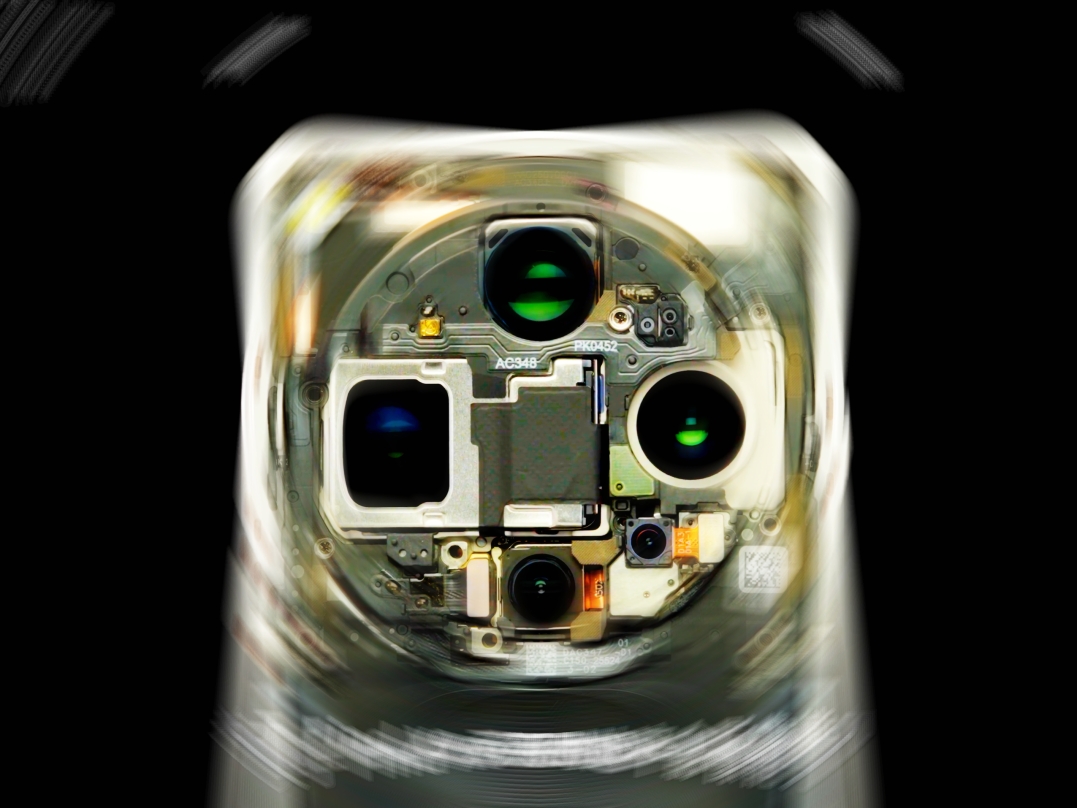
Oppo has unveiled the full camera specifications for its upcoming Find X9 Ultra, claiming it possesses the most powerful camera system ever put in a smartphone. The company is making direct performance comparisons not to current rivals, but to the unreleased Apple iPhone 17 Pro, signaling a bold, future-focused offensive in the high-end imaging war.
What Happened
On Wednesday, April 8, 2026, Oppo pulled back the curtain on the complete imaging hardware for its flagship Find X9 Ultra. In a detailed reveal, the Chinese smartphone maker didn't just tout incremental improvements but declared a revolutionary leap, positioning its new camera array as the new benchmark for mobile photography and making the audacious move of comparing its capabilities directly to a future Apple flagship.
Key Facts
- Oppo officially detailed the camera system of the Find X9 Ultra on April 8, 2026, as reported by Notebookcheck.net.
- The company claims the system offers a "massive light intake advantage" over older Samsung phones featuring 10x periscope zoom lenses.
- Oppo states its new 1x (main) and 3x (portrait/telephoto) cameras set "record-breaking" performance standards.
- The reveal includes direct comparisons to the Apple iPhone 17 Pro, a device not expected until September 2026.
- The announcement focuses on hardware specifications, suggesting Oppo is leading with pure sensor and lens capability before showcasing final software processing.
Breaking It Down
Oppo’s announcement is less a product launch and more a strategic declaration of war in the premium smartphone segment. By detailing the Find X9 Ultra’s camera hardware months in advance of a likely full launch, Oppo is attempting to seize the narrative and freeze consumer intent. The most telling aspect is the target of its comparisons. Instead of benchmarking against the currently dominant Samsung Galaxy S25 Ultra or Apple iPhone 16 Pro Max, Oppo is aiming over their heads at the iPhone 17 Pro. This is a calculated gamble to frame the Find X9 Ultra not as a competitor for today’s market, but as the device that defines tomorrow’s standards. It suggests Oppo believes its technological lead is so substantial that only Apple’s next-generation hardware will be a relevant point of comparison.
The company claims a "massive light intake advantage" over older Samsung phones with 10x zoom.
This single claim is the technical cornerstone of Oppo's confidence. "Light intake" is a direct function of sensor size and lens aperture. For Oppo to claim a decisive advantage in the critical telephoto range—a battleground where Samsung has long been dominant with its high-magnification periscope modules—implies a fundamental hardware breakthrough. This could involve a significantly larger sensor for the periscope lens, a wider aperture, or a novel lens design that reduces light loss. If substantiated, this would translate to superior low-light performance at high zoom levels, less noisy images, and potentially better video stabilization, directly challenging a key selling point of rivals like the Samsung Galaxy S25 Ultra.
The focus on "record-breaking" performance for the 1x and 3x cameras indicates a holistic approach. The industry trend has been toward specialization: a giant main sensor, a capable ultra-wide, and a long-range periscope. Oppo’s claims suggest it is pushing the envelope on all primary focal lengths simultaneously. A record-breaking main sensor likely continues the trend toward one-inch-type sensors but with new pixel technology or faster readout speeds. A revolutionary 3x telephoto, often used for portraits, could close the quality gap that typically exists between the main and auxiliary cameras, making the zoom experience seamless from 1x to 3x and beyond.
This pre-emptive specification reveal also pressures competitors, particularly Xiaomi and Vivo, who operate in the same cutthroat Chinese market. By setting the bar publicly, Oppo forces its rivals to either match the claimed specifications in their upcoming devices or pivot their marketing to different strengths, such as computational photography or AI features. It turns a product launch into a high-stakes game of specification poker.
What Comes Next
The immediate future will be defined by validation, reaction, and the final integration of this hardware with software.
-
Independent Testing and Verification: The claims made by Oppo, especially the "record-breaking" light intake and performance metrics, will face intense scrutiny from reviewers and teardown specialists like DXOMARK. The first laboratory tests and side-by-side comparisons with the Samsung Galaxy S25 Ultra and iPhone 16 Pro Max will be critical in determining if the reality matches the marketing.
-
Competitive Response from Samsung and Apple: Samsung is unlikely to remain silent. Expect pointed marketing highlighting the strengths of its own camera ecosystem or an accelerated reveal of its own next-generation sensor technology. Apple, typically silent on future products, may see its supply chain partners leak more details about the iPhone 17 Pro's camera system to counter Oppo's narrative.
-
The Full Find X9 Ultra Launch Event: This hardware reveal is only the first act. The full launch event, expected in late April or May 2026, must showcase the software processing, AI algorithms, and user experience that bring these sensors to life. The performance of features like HDR, portrait mode, and low-light video will be the ultimate test.
-
Market Availability and Pricing: The global rollout strategy and final pricing will determine the Find X9 Ultra's commercial impact. If priced significantly above key rivals, its hardware advantage must be overwhelming to justify the cost. Its reception in key markets like Europe and Southeast Asia will be a major indicator of Oppo's global flagship ambitions.
The Bigger Picture
Oppo’s move exemplifies two major, converging trends in the smartphone industry. First, the Hardware Specification Arms Race has reached a new peak. With overall smartphone design largely homogenized, the camera system has become the primary battlefield for differentiation. Manufacturers are now competing on hyper-specific metrics like "light intake," sensor size for each lens, and aperture values, pushing the physical limits of what can fit inside a mobile device.
Second, this announcement highlights the shift toward Predictive and Pre-emptive Marketing. In a saturated market, brands are attempting to control the conversation earlier in the product cycle. By announcing key specifications well in advance, Oppo aims to shape buyer perception, sow doubt about current-generation competitors, and position itself as the innovation leader. This tactic, once common in the PC component space, is becoming normalized for flagship smartphones.
Furthermore, the direct comparison to an unreleased Apple product underscores the Global Aspirations of Chinese OEMs. Oppo is not content with regional dominance; it is explicitly targeting the premium segment globally, where Apple is the undisputed king. This represents a confident, head-on challenge to the established hierarchy of the smartphone market.
Key Takeaways
- A Hardware Power Play: Oppo’s Find X9 Ultra camera reveal is a bold attempt to claim the outright hardware performance crown, focusing on measurable advantages in sensor light capture across multiple lenses.
- Future-Focused Benchmarking: By comparing the Find X9 Ultra to the future iPhone 17 Pro, Oppo is strategically positioning its technology as a generation ahead of current flagships, including its own competitors' present-day offerings.
- The Telephoto Battleground: The claimed "massive light intake advantage" in zoom photography directly targets a core strength of Samsung's Ultra models, signaling a major shift in the balance of power for long-range smartphone photography.
- Marketing as Pre-emption: This detailed, early specification drop is a tactical move to dominate the 2026 flagship narrative, pressure rivals, and attract early-adopter interest before any device hits store shelves.