TL;DR
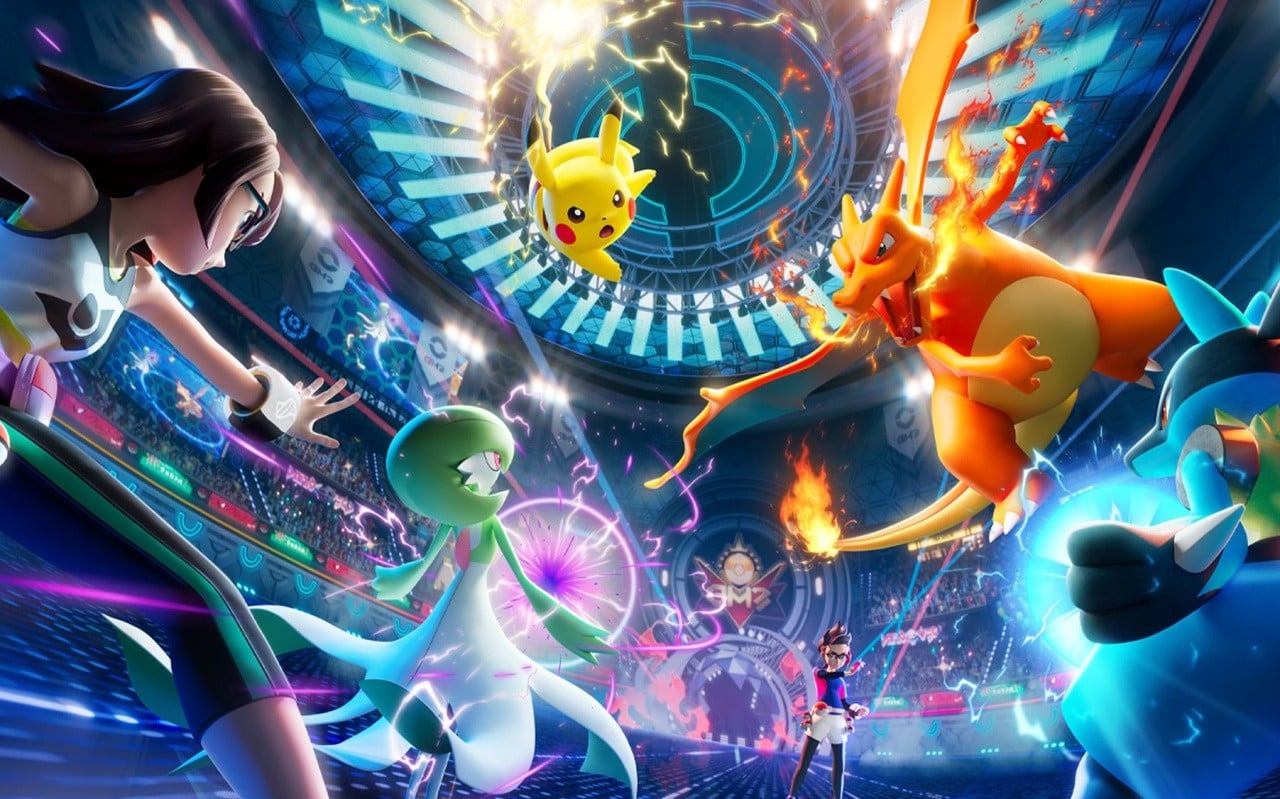
Pokémon Champions, the long-rumored competitive-focused Pokémon title, has launched as a surprise digital-only release on the Nintendo Switch. In a parallel move, Nintendo has also released a significant free update for the Switch 2, enhancing its backward compatibility features and performance profiles for legacy software.
What Happened
In a move that bypassed the traditional pre-release marketing cycle, The Pokémon Company and Nintendo dropped "Pokémon Champions" onto the Nintendo eShop today. The simultaneous release of a major free system update for the Switch 2 signals a strategic effort to bridge the console generations and maximize the ecosystem's value during a critical hardware transition period.
Key Facts
- Pokémon Champions is now available for digital purchase exclusively on the Nintendo Switch family of systems for $59.99 USD.
- The game is described as a competitive-focused experience, emphasizing ranked online battles, team-building strategy, and a streamlined narrative that eschews the traditional gym challenge for a direct path to tournament play.
- A free system update (Version 18.0.0) was deployed for the Nintendo Switch 2, which launched globally in late 2025, focusing on backward compatibility enhancements.
- The update introduces "Legacy Boost" modes for select Switch 1 titles, allowing them to utilize the Switch 2's increased processing power for higher, more stable frame rates and faster load times.
- This dual-release strategy was executed without a prior announcement, a tactic Nintendo has occasionally used, most notably with the shadow-drop of "Metroid Prime 4: Echoes" in late 2024.
- Industry analysts note this is the first major first-party Pokémon title released after the launch of the Switch 2, testing the market's appetite for premium software on the legacy platform.
- The update confirms Nintendo's public commitment to supporting the original Switch's estimated 145 million-unit installed base while incentivizing upgrades to the new hardware.
Breaking It Down
The surprise launch of Pokémon Champions is a calculated risk that reveals The Pokémon Company's confidence in the enduring strength of the Switch platform. By releasing a full-price, competitive-centric title on the older hardware, they are directly targeting the massive, engaged player base built over the last nine years. This move acknowledges that the competitive Pokémon community is one of the franchise's most dedicated segments, often less concerned with graphical fidelity than with meta-game stability and accessible online infrastructure. Releasing on the Switch ensures maximum immediate reach, avoiding the friction of a platform transition that could fragment the player pool during a critical launch window.
The Switch 2's "Legacy Boost" update effectively creates a two-tiered performance standard for the same software purchase, a first for Nintendo's console ecosystem.
This is the most significant analytical takeaway from today's news. Previously, Nintendo's backward compatibility, from Wii to Wii U or Game Boy to DS, offered replication, not enhancement. The "Legacy Boost" feature for the Switch 2 changes that dynamic fundamentally. A player who buys Pokémon Champions on their original Switch will have one experience. The same player, using the same digital license on a Switch 2, will likely benefit from a locked 60fps in battles, near-instantaneous menu navigation, and potentially sharper image quality. This creates a powerful, software-driven upgrade incentive without forcing developers to create separate "Pro" patches. It reframes the Switch 2 not just as a new console, but as a definitive edition player for the entire Switch library.
The decision to shadow-drop the game is equally strategic. It circumvents the extended hype cycle that can lead to unrealistic expectations, particularly for a game focused on systems and balance over expansive new regions. It also generates immediate, concentrated buzz and drives impulsive purchases, flooding the online ranked ladders with players from day one—a crucial element for a title whose longevity depends on a vibrant competitive scene. This approach minimizes the window for pre-release skepticism and leverages the powerful, real-time marketing engine of social media and streaming platforms.
Financially, this is a masterclass in ecosystem management. The Pokémon Company secures a major revenue event from the Switch's vast install base. Nintendo simultaneously provides a compelling reason for Switch owners to consider the Switch 2: their existing and new software library will objectively perform better. It transforms the value proposition of the new hardware from being solely about exclusive new titles to also being the best way to experience the past nine years of Switch games.
What Comes Next
The immediate focus will be on the community and technical reception of both the game and the system update. The coming weeks will determine if Pokémon Champions can capture the sustained engagement of the hardcore battling community or if it will be seen as a stopgap before a next-generation mainline title.
- Community Metagame Development: Watch for the emergent competitive tier lists and dominant strategies within Pokémon Champions. The game's success hinges on a balanced, deep metagame. Early tournaments, both official and community-run, will be key indicators.
- Expansion of "Legacy Boost": Nintendo has stated the initial update applies to "select" titles. The rollout of Legacy Boost profiles for other major Switch 1 games—such as The Legend of Zelda: Tears of the Kingdom, Super Smash Bros. Ultimate, and Monster Hunter Rise—will be a critical ongoing process. The pace and breadth of this support will define the Switch 2's value as a backward-compatibility machine.
- Sales Data and Platform Split: The first financial reports to include Pokémon Champions will be scrutinized to see what percentage of sales were on Switch 1 versus Switch 2. This data will inform future third-party and first-party support decisions for the legacy platform.
- Pokémon Company's Next Move: This release clarifies the roadmap. A next-generation Pokémon title built natively for the Switch 2 is now an inevitability, but its announcement timing will be carefully gauged against the lifespan of Pokémon Champions.
The Bigger Picture
This event is a clear case study in Managed Platform Transitions. Unlike abrupt generational shifts, Nintendo is employing a soft, additive strategy. The Switch 2 is positioned as an enhancement layer over the existing Switch ecosystem, not a wholesale replacement. This reduces consumer anxiety about obsolescence and allows software developers to capture value across two hardware generations simultaneously, a model increasingly common in the PC and smartphone spaces but refined here for the console market.
Furthermore, it highlights the industry's pivot toward Games-as-a-Platform. Pokémon Champions, with its focus on ranked seasons, online tournaments, and perpetual meta-shifts, is designed as a persistent service. The shadow-drop launch is a tactic to instantly populate that service. The concurrent system update ensures the "platform" of the game runs optimally on the new hardware, future-proofing its operational base. This reflects a broader trend where the launch of a game is merely the beginning of its lifecycle, dependent on continuous engagement, which in turn is supported by continuous hardware and software updates from the platform holder.
Key Takeaways
- Strategic Shadow-Drop: Nintendo and The Pokémon Company bypassed traditional marketing to launch Pokémon Champions directly, aiming for maximum immediate player engagement and buzz in the competitive scene.
- Ecosystem Bridge: The simultaneous free Switch 2 update with Legacy Boost creates a powerful, software-defined upgrade path, incentivizing new hardware purchases while protecting investments in the old platform.
- Two-Tiered Performance: For the first time, a Nintendo console natively enhances the performance of its predecessor's software, making the Switch 2 the definitive way to play the Switch library.
- Transition Blueprint: This dual release offers a model for managed platform transitions, maximizing revenue from a massive install base while clearly demonstrating the value of next-generation hardware.