TL;DR
Scientists have developed a new antibody targeting the Epstein-Barr virus (EBV), which infects an estimated 95% of adults worldwide. This breakthrough matters now because EBV is linked to multiple sclerosis and several cancers, and no approved vaccine or targeted therapy currently exists.
What Happened
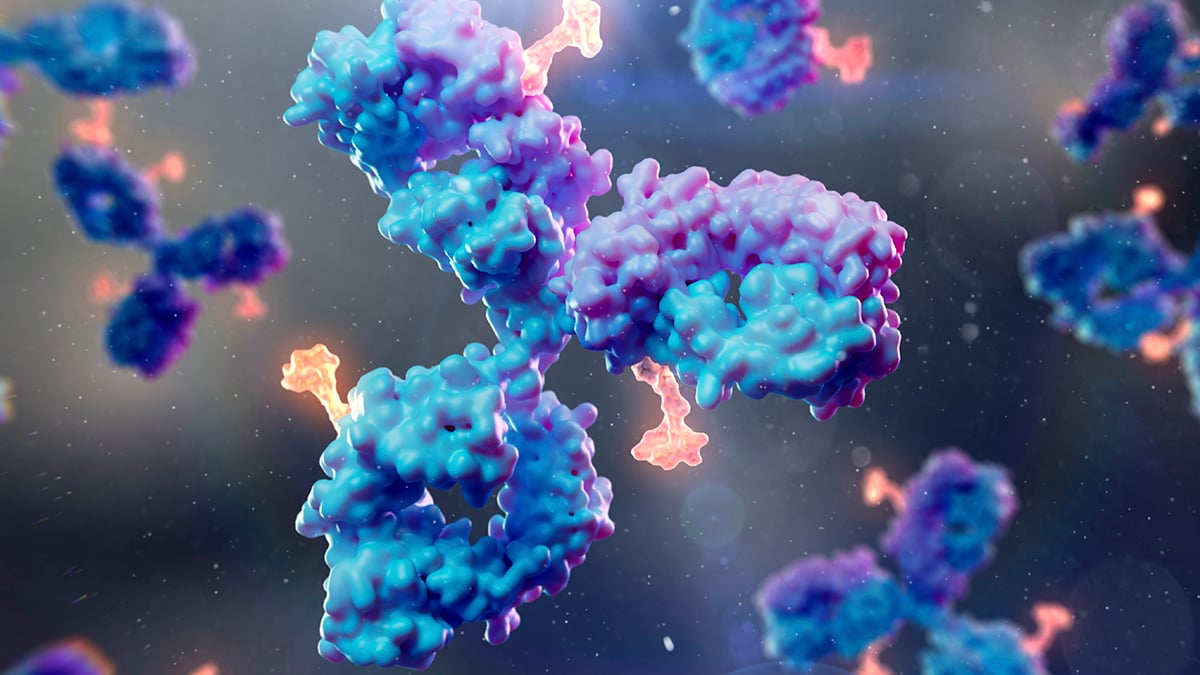
Researchers have engineered a monoclonal antibody that neutralizes Epstein-Barr virus (EBV), a pathogen carried by approximately 95% of the global adult population. The discovery, reported by ScienceAlert on May 2, 2026, marks the first targeted therapeutic approach against a virus long considered untreatable due to its ability to remain latent in host cells for decades.
Key Facts
- Epstein-Barr virus infects roughly 95% of adults worldwide, making it one of the most prevalent human viruses.
- EBV is a gammaherpesvirus that establishes lifelong latency in B lymphocytes after primary infection.
- The virus is causally linked to multiple sclerosis (MS) , Burkitt lymphoma, Hodgkin lymphoma, and nasopharyngeal carcinoma.
- No FDA-approved vaccine or antiviral therapy currently exists for EBV, despite decades of research.
- The new antibody targets a specific surface glycoprotein involved in viral entry into host cells, blocking infection.
- The research team, whose details were published in a peer-reviewed journal, demonstrated neutralization in cell culture and animal models.
- EBV is transmitted primarily through saliva, with most people infected by young adulthood in developed countries.
Breaking It Down
The significance of this antibody extends beyond simply adding another antiviral to the arsenal. EBV’s ability to evade the immune system by entering a latent state has frustrated drug development for over 50 years. Most antivirals target actively replicating viruses, but EBV spends the vast majority of its time in a dormant phase inside B cells, invisible to both the immune system and existing drugs.
EBV is estimated to contribute to 200,000 new cancer cases annually worldwide, including Burkitt lymphoma, Hodgkin lymphoma, and nasopharyngeal carcinoma, making it a leading viral carcinogen after HPV and hepatitis B.
The new antibody works by binding to a conserved region of the viral glycoprotein gH/gL, which is essential for membrane fusion during entry into both epithelial cells and B lymphocytes. By blocking this initial step, the antibody prevents the virus from ever establishing infection — or, potentially, from reactivating from latency. This dual mechanism is critical because EBV reactivation is thought to drive inflammation in multiple sclerosis and trigger tumor growth in immunocompromised patients.
The approach is reminiscent of the monoclonal antibody therapies that revolutionized treatment for respiratory syncytial virus (RSV) and, more recently, COVID-19. However, EBV presents a harder target because it infects the very immune cells (B cells) that produce antibodies. The researchers had to engineer an antibody that could penetrate lymphoid tissues and neutralize virus before it reached its cellular sanctuary.
What Comes Next
The path from preclinical success to clinical deployment is long, but the research team has laid out a clear timeline. The antibody must first complete Phase I safety trials in healthy volunteers, followed by Phase II efficacy studies in patients with active EBV infection or EBV-associated diseases.
- Phase I clinical trials are expected to begin within 12–18 months, pending regulatory approvals and funding. These will test safety and dosing in 30–50 healthy adults.
- Phase II trials in multiple sclerosis patients with evidence of EBV reactivation could follow within 2–3 years, given the strong epidemiological link between EBV and MS.
- Combination therapy studies with existing B-cell-depleting drugs (e.g., rituximab) may be explored to clear latent virus from infected cells.
- Manufacturing scale-up for monoclonal antibodies remains a bottleneck; the team will need to partner with a large biopharmaceutical company to produce clinical-grade material at cost-effective volumes.
The Bigger Picture
This development sits at the intersection of two major trends: precision immunotherapy and viral oncology. Monoclonal antibodies have become the fastest-growing class of therapeutics, with over 100 approved by the FDA. Applying this platform to a virus that causes both chronic inflammatory disease and cancer aligns with broader efforts to treat infection-driven malignancies — a category that includes HPV-related cervical cancer and hepatitis B-related liver cancer.
The second trend is the re-evaluation of EBV as a direct cause of multiple sclerosis. A landmark 2022 study from Harvard found that EBV infection increased MS risk by 32-fold, shifting the field from correlation to causation. This antibody provides a direct test of that hypothesis: if neutralizing EBV stops MS progression, it would confirm the virus as a therapeutic target and open the door to vaccine development for the first time.
Key Takeaways
- [Breakthrough Antibody]: A new monoclonal antibody neutralizes EBV by blocking viral entry into both epithelial cells and B lymphocytes, a first for this widespread pathogen.
- [Massive Prevalence]: With 95% of adults infected, EBV is linked to 200,000 annual cancer cases and is a confirmed trigger for multiple sclerosis.
- [Clinical Timeline]: Phase I human trials are expected within 12–18 months; Phase II studies in MS patients could follow in 2–3 years.
- [Broader Implications]: Success would validate the use of monoclonal antibodies against latent viruses and potentially lead to the first EBV vaccine.


