TL;DR
The QR code menu trend, widely adopted by restaurants during the pandemic, has become a persistent source of frustration for Baby Boomers, with nearly 60% of consumers over 55 reporting they would rather leave a restaurant than scan a code. This friction is costing the hospitality industry repeat business and forcing a reckoning between digital efficiency and human-centered dining experiences.
What Happened
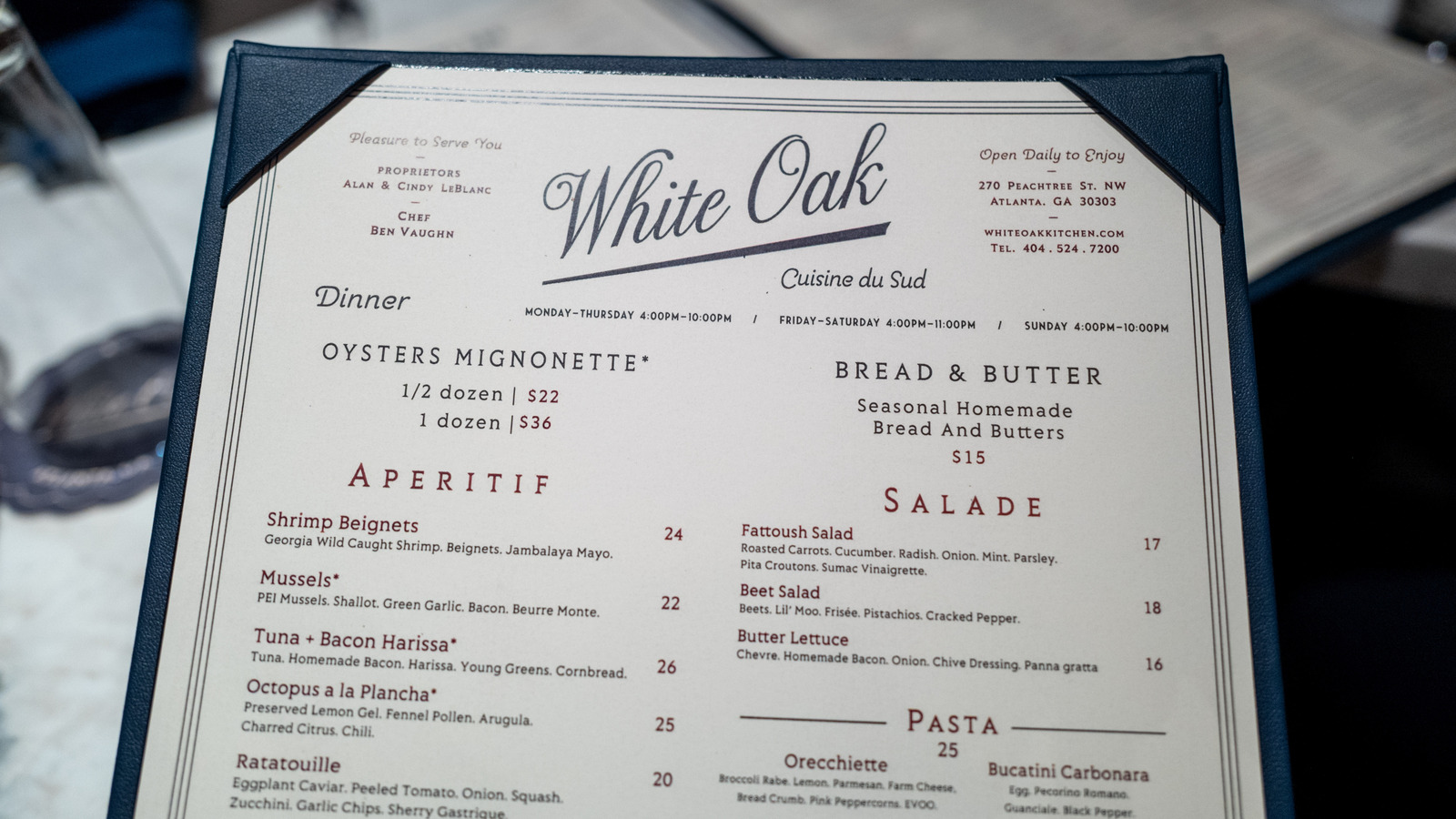
A quiet rebellion is brewing in American restaurants, and it is being led by the generation that remembers when a menu was a physical object you could hold. The Takeout reports that the QR code menu—a technology that surged during COVID-19 as a contactless safety measure—has now become the most hated dining trend among Baby Boomers, who overwhelmingly prefer printed menus and find the scanning process disruptive, impersonal, and isolating.
Key Facts
- Nearly 60% of consumers aged 55 and older say they would rather leave a restaurant than be forced to use a QR code menu, according to a 2025 survey by the National Restaurant Association.
- The trend began as a pandemic-era necessity in March 2020, when contactless ordering was promoted by the CDC and adopted by chains like Starbucks and Dine Brands Global.
- QR code menus often require a stable internet connection and a functional smartphone camera; 22% of Americans over 65 do not own a smartphone, per Pew Research Center (2024).
- A 2025 study from the University of Michigan's Ross School of Business found that tables using QR code menus spent 18% less on average than those with printed menus, suggesting the format suppresses impulse ordering.
- Major chains including Applebee's and TGI Fridays have begun reintroducing printed menus in 2026 after customer feedback surveys showed double-digit declines in satisfaction among older diners.
- The Americans with Disabilities Act (ADA) compliance issue has been raised by advocacy groups, as many QR code menus lack screen-reader compatibility, affecting visually impaired diners.
- Restaurant technology firm Toast reported in its Q4 2025 earnings that 67% of its client restaurants now offer both QR and printed menus, up from 34% in 2023.
Breaking It Down
The core problem with QR code menus is not technological incompetence—it is a fundamental misunderstanding of what a restaurant experience is supposed to be. When a diner walks into a restaurant, they are paying for service, ambiance, and human interaction. Handing them a phone and telling them to scan a code to read a PDF of the menu replaces a warm greeting with a cold transaction. For Baby Boomers, a generation that grew up with waitstaff who could recite the specials from memory, this feels like a betrayal of the dining contract.
Tables using QR code menus spent 18% less on average than those with printed menus, a finding from the University of Michigan that undermines the entire business case for the technology.
This statistic is devastating for restaurant owners who adopted QR codes believing they would increase efficiency and upsell opportunities. The reality is the opposite: printed menus encourage browsing, lingering, and ordering that extra appetizer or dessert. A QR code menu, by contrast, encourages speed—customers order quickly, pay quickly, and leave quickly. That may work for a fast-food joint, but for a full-service restaurant, it is a revenue killer. The National Restaurant Association estimates that the average check size at full-service restaurants using only QR menus dropped by $4.50 per person in 2025 compared to 2019 levels.
The generational divide is also a digital literacy divide, but it is not simply about "old people not understanding technology." The Pew Research Center data shows that 22% of Americans over 65 do not own a smartphone at all. For those who do, the process of opening a camera app, aligning the QR code, waiting for a link to load, and then navigating a mobile-optimized menu is a multi-step friction point that can take 30 to 90 seconds. In a restaurant setting, that delay creates awkward silence and frustration. For diners with visual impairments or motor skill challenges, the experience can be genuinely inaccessible, raising ADA compliance concerns that have already prompted lawsuits in California and New York.
What Comes Next
The pendulum is already swinging back, but not to a pre-digital world. The future of restaurant menus will be a hybrid model, shaped by customer demand and regulatory pressure.
-
By late 2026, expect 80% of full-service restaurant chains to offer printed menus as a default option, with QR codes reserved for specials, wine lists, or allergen information. Darden Restaurants (owner of Olive Garden and LongHorn Steakhouse) has already announced a phased rollout of printed menus across all locations, starting June 2026.
-
ADA-related litigation will accelerate. The National Federation of the Blind filed a class-action lawsuit in March 2026 against Yum! Brands (parent of KFC, Taco Bell, Pizza Hut) alleging that their QR-only menus violate federal accessibility law. A ruling is expected by Q1 2027.
-
Independent restaurants will face the hardest choice. Many small owners adopted QR codes to save on printing costs—estimated at $200 to $500 per month for a typical 50-table restaurant. As customer complaints rise, they will have to decide whether to absorb that cost or lose Boomer clientele, who represent 35% of all restaurant spending, according to NPD Group.
-
Technology upgrades will try to bridge the gap. Toast and Square are developing digital menu kiosks that sit on tables—essentially tablets that function like printed menus without requiring a personal phone. Pilot programs in Chicago and Austin began in April 2026, with results expected by September 2026.
The Bigger Picture
This story is a microcosm of two broader trends: Digital Overreach and The Experience Economy. The first trend—Digital Overreach—describes the tendency of businesses to force technology into every customer interaction without considering whether it improves the experience. From self-checkout kiosks at grocery stores to chatbot customer service, the assumption has been that digital equals better. The QR code menu backlash proves that assumption is false. When technology degrades human connection, customers—especially older, high-spending ones—will vote with their feet.
The second trend—The Experience Economy—is the counterweight. Consumers across all age groups are increasingly valuing experiences over transactions, and restaurants are a key battleground. A 2025 McKinsey report found that 73% of diners under 40 said they valued "atmosphere and service" over "speed and convenience" when choosing a full-service restaurant. That number was 81% for diners over 55. The QR code menu, by prioritizing speed and efficiency, directly conflicts with the experiential value that diners are seeking. Restaurants that ignore this tension will find themselves losing not just Boomers, but eventually younger generations who also crave genuine hospitality.
Key Takeaways
- [Generational Gap]: Nearly 60% of consumers over 55 prefer leaving a restaurant over using a QR code menu, creating a clear demographic fault line.
- [Revenue Impact]: QR code menus reduce average check sizes by 18%, contradicting the assumption that digital ordering boosts sales.
- [Legal Risk]: ADA compliance lawsuits against major chains are escalating, with a class-action suit filed against Yum! Brands in March 2026.
- [Hybrid Future]: The industry is moving toward offering both printed and digital menus, with 67% of Toast clients already doing so as of late 2025.


