TL;DR
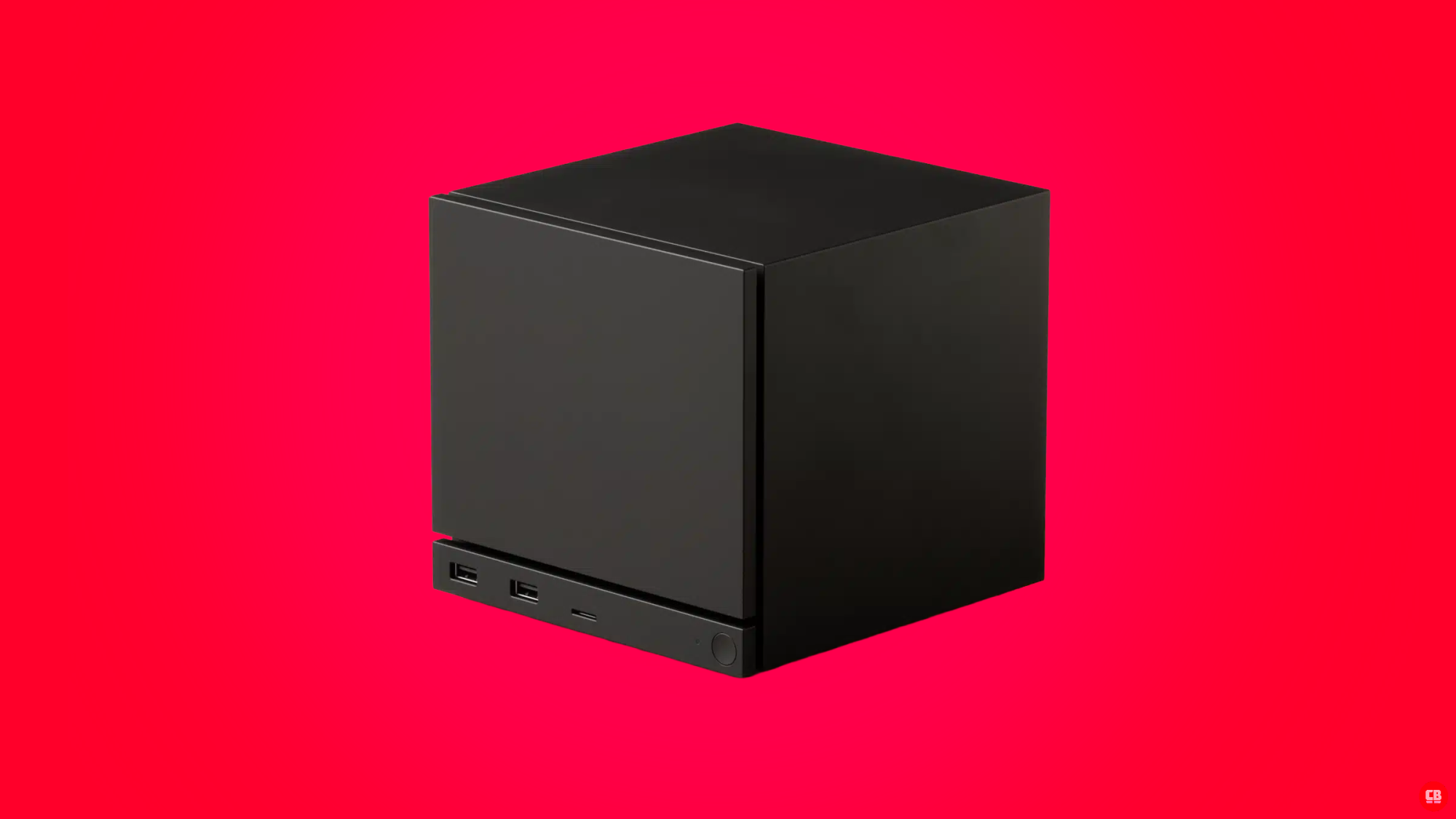
A leaked price for Valve's upcoming Steam Machine has PC gamers bracing for a potential $1,499 starting price point, sparking fears that the long-awaited console-like PC will cost as much as a high-end gaming rig. The leak, reported by ComicBook.com on May 15, 2026, suggests Valve may be positioning the device as a premium product rather than a budget-friendly alternative, threatening the very value proposition that made the Steam Deck a success.
What Happened
PC gamers are "scared" for their wallets after a leaked price point for Valve's upcoming Steam Machine surfaced on Friday, May 15, 2026, suggesting the console-like PC could launch at a staggering $1,499 — more than triple the cost of a base Steam Deck and directly competing with mid-range gaming desktops. The leak, reported by ComicBook.com, has ignited a firestorm of anxiety across gaming forums, where users are questioning whether Valve has abandoned the affordability ethos that defined its handheld success.
Key Facts
- The leaked price of $1,499 for the base Steam Machine model was reported by ComicBook.com on Friday, May 15, 2026.
- The price is three times the cost of the base Steam Deck, which launched at $399 in February 2022.
- Valve has not officially confirmed or denied the leak, leaving the gaming community in a state of uncertainty.
- The Steam Machine is expected to feature custom AMD APU hardware, similar to the Steam Deck but with significantly higher performance targets for 4K gaming and ray tracing.
- The leaked price would place the Steam Machine in direct competition with pre-built gaming PCs from Alienware, Corsair, and ASUS ROG.
- PC Gamer and The Verge have not independently verified the leak, but Reddit's r/pcgaming and Twitter/X are flooded with user reactions expressing fear and disappointment.
- The original Steam Machines from 2015 failed commercially due to high prices and fragmented hardware, a history that now echoes ominously in this leak.
Breaking It Down
The leaked $1,499 price point represents a fundamental shift in Valve's hardware strategy. When the Steam Deck launched at $399 in 2022, it disrupted the handheld gaming market by offering a portable PC experience at a price that undercut both Nintendo Switch OLED ($349) and ASUS ROG Ally ($699). The Steam Machine, by contrast, appears to be targeting a completely different audience — one willing to pay premium prices for a living-room PC experience.
$1,499 is 275% higher than the average PC gamer's budget for a new gaming system, according to a 2025 survey by Jon Peddie Research, suggesting Valve may be pricing itself out of its own core market.
The fear among PC gamers is not just about sticker shock — it's about the erosion of Valve's reputation as a consumer-friendly hardware maker. The Steam Deck succeeded precisely because it offered exceptional value: a handheld that could play AAA games at reasonable settings for less than a mid-range GPU alone. A $1,499 Steam Machine, by contrast, would cost more than a PS5 Pro ($699) and Xbox Series X ($499) combined, while offering no guarantee of the same plug-and-play simplicity.
The timing of the leak is particularly damaging. Valve has been teasing the Steam Machine for over a year, with Gabe Newell himself hinting at a "console-like PC experience" in a 2025 interview. The leaked price suggests that vision may have shifted from "accessible" to "premium" — a move that risks repeating the mistakes of the original Steam Machines in 2015, which failed because they were too expensive and too confusing for mainstream consumers.
What Comes Next
-
Valve's official response: Expect an announcement within the next 7–14 days. Valve has historically addressed leaks quickly, as seen with the Steam Deck OLED price correction in November 2023. The company may either confirm the leak as accurate, dismiss it as speculation, or — most likely — provide a revised pricing structure that includes a lower-tier model.
-
Pre-order window: If the leak is accurate, pre-orders could open as early as June 2026, with a target launch of Holiday 2026. Valve typically opens pre-orders 4–6 months before release, aligning with the Steam Deck's timeline.
-
Competitor reactions: Microsoft and Sony will likely respond with price adjustments or bundle offers for their respective consoles. ASUS, Lenovo, and MSI — all of whom have released Windows-based handhelds — may accelerate their own living-room PC plans.
-
Community backlash: A coordinated Reddit campaign or Steam review bombing of Valve's other products is possible within the next 3–4 weeks if the price is confirmed. The Steam Deck community is particularly vocal and organized.
The Bigger Picture
This leak sits at the intersection of two major trends: Console-PC Convergence and Premiumization of Gaming Hardware. Microsoft has been aggressively pushing its "Xbox Everywhere" strategy, while Sony has brought more PC ports to Steam. Valve's Steam Machine was supposed to be the ultimate expression of this convergence — a PC that feels like a console. A $1,499 price tag, however, undermines that vision by making the device inaccessible to the very audience it was meant to serve.
The second trend is Premiumization, where hardware makers increasingly chase high-margin, high-performance products rather than mass-market affordability. NVIDIA's RTX 5090 at $1,999, Apple's Vision Pro at $3,499, and now Valve's Steam Machine at $1,499 all point to an industry prioritizing profit per unit over volume. For PC gamers, this trend is particularly alarming because it threatens the "PC gaming is cheaper than console" narrative that has driven adoption for decades.
Key Takeaways
- [Leaked Price]: The Steam Machine may launch at $1,499, more than three times the Steam Deck's base price.
- [Gamer Backlash]: PC gamers are expressing fear and disappointment, with the price seen as a betrayal of Valve's affordability ethos.
- [Historical Echo]: The leak recalls the failed 2015 Steam Machines, which also suffered from high prices and market confusion.
- [Industry Trend]: The price aligns with a broader premiumization trend in gaming hardware, threatening the value proposition of PC gaming.