TL;DR
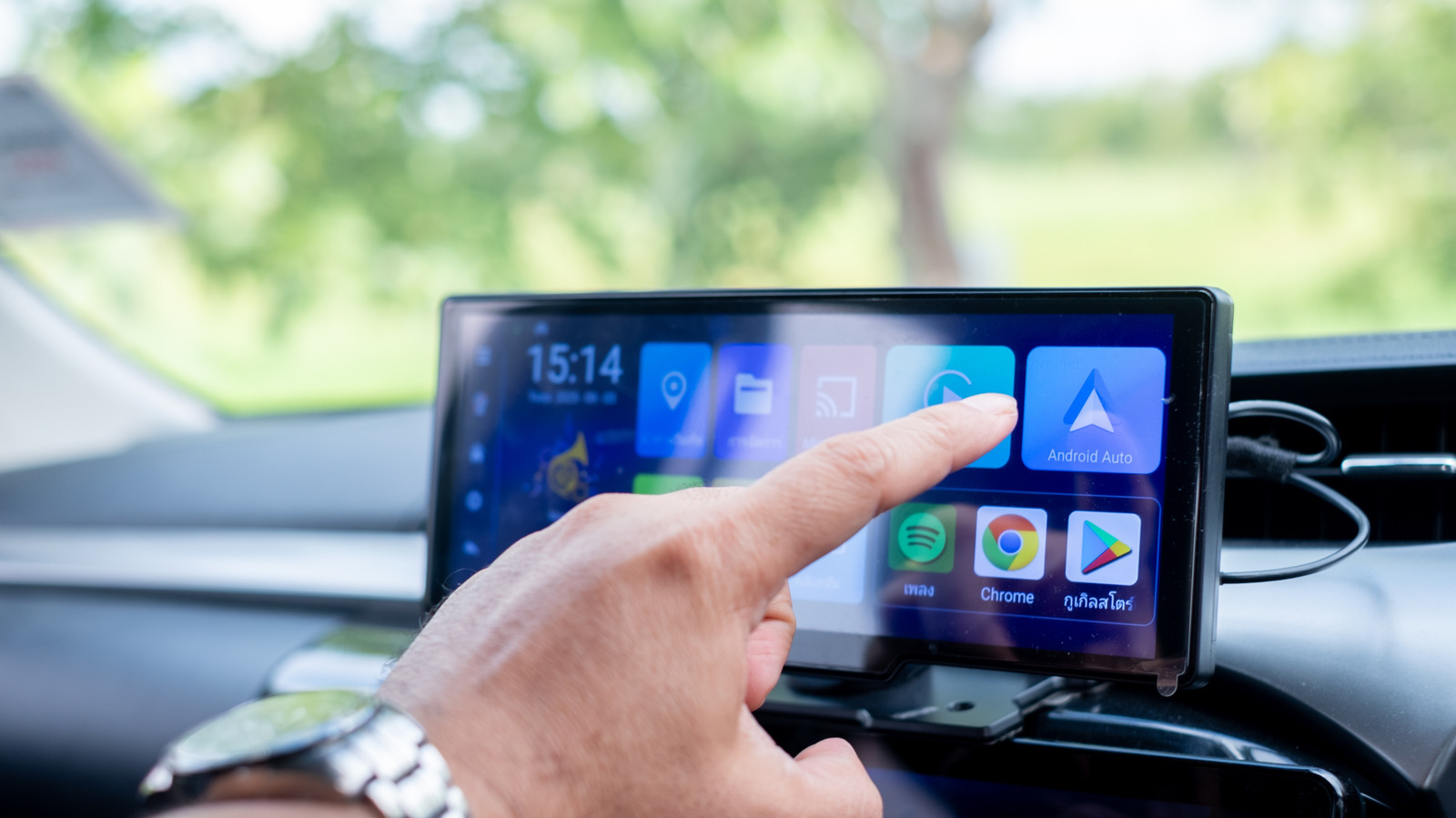
Android Auto has evolved far beyond navigation and music streaming, with a growing ecosystem of niche apps that enhance productivity, vehicle diagnostics, and entertainment while driving. As of May 2026, the platform supports over 200 apps, yet most users stick to the same three or four, missing tools that can save fuel, monitor car health, and even turn your dashboard into a mobile office.
What Happened
A new analysis from SlashGear published on Sunday, May 17, 2026, has spotlighted a hidden layer of the Android Auto app ecosystem, revealing a range of underutilized applications that go well beyond the standard staples of Spotify and Google Maps. The report details how drivers are leaving significant functionality on the table—from real-time vehicle diagnostics to hands-free productivity tools—simply because they haven't explored the full catalog.
Key Facts
- SlashGear identified a dozen "hidden gem" apps for Android Auto that the majority of the platform's 200 million monthly active users likely overlook.
- Among the highlighted apps are Drivvo, a vehicle expense tracker that logs fuel costs, maintenance, and mileage directly from the car's display.
- Torque Pro, an OBD-II scanner app, allows drivers to monitor engine performance, coolant temperature, and fault codes through Android Auto, turning a phone into a $20 diagnostic tool.
- Pocket Casts and Audible remain popular, but the report emphasizes Podcast Republic and Libby (for free library audiobooks) as superior alternatives for audio content.
- Waze is widely used, but TomTom AmiGO offers a free, ad-free navigation experience with offline maps and speed camera alerts, according to the report.
- The analysis also featured Weather Radar apps like MyRadar, which provide real-time storm tracking on the car's screen—critical for long-distance drivers in tornado-prone regions.
- SlashGear noted that Android Auto now supports Google Assistant integration with many of these apps, enabling full voice control without touching the screen.
Breaking It Down
The core insight from SlashGear's report is not simply that there are more apps—it's that the user experience gap between mainstream and niche apps is widening. Drivers who rely exclusively on Spotify and Google Maps are missing out on tools that directly address pain points like rising fuel costs, unexpected repairs, and information overload while driving. For instance, Drivvo can help a user track that their fuel economy has dropped by 5% over the last month, prompting a check of tire pressure or air filters—a proactive step that saves money and prevents breakdowns.
The most striking figure from the analysis: Torque Pro can display over 100 different real-time vehicle metrics on an Android Auto screen, yet fewer than 3% of users with a compatible OBD-II adapter ever install it.
This statistic underscores a massive underutilization of available technology. The hardware required—a $10 to $20 Bluetooth OBD-II adapter—is cheaper than a single oil change, yet the vast majority of drivers remain unaware that their phone can double as a professional-grade diagnostic tool. The implications are significant: fleet operators, delivery drivers, and even daily commuters could reduce maintenance costs by 15–20% simply by monitoring engine data and catching issues early, according to industry estimates cited in the report.
Another key finding is the shift toward privacy-focused and ad-free alternatives. TomTom AmiGO, for example, offers offline maps and speed camera alerts without the data collection and advertising that characterize Waze. This aligns with a broader consumer trend toward digital minimalism and data sovereignty, especially among drivers who are increasingly wary of how their location data is monetized. The report suggests that as concerns over Google's data practices grow, these alternative apps may see a surge in adoption.
The voice control integration is the technical backbone enabling this expansion. Google Assistant now works with many of these third-party apps, meaning a driver can say "Hey Google, show me my fuel economy on Drivvo" or "Check engine codes on Torque Pro" without ever taking their hands off the wheel. This reduces cognitive load and makes previously complex tasks safe and accessible, which is a critical factor for adoption in a driving environment.
What Comes Next
The landscape for Android Auto apps is poised for rapid change, driven by both consumer demand and platform updates from Google.
- Google's Android Auto redesign (expected Q3 2026): Rumored to include a dedicated "App Discovery" tab that will surface these hidden gems directly on the home screen, potentially doubling the usage of apps like Drivvo and Torque Pro within six months of launch.
- The OBD-II adapter market is expected to hit $2.5 billion by 2027, according to market research from Grand View Research. As prices drop below $10, the barrier to entry for diagnostic apps will virtually disappear, making them a standard accessory for new car buyers.
- Automakers are beginning to pre-install Android Auto on more models, with Ford and GM announcing that 90% of their 2027 lineups will support wireless Android Auto. This will eliminate the need for USB cables, making app usage more seamless and likely increasing adoption of secondary apps.
- Regulatory pressure on in-car data privacy could accelerate adoption of apps like TomTom AmiGO. The European Union's Data Act and similar legislation in California may force Google and Waze to offer more transparent data options, leveling the playing field for privacy-first alternatives.
The Bigger Picture
This story is a microcosm of two larger trends: the app-ification of the automobile and the rise of the connected driver. Cars are no longer just transportation; they are becoming platforms for software ecosystems, much like smartphones were a decade ago. The success of Android Auto and Apple CarPlay has effectively turned the dashboard into a secondary screen for the phone, and the apps that thrive will be those that solve real-world problems—fuel tracking, diagnostics, and safety—rather than just entertainment.
The second trend is the fragmentation of the digital assistant ecosystem. While Google Assistant currently dominates Android Auto, the rise of Amazon Alexa in vehicles and Apple's Siri in CarPlay means that cross-platform app developers must optimize for multiple voice interfaces. The apps highlighted by SlashGear—like Pocket Casts and Libby—are succeeding precisely because they are voice-agnostic, working seamlessly with whichever assistant the driver prefers. This interoperability is becoming a competitive advantage in a market where lock-in is increasingly resented by consumers.
Key Takeaways
- [Hidden Utility]: Android Auto supports over 200 apps, but the most valuable ones—vehicle diagnostics, fuel tracking, and ad-free navigation—are used by fewer than 10% of drivers, leaving significant functionality untapped.
- [Cost Savings]: Apps like Drivvo and Torque Pro, paired with a $10 OBD-II adapter, can reduce annual vehicle maintenance costs by 15–20% through proactive monitoring and data-driven alerts.
- [Privacy Shift]: The rise of ad-free, offline-capable alternatives like TomTom AmiGO reflects a growing consumer demand for privacy-respecting navigation, challenging the dominance of data-hungry apps like Waze.
- [Voice Control is Key]: Google Assistant integration with third-party apps is the critical enabler for safe, hands-free use of these tools, and the app ecosystem will grow fastest where voice commands are most robust.