TL;DR
Xbox chief Asha Sharma has reaffirmed that exclusive content remains "central to defining the Xbox platform," even as Microsoft expands its gaming ecosystem to more devices and services. This signals that the company will continue investing in first-party exclusives despite its multi-device strategy, a critical move as competition intensifies with Sony and Nintendo.
What Happened
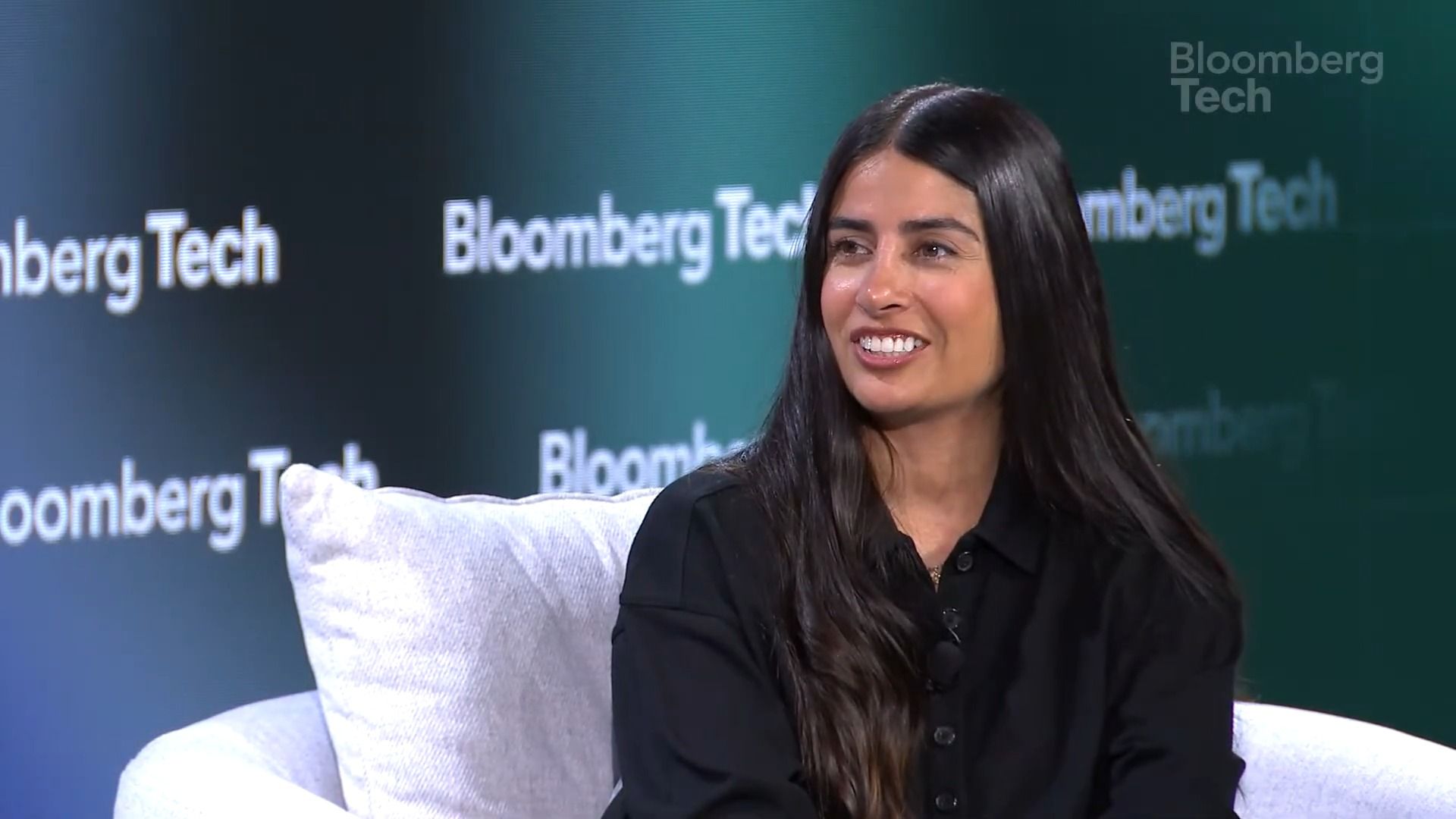
Asha Sharma, the head of Xbox, declared on Friday, June 5, 2026, that "you must have exclusive content" to define a gaming platform, doubling down on exclusives even as Xbox expands to more devices and services. Speaking to Windows Central, Sharma argued that exclusives remain the cornerstone of Xbox's identity, directly countering speculation that Microsoft's push into cloud gaming and cross-platform releases would diminish the importance of platform-locked titles. The statement comes as Xbox faces mounting pressure from Sony's PlayStation and Nintendo, both of which rely heavily on exclusive franchises to drive hardware sales.
Key Facts
- Asha Sharma, Xbox chief, stated on June 5, 2026, that "you must have exclusive content" to define the platform, per Windows Central.
- The declaration reaffirms Xbox's commitment to first-party exclusives even as it expands to more devices and services, including cloud gaming and PC.
- Sharma's comments directly address speculation that Microsoft's multi-device strategy would reduce the importance of platform-locked games.
- The statement comes as Sony's PlayStation reported 30 million PS5 units sold in fiscal 2025, driven by exclusives like The Last of Us Part III and Marvel's Spider-Man 3.
- Nintendo sold 18 million Switch 2 units in its first year, leveraging exclusives like The Legend of Zelda: Breath of the Wild 2 and Super Mario Odyssey 2.
- Microsoft's Xbox Series X|S has sold an estimated 65 million units cumulatively as of Q1 2026, trailing behind PlayStation's 85 million PS5 sales.
- The company's Game Pass subscription service reached 45 million subscribers in May 2026, up from 34 million in 2024.
Breaking It Down
Sharma's declaration is a strategic pivot from the narrative Microsoft has carefully cultivated over the past two years. Since 2024, Xbox has aggressively pushed its "Xbox Everywhere" initiative, bringing first-party titles like Starfield and Forza Motorsport to PlayStation and Nintendo platforms, and expanding cloud gaming to smart TVs and mobile devices. Many analysts interpreted this as a move toward a platform-agnostic future where exclusives would become irrelevant. Sharma's comments shatter that assumption, making clear that exclusives remain a non-negotiable pillar of Xbox's identity.
"You must have exclusive content" — Asha Sharma's three-word thesis encapsulates a fundamental truth: in a market where PlayStation and Nintendo wield iconic franchises, Xbox cannot afford to abandon exclusivity entirely. The stakes are clear: Sony's The Last of Us Part III sold 12 million copies in its first month, while Nintendo's The Legend of Zelda: Breath of the Wild 2 moved 15 million units in its first quarter. These numbers dwarf the performance of most multi-platform releases, proving that exclusives remain the most powerful driver of hardware sales and ecosystem loyalty.
The tension in Sharma's strategy lies in balancing exclusivity with expansion. Microsoft has invested heavily in acquiring studios — Bethesda for $7.5 billion in 2021 and Activision Blizzard for $68.7 billion in 2023 — giving it a deep bench of franchises. Yet the company has simultaneously released some of these titles on rival platforms. Starfield, once touted as a flagship Xbox exclusive, launched on PlayStation 5 in 2024. Call of Duty remains multi-platform per regulatory commitments. Sharma's statement suggests that future first-party titles will be more tightly controlled, with key franchises reserved for Xbox and Game Pass to drive subscription growth.
The timing is crucial. Game Pass hit 45 million subscribers in May 2026, but growth has slowed from the 34% year-over-year rate seen in 2024 to roughly 15% in 2026. Exclusives are the primary lever to accelerate that growth. If Xbox can deliver a Halo or Gears of War title that is genuinely exclusive — not available on PlayStation or Nintendo — it could convert casual gamers into Game Pass subscribers, especially as the service faces saturation in mature markets like North America and Europe.
What Comes Next
Sharma's commitment to exclusives will manifest in concrete product decisions over the next 12 to 18 months. Here are key developments to watch:
- Xbox Games Showcase 2026 (June 2026): The annual showcase, expected later this month, will be the first test of Sharma's strategy. Look for announcements of major first-party exclusives that will not launch on PlayStation or Nintendo, potentially including a new Halo Infinite expansion or a Perfect Dark reboot.
- Activision Blizzard exclusivity decisions: Microsoft's regulatory commitments for Call of Duty expire in 2027. Watch for whether the company announces that future Call of Duty titles will become Xbox and PC exclusives, a move that would dramatically shift the competitive landscape.
- Game Pass price adjustments: With exclusives as a premium draw, Microsoft may raise Game Pass prices in late 2026 or early 2027, potentially introducing a new "Ultimate" tier that includes exclusive early access to first-party titles.
- Cloud gaming expansion to new devices: Sharma's multi-device strategy continues, with Xbox Cloud Gaming expected to launch on Apple Vision Pro and Meta Quest 4 by Q4 2026, but exclusives will remain locked to Xbox and Game Pass subscriptions on those platforms.
The Bigger Picture
This story sits at the intersection of two broader trends: the platform-agnostic push and the exclusivity arms race. The platform-agnostic trend, led by cloud gaming and subscription services, suggests that hardware exclusivity is dying as games become accessible anywhere. Yet Sony and Nintendo's record-breaking hardware sales — and now Sharma's statement — prove that exclusives remain the most effective tool for locking consumers into an ecosystem. The tension between these forces will define the next console generation.
The consolidation wave also looms large. Microsoft's acquisitions of Bethesda and Activision Blizzard gave it the IP portfolio to compete on exclusives, but regulators in the US, EU, and UK imposed strict conditions to prevent anti-competitive behavior. As those conditions expire, Xbox's ability to withhold major franchises from rivals will be a critical test of both market power and regulatory oversight. Sharma's comments signal that Microsoft intends to leverage its acquisitions aggressively, potentially sparking new antitrust scrutiny.
Key Takeaways
- [Exclusives Remain Central]: Xbox chief Asha Sharma explicitly stated that exclusive content is essential to defining the platform, countering speculation that Microsoft's multi-device strategy would reduce exclusivity.
- [Competitive Pressure]: Sony and Nintendo continue to dominate hardware sales with exclusive franchises, forcing Xbox to invest in platform-locked titles despite its cloud and cross-platform ambitions.
- [Game Pass Growth Driver]: With 45 million subscribers and slowing growth, exclusives are the primary lever to accelerate Game Pass adoption, especially in mature markets.
- [Regulatory Watch]: As Activision Blizzard commitments expire in 2027, Microsoft's ability to make Call of Duty exclusive will be a major test of market power and antitrust enforcement.