TL;DR
Apple quietly released tvOS 27 during its WWDC 2026 keynote on Monday, June 8, 2026, introducing a handful of new features for the Apple TV. The update matters because it signals Apple's continued, albeit low-key, investment in the living room hub, even as competitors like Roku and Amazon dominate the streaming device market.
What Happened
Apple dedicated minimal stage time to tvOS 27 during its WWDC 2026 keynote, but the update is real and brings tangible changes to the Apple TV platform. The company's cursory treatment of the operating system underscores a broader strategy: Apple TV remains a niche product for the company's ecosystem, not a mass-market streaming device.
Key Facts
- tvOS 27 was announced on Monday, June 8, 2026, at Apple's WWDC 2026 keynote.
- The update introduces new features for the Apple TV, though Apple did not detail them extensively on stage.
- MacRumors reported that Apple "barely touched on" tvOS 27 during the keynote, suggesting a low priority for the platform.
- The Apple TV competes with Roku, Amazon Fire TV, and Google TV, which collectively hold over 80% of the streaming device market.
- tvOS 27 is expected to be released to the public in September 2026, alongside iOS 27, iPadOS 27, and macOS 27.
- The update follows tvOS 26, which launched in September 2025 with minor interface tweaks and performance improvements.
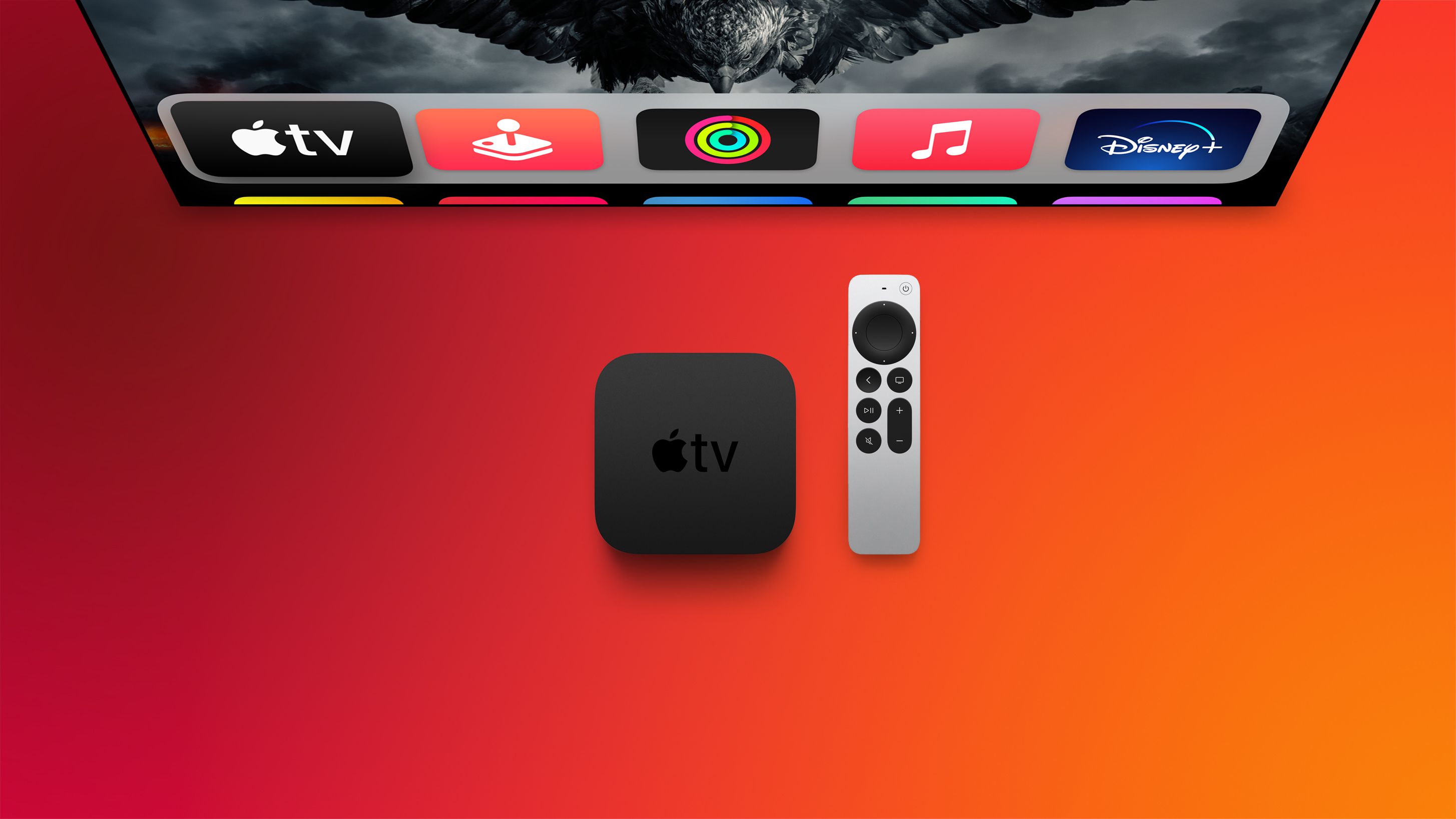
- Apple TV 4K (3rd generation), released in 2022, remains the current hardware model, now nearly four years old.
Breaking It Down
Apple's decision to gloss over tvOS 27 during its flagship developer conference is a revealing strategic signal. The company devoted the bulk of its WWDC 2026 keynote to visionOS, iOS 27, and AI-powered features for the iPhone and Mac. The Apple TV received only a fleeting mention, if that, in a pre-recorded segment. This pattern has held for years: tvOS updates are routinely the least-discussed item at Apple's keynotes.
tvOS updates have received less than 2 minutes of stage time at WWDC keynotes since 2022, while iOS and visionOS each get 20–30 minutes.
This disparity reflects market reality. The Apple TV is a premium device starting at $129, compared to Roku streaming sticks at $29 and Amazon Fire TV sticks at $39. Apple's installed base of Apple TV units is estimated at 50 million globally, versus Roku's 80 million active accounts in the U.S. alone. Apple is not trying to win the streaming device volume war; it is maintaining a high-end living room accessory for its most loyal customers.
The new features in tvOS 27, while not fully detailed, likely continue Apple's focus on integration with the Apple ecosystem rather than standalone innovation. Expect deeper HomeKit controls, tighter iPhone continuity features, and possibly enhanced FaceTime on the big screen. These are features that matter to someone who already owns an iPhone, iPad, and Mac—not to a cord-cutter shopping for a cheap streaming box.
What Comes Next
The real test for Apple TV is not software features but hardware. The Apple TV 4K (3rd generation) is now approaching its fourth birthday, an eternity in consumer electronics. A hardware refresh is overdue.
- Public beta of tvOS 27 is expected in July 2026, giving developers and early adopters their first hands-on look at the new features.
- Final release of tvOS 27 is scheduled for September 2026, likely alongside the launch of the iPhone 18 series.
- A new Apple TV 4K hardware model could be announced at a September or October 2026 Apple event, potentially with an A18 or M-series chip to support more advanced gaming and AI features.
- Apple's rumored smart home display—a device that could merge Apple TV functionality with a screen—may be unveiled in 2027, potentially rendering the standalone Apple TV box less relevant.
The Bigger Picture
This story connects to two broader trends in technology. First, The "Hub" Strategy: Apple is slowly repositioning the Apple TV from a streaming box to a smart home hub. With tvOS 27 likely adding more HomeKit and Matter support, Apple is betting that the living room TV can serve as the central control point for lights, locks, and sensors. This mirrors Amazon's Echo Show and Google Nest Hub strategies, but Apple is betting on the TV screen rather than a dedicated smart display.
Second, The Post-Cable Living Room: The streaming device market has matured. Growth has slowed from 15% annually in 2020 to under 5% in 2025, per Parks Associates. Apple is not chasing growth; it is protecting its existing high-value installed base. The Apple TV remains the only streaming box that offers Apple Arcade, Fitness+, and seamless AirPlay from Apple devices. For Apple, that is enough.
Key Takeaways
- [Low Priority Signal]: Apple's minimal stage time for tvOS 27 confirms the Apple TV is a secondary product, not a strategic priority, receiving less than 2 minutes of keynote coverage.
- [Ecosystem Lock-In]: The new features in tvOS 27 will likely deepen integration with iPhone, HomeKit, and Apple services, rewarding existing Apple users rather than attracting new ones.
- [Hardware Stagnation]: The Apple TV 4K (3rd gen) is now nearly four years old, making a hardware refresh in late 2026 or 2027 highly probable.
- [Smart Home Ambitions]: tvOS 27's smart home enhancements position the Apple TV as a living room hub, competing indirectly with Amazon Echo and Google Nest devices.