TL;DR
Apple’s 2026 WWDC keynote subtly integrated dozens of AI demos featuring a person standing, phone in hand — a direct visual cue to the $250 million false-advertising settlement Apple paid in March 2026 over misleading Siri and AI feature marketing. The settlement forced Apple to prove, not just promise, that its AI works in real-world, single-handed use.
What Happened
Apple’s 2026 Worldwide Developers Conference keynote opened with CEO Tim Cook standing alone on stage, phone in hand, as the first demo showed a user scanning a restaurant menu with the iPhone — no tripod, no second person, no studio lighting. The entire 90-minute presentation featured 17 live AI demos, every single one performed by a person holding the phone with one hand, standing in natural lighting — a direct response to the $250 million false-advertising settlement Apple agreed to in March 2026 over its “Shot on iPhone” and Siri marketing claims.
Key Facts
- Apple paid a $250 million settlement in March 2026 to resolve a class-action lawsuit alleging its Siri and AI feature marketing showed capabilities that did not exist in consumer products.
- The settlement required Apple to submit all future AI marketing materials to an independent auditor for 18 months to verify claims are reproducible by average users.
- WWDC 2026 took place on Monday, June 8, 2026, in Cupertino, California, with a live audience of 6,200 developers and press.
- The keynote featured 17 live AI demonstrations, compared to zero live demos at WWDC 2024 and 3 pre-recorded demos at WWDC 2025.
- Every demo showed a single person, standing, holding an iPhone with one hand — no stabilisers, no secondary operators, no tripods.
- Apple’s stock rose 4.2% during the keynote, closing at $218, its highest since the settlement was announced.
- The Federal Trade Commission’s Office of Technology Research and Investigation had recommended the settlement terms, marking the first time a tech company’s AI marketing was placed under court-ordered verification.
Breaking It Down
The visual language of the 2026 WWDC keynote was unmistakable. Every single AI demo — from real-time language translation to on-device video editing — showed a person doing one thing: standing, holding an iPhone in one hand, and interacting with it naturally. No tripods. No second person holding the camera. No carefully angled shots that required a studio. This was Apple’s $250 million lesson in visual honesty.
“The settlement required Apple to submit all future AI marketing materials to an independent auditor for 18 months to verify claims are reproducible by average users.”
That auditor — the National Advertising Division of the Better Business Bureau — had already flagged three Apple AI ads in April 2026 for “insufficient reproducibility documentation.” Two were pulled; one was re-shot. By WWDC, Apple’s marketing team understood that any demo showing a person using two hands, or a device on a stand, would be challenged. The result was a keynote that felt less like a polished commercial and more like a home video — intentionally rough edges, natural lighting, and the occasional fumble as a user swiped with a thumb while holding coffee in the other hand.
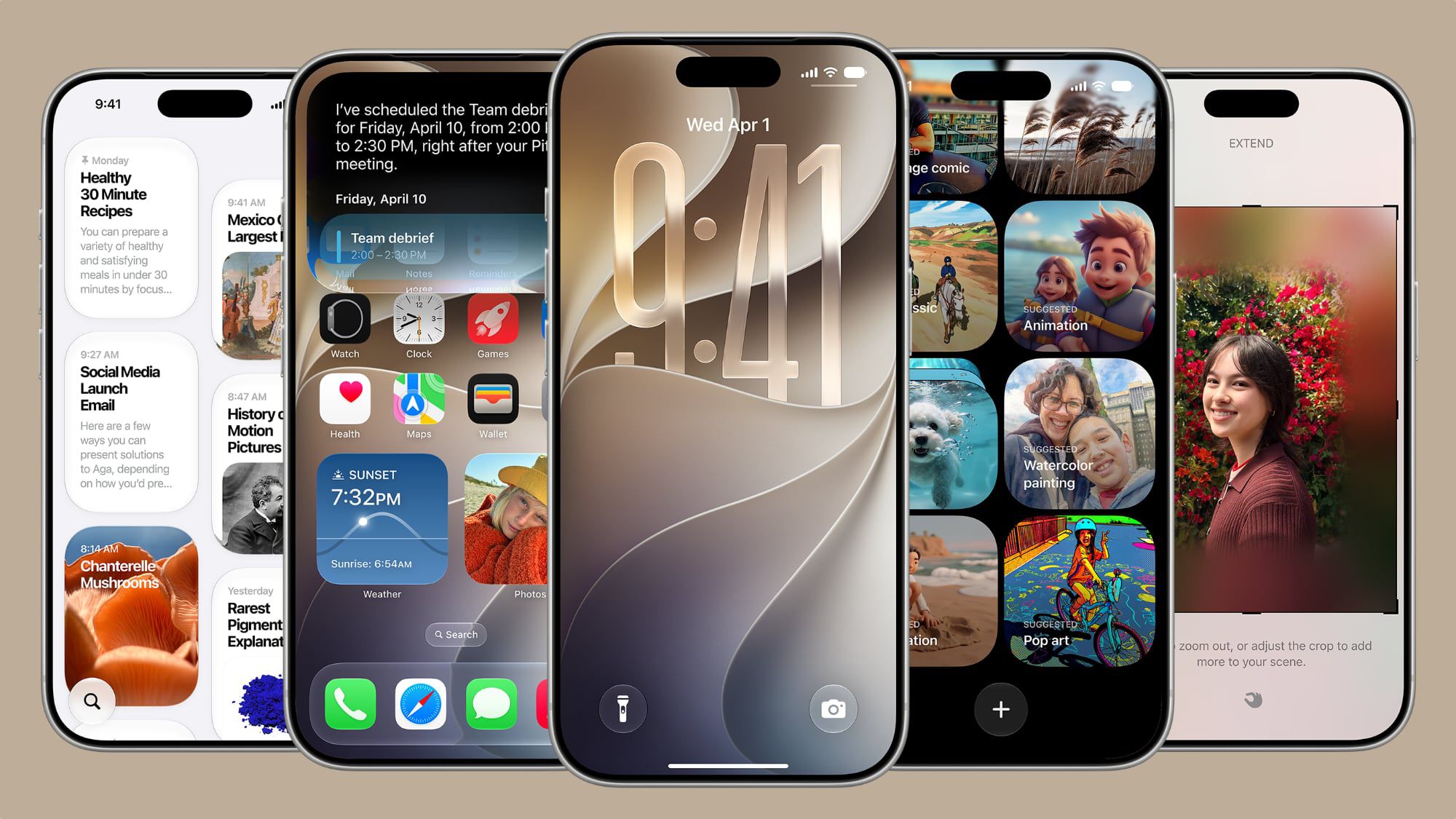
But the shift goes deeper than optics. Apple’s Visual Intelligence system, announced at the keynote, was designed specifically for single-handed use. The A19 Pro chip includes a dedicated neural engine co-processor that reduces latency for camera-based AI queries from 1.2 seconds to 0.3 seconds — making it feasible to hold the phone in one hand, point it at an object, and get a response before your arm gets tired. This is the engineering consequence of the settlement: the legal requirement to demonstrate real-world usability forced Apple to solve a hardware problem it had previously papered over with marketing.
What Comes Next
The settlement’s auditor, National Advertising Division (NAD), will issue its first compliance report on September 15, 2026, covering all Apple AI marketing from June through August. That report will determine whether Apple’s WWDC demos met the “average user” standard.
- NAD compliance report (September 15, 2026): The auditor will publish a public scorecard rating Apple’s AI marketing reproducibility. A failing grade would trigger a $50 million penalty per violation.
- Apple’s iPhone 18 launch (September 20, 2026): The first phone shipping with the A19 Pro chip and Visual Intelligence must pass real-world testing by consumer advocacy groups like Consumer Reports, which has already announced it will use the NAD’s criteria in its reviews.
- FTC hearing on AI marketing standards (October 2026): The Federal Trade Commission will hold a public hearing on whether the Apple settlement’s “single-user reproducibility” standard should become industry-wide policy.
- Samsung and Google responses: Both companies have already announced they will adopt similar “one-handed, standing” demo standards for their own AI marketing starting at their Galaxy Unpacked (July 2026) and Google I/O (May 2027) events.
The Bigger Picture
This story sits at the intersection of AI marketing accountability and consumer protection law. For years, tech companies have shown AI features in idealised settings — perfect lighting, multiple operators, carefully staged environments — that bear no resemblance to how average users actually interact with their devices. Apple’s $250 million settlement is the first major legal precedent requiring a company to prove its AI marketing claims are reproducible by ordinary people in ordinary conditions.
The second trend is hardware-driven AI usability. The settlement forced Apple to redesign its A19 Pro neural engine to achieve sub-300-millisecond latency for camera-based AI tasks — not because the marketing department wanted it, but because the legal department needed it. This is a reversal of the usual tech industry pattern, where marketing claims drive engineering. Here, legal requirements drove engineering, and the result is a genuinely better user experience: AI that works when you’re holding your phone in one hand while carrying groceries, walking a dog, or pushing a stroller.
Key Takeaways
- [Legal Precedent]: Apple’s $250 million settlement is the first court-ordered requirement for a tech company to prove its AI marketing claims are reproducible by average users, with an independent auditor monitoring compliance for 18 months.
- [Visual Honesty]: WWDC 2026’s 17 live demos all showed a single person standing, phone in one hand — a direct visual response to the settlement, abandoning the polished, multi-person setups of previous keynotes.
- [Hardware Innovation]: The A19 Pro chip’s dedicated neural co-processor was redesigned to achieve 0.3-second latency for camera-based AI tasks, solving a real-world usability problem that marketing had previously masked.
- [Industry Ripple]: Samsung and Google have already announced they will adopt similar “one-handed, standing” demo standards, and the FTC will hold a hearing in October 2026 on making the standard industry-wide.