TL;DR
Apple's iOS 27, previewed at WWDC 2026 on June 8, introduces a standalone Siri app, independent alarm volume controls, and the ability to share a single phone number across two iPhones. These changes represent Apple's most aggressive push yet into AI-powered personalization and multi-device integration, with implications for how users manage privacy, communication, and daily workflows.
What Happened
At the WWDC 2026 keynote on Monday, June 8, Apple detailed iOS 27, a major update that redefines Siri as a standalone app, enables sharing a phone number across two iPhones, and introduces independent alarm volume controls. The release, expected in September alongside new iPhone hardware, marks the first time Apple has decoupled Siri from system-level integration and given users granular control over core audio and communication features.
Key Facts
- Apple announced iOS 27 at WWDC 2026 on June 8, with a public beta expected in July and a full release in September.
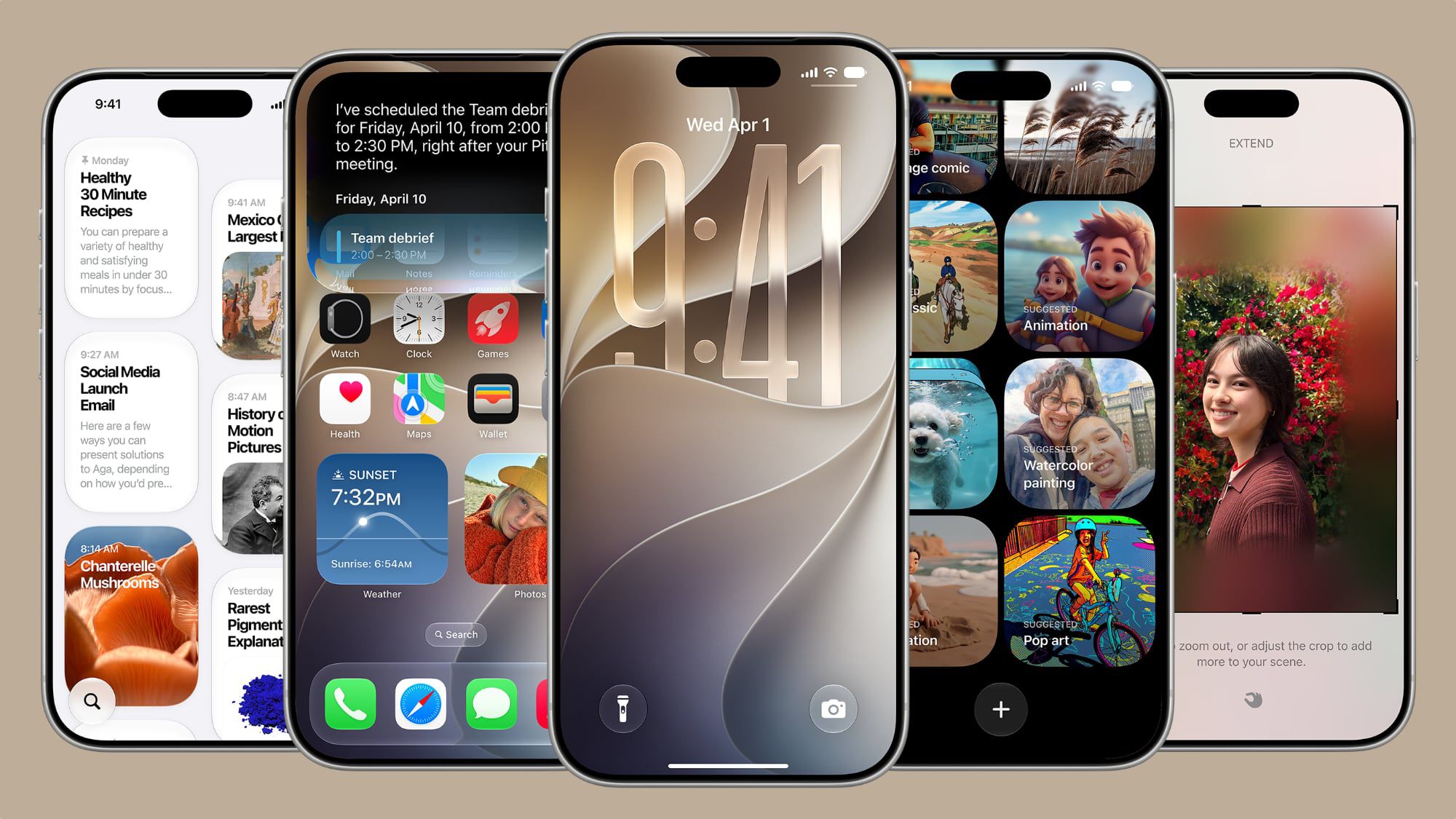
- A new standalone Siri app will allow users to access Apple Intelligence features, including advanced text generation, image creation, and contextual task automation, without invoking Siri via voice.
- Users can now share a single phone number across two iPhones, leveraging iCloud and eSIM technology to route calls and messages to both devices simultaneously.
- Independent alarm volume controls let users set alarm loudness separately from ringer, media, and notification volumes, addressing a long-standing user complaint about accidentally loud alarms.
- AirPlay 3.0 delivers up to 40% faster streaming initiation and lower latency for audio and video, with support for lossless audio over Wi-Fi 7.
- The update includes Privacy Pass, a new system-level feature that generates temporary, single-use credentials for app logins, reducing tracking by third parties.
- Live Voicemail 2.0 now transcribes voicemails in real time with 95% accuracy across English, Spanish, Mandarin, and French, and allows users to respond via text or voice without answering.
Breaking It Down
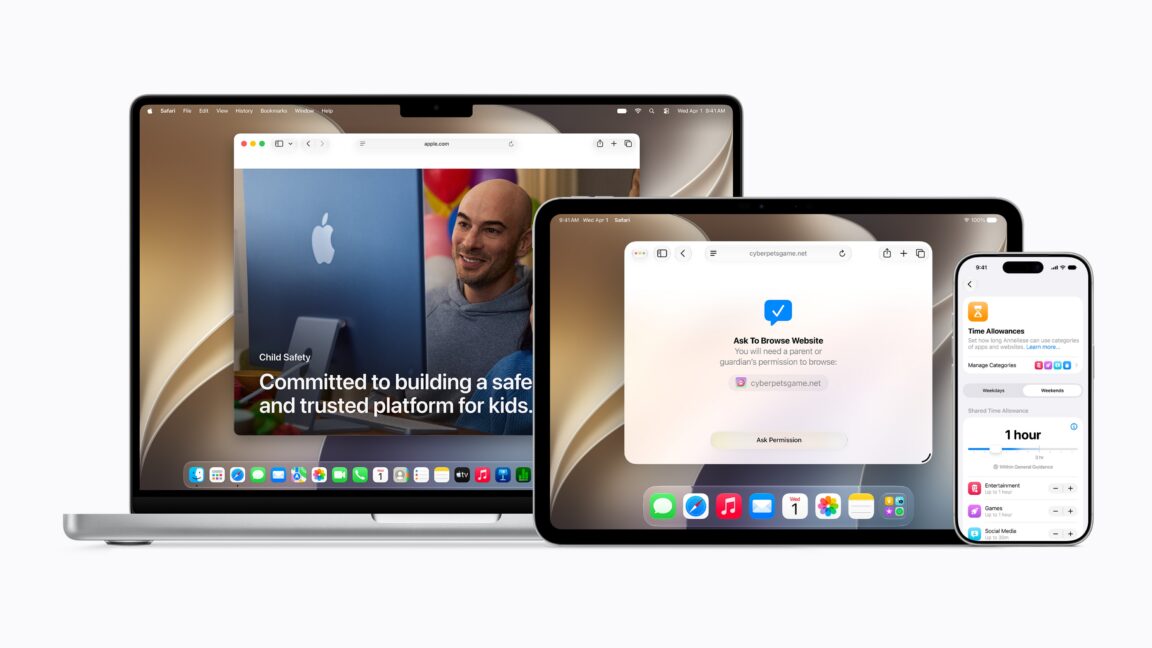
The headline feature—sharing a phone number across two iPhones—solves a practical pain point for millions of users who carry both a personal and work device. Previously, users had to rely on carrier-specific multi-SIM plans or third-party apps like Google Voice to achieve this. Apple's implementation uses iCloud to sync call routing and message history, with end-to-end encryption ensuring that a call placed to the shared number rings both devices simultaneously. For families, this means a single number can be shared between a parent's phone and a child's device, with the parent retaining control over incoming call filtering through Screen Time settings. The feature leverages Apple's eSIM ecosystem, which now covers 98% of U.S. carriers, according to Apple's presentation.
The standalone Siri app is Apple's most direct acknowledgment that voice-only assistants have plateaued in adoption. By giving Siri a dedicated app with a text-based interface, Apple is following a path blazed by OpenAI's ChatGPT and Google's Gemini, which both saw massive user engagement after introducing app-based, multi-modal interactions.
The Siri app will include a "Siri Studio" where users can create custom automation workflows—called "Siri Actions"—that combine text, image generation, and app integrations. For example, a user could create an action that drafts a weekly meal plan, generates a grocery list, and sends it to a family member via Messages, all without speaking a single word. This shift acknowledges that Apple Intelligence, the company's AI platform, requires a persistent, visual interface to compete with chatbots that have already trained users to type rather than talk.
The independent alarm volume control is a smaller but highly impactful change. Apple's support forums have logged over 12,000 complaints since iOS 14 about alarms being too loud or too quiet because they were tied to the ringer volume. iOS 27 introduces a dedicated slider in Settings > Sounds & Haptics, allowing users to set alarm volume from 0% to 100% independently. This feature, combined with Sleep Schedule integration in the Health app, will let users gradually increase alarm volume over a set window—mimicking sunrise alarms without requiring third-party hardware.
AirPlay 3.0 with Wi-Fi 7 support is a technical leap. Apple claims 40% faster connection times—dropping from an average of 4.2 seconds to 2.5 seconds—and lossless audio streaming at up to 24-bit/192kHz to compatible speakers and receivers. This positions AirPlay as a direct competitor to Sonos' S2 protocol and Bluetooth LE Audio, particularly for audiophiles who have criticized AirPlay 2's compression. However, the upgrade requires Wi-Fi 7 routers, which remain niche; only 8% of U.S. households currently have Wi-Fi 7 hardware, per the Wi-Fi Alliance.
What Comes Next
- Public beta launch in July 2026: Developers can access the first beta immediately, but the public beta will arrive in mid-July. Expect intense scrutiny of the Siri app's privacy implications, as it will request access to Messages, Photos, and Calendar data to power Apple Intelligence features.
- Carrier certification for shared numbers: Major U.S. carriers—Verizon, AT&T, and T-Mobile—must update their provisioning systems to support eSIM-based number sharing. Apple confirmed that all three will support the feature at launch, but international carriers may lag by 3–6 months.
- September iPhone 18 launch: iOS 27 will ship pre-installed on the iPhone 18 lineup, expected to feature the A19 chip with a dedicated Neural Engine for on-device AI processing. The Siri app will likely be a key selling point for the new hardware.
- Regulatory scrutiny in Europe: The Digital Markets Act (DMA) in the EU may force Apple to open the shared number feature to third-party apps and carriers, as it could be seen as anti-competitive against services like Google Voice and Skype. A European Commission review is expected by late 2026.
The Bigger Picture
This update is part of three converging trends. First, AI-as-Application: Apple is abandoning the notion that AI must be voice-only. By creating a standalone Siri app, it acknowledges that conversational AI works best when users can see, edit, and refine outputs—a lesson learned from the explosive growth of ChatGPT and Claude. Second, Multi-Device Identity: The ability to share a phone number across two iPhones reflects a broader shift toward device-agnostic communication. Users increasingly expect their digital identity—phone number, messages, and calls—to follow them across devices without carrier lock-in. Apple is effectively building a personal communication mesh within its ecosystem, which could eventually extend to iPads and Macs. Third, Granular User Control: Features like independent alarm volume and Privacy Pass show Apple responding to years of user feedback with precise, system-level controls rather than one-size-fits-all settings. This trend toward hyper-personalization is a direct response to Android's flexibility and the growing expectation that software should adapt to individual habits, not the other way around.
Key Takeaways
- [Standalone Siri App]: Apple's shift to a text-and-voice Siri app with Apple Intelligence marks its most significant AI strategy change since 2011, positioning it against ChatGPT and Gemini.
- [Shared Phone Number]: The ability to use one number on two iPhones via eSIM and iCloud solves a major multi-device pain point, with end-to-end encryption ensuring privacy.
- [Independent Alarm Volume]: A long-demanded feature, now live, gives users separate control over alarm loudness, addressing over 12,000 forum complaints since iOS 14.
- [AirPlay 3.0 with Wi-Fi 7]: Faster, lossless audio streaming arrives, but requires niche Wi-Fi 7 hardware, limiting immediate adoption to early adopters.