TL;DR
Apple’s iOS 27 software update, released Monday, contains explicit code-level references to a foldable iPhone, including display management APIs, hinge-state sensors, and a new “FoldableDisplay” framework. This is the strongest public signal yet that Apple is preparing to ship a foldable device in 2027, after years of internal secrecy and supply chain speculation.
What Happened
Bloomberg reports that Apple’s iOS 27, released on Monday, June 8, 2026, contains dozens of code references to folding hardware — including a dedicated “FoldableDisplay” framework, hinge-angle detection APIs, and multitasking layouts designed for a screen that can fold in half. The software clues, discovered by Bloomberg’s Mark Gurman, represent the most detailed public confirmation of Apple’s foldable iPhone ambitions, appearing just as competitors like Samsung, Huawei, and Google have shipped multiple generations of foldable devices.
Key Facts
- Bloomberg identified references to a “FoldableDisplay” framework in iOS 27 that manages screen crease compensation, hinge state, and dual-panel rendering.
- The update includes new multitasking APIs that allow apps to dynamically resize and reposition when the device is folded or unfolded, supporting three simultaneous app windows.
- Code strings reference a “hingeAngle” sensor that reports the device’s fold angle in degrees, enabling features like laptop-mode for video calls and tent-mode for media consumption.
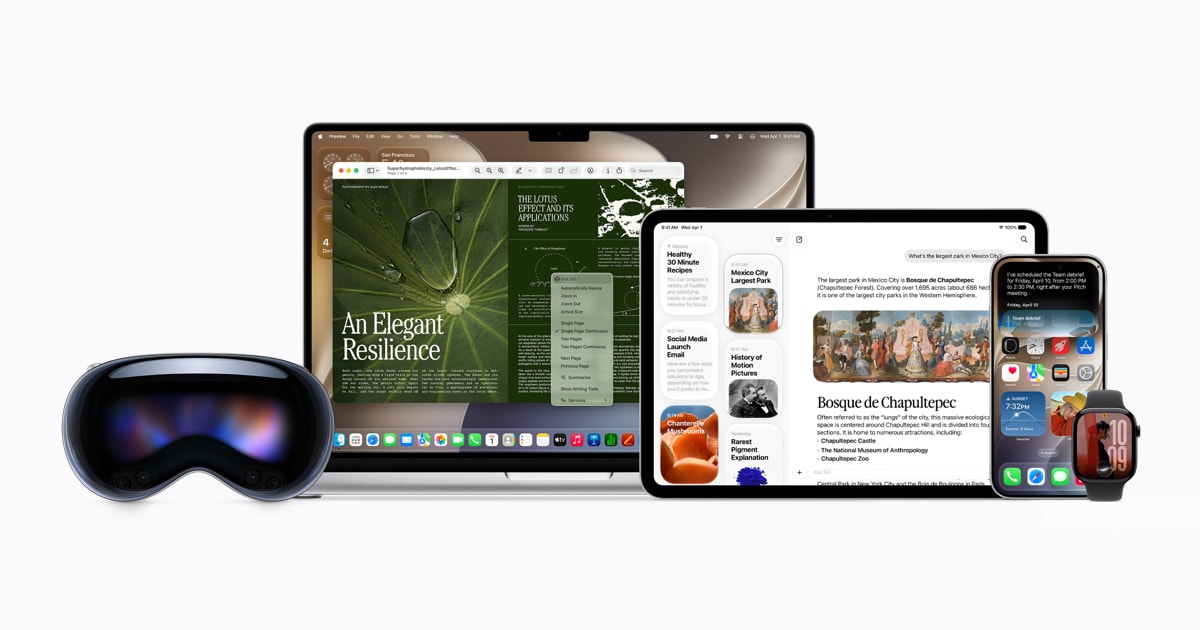
- Apple’s iPadOS 27 and macOS 16 also contain related code, suggesting the foldable display technology may extend to a foldable iPad or Mac hybrid.
- The iOS 27 beta, first seeded in February 2026, contained early hints; the public release on June 8 includes production-ready references.
- Apple has filed over 200 foldable-device patents since 2019, covering hinge mechanisms, flexible batteries, and self-healing display layers.
- Samsung has sold an estimated 25 million foldable phones since 2019, while Apple’s foldable is expected to launch in late 2027 at a price point above $2,000.
Breaking It Down
The most telling detail in iOS 27 is not the hardware references themselves, but the software architecture Apple has built around them. The “FoldableDisplay” framework is not a simple toggle — it is a full display-compositing engine that manages two separate physical panels as a single logical surface. This is fundamentally different from how Samsung’s Galaxy Z Fold series handles its inner and outer screens, which often feel like two distinct devices stitched together. Apple’s approach suggests a unified experience where the OS treats the foldable screen as one continuous canvas, with the hinge as a dynamic boundary rather than a seam.
The iOS 27 code includes a “creaseCompensation” parameter that adjusts pixel brightness and color uniformity across the fold line — a software solution to the physical crease that has plagued every foldable phone on the market. This single code element reveals that Apple is betting its foldable’s success on software polish, not just hardware innovation. Samsung’s Galaxy Z Fold 5 still shows a visible crease after months of use; Apple’s approach uses real-time display calibration to mask the fold line, potentially making the crease invisible to users. Combined with a self-healing polymer display layer (patented in 2024), Apple may solve the two biggest complaints about foldables: the visible crease and screen durability.
The multitasking enhancements in iOS 27 are equally revealing. The new APIs allow three apps to run simultaneously in resizable, overlapping windows — a capability that makes little sense on a standard 6.1-inch iPhone but is essential on a 7.5-to-8-inch foldable display. This is a direct shot at Samsung’s DeX mode and Google’s desktop-mode efforts in Android 16. Apple is positioning its foldable not as a phone that unfolds into a small tablet, but as a pocketable computer that can replace both a phone and a laptop for many users. The inclusion of iPadOS and macOS references in the same code base suggests Apple sees the foldable as a unified platform play, not a one-off device.
What Comes Next
The iOS 27 code is a prelude, not a product announcement. Apple typically seeds software hints 12–18 months before hardware launches. Based on the maturity of the code — production-ready frameworks, not experimental stubs — the foldable iPhone is likely entering final engineering validation now.
- Apple’s September 2026 iPhone event — Watch for a possible “one more thing” teaser. If Apple shows foldable hardware on stage, the launch timeline accelerates to mid-2027.
- Supply chain reports from Foxconn and Pegatron — Production tooling orders for foldable hinges and flexible OLED panels typically leak 6–9 months before mass production. Expect leaks starting in Q1 2027.
- iOS 28 beta in June 2027 — The next major software update will likely include foldable-specific features like a keyboard split mode, floating app windows, and camera optimizations for the unfolded form factor. If these appear, launch is imminent.
- Regulatory filings with the FCC and China’s CCC — Apple must certify the device’s radio and battery components. Expect filings in mid-2027, roughly 3–4 months before a launch.
The Bigger Picture
This story sits at the intersection of three major technology trends. Foldable displays are the most visible hardware evolution in smartphones since the edge-to-edge screen, and Apple’s entry validates the form factor after years of skepticism. Software-driven differentiation is increasingly how Apple competes: the iOS 27 foldable framework shows that Apple’s advantage lies not in being first, but in making the experience seamless. Finally, post-smartphone computing — the idea that a single device can replace a phone, tablet, and laptop — is the long-term bet. Apple’s foldable is not just a bigger iPhone; it is the first step toward a unified device category that could eventually merge the iPhone, iPad, and Mac lines.
Key Takeaways
- [Foldable iPhone confirmed in software]: iOS 27 contains production-ready code for a foldable display framework, hinge-angle sensors, and multitasking features, marking the strongest public signal yet.
- [Launch timeline narrows to late 2027]: The maturity of the code and Apple’s typical 12–18 month lead time point to a launch in the second half of 2027.
- [Software is Apple’s differentiator]: The “FoldableDisplay” framework and crease-compensation algorithms suggest Apple is solving foldable pain points through software, not just hardware.
- [Broader ecosystem play]: References in iPadOS and macOS indicate Apple’s foldable technology may extend beyond the iPhone to a foldable iPad or Mac hybrid, aligning with a unified device strategy.