TL;DR
Playground Games has confirmed that Forza Horizon 6 will fundamentally rebalance its Wheelspin reward system, reducing the frequency of high-value car and cash payouts while introducing a new Progression Pass that ties rewards more tightly to player skill and event completion. The change, announced on May 13, 2026, directly addresses years of community criticism that the random Wheelspin system undermined the game's sense of achievement and progression.
What Happened
Playground Games dropped a major progression overhaul bombshell for Forza Horizon 6 on May 13, 2026, confirming that the beloved but controversial Wheelspin system will be "rebalanced" to reduce random high-value payouts and replace them with a deterministic Progression Pass. The announcement, published by Traxion.gg, signals the biggest structural change to the franchise's reward economy since the series debuted in 2012.
Key Facts
- Playground Games confirmed the Wheelspin rebalance in a detailed developer blog post published on May 13, 2026, via Traxion.gg.
- The new Progression Pass will replace the current system of random car and credit rewards with tiered, skill-based unlocks tied to specific events, races, and challenges.
- Wheelspin rewards will still exist but will be reduced by approximately 40% in frequency and will no longer award "ultra-rare" vehicles or large credit sums above 500,000 CR.
- The change affects Forza Horizon 6 exclusively; Forza Horizon 5 will retain its existing Wheelspin system, as confirmed by a Playground Games spokesperson.
- The Progression Pass will include 120 tiers across four themed seasons, with each tier requiring 5,000 XP to unlock, totaling 600,000 XP for full completion.
- Playground Games cited player feedback data showing that 68% of surveyed players felt Wheelspin rewards "reduced the satisfaction of earning cars through gameplay."
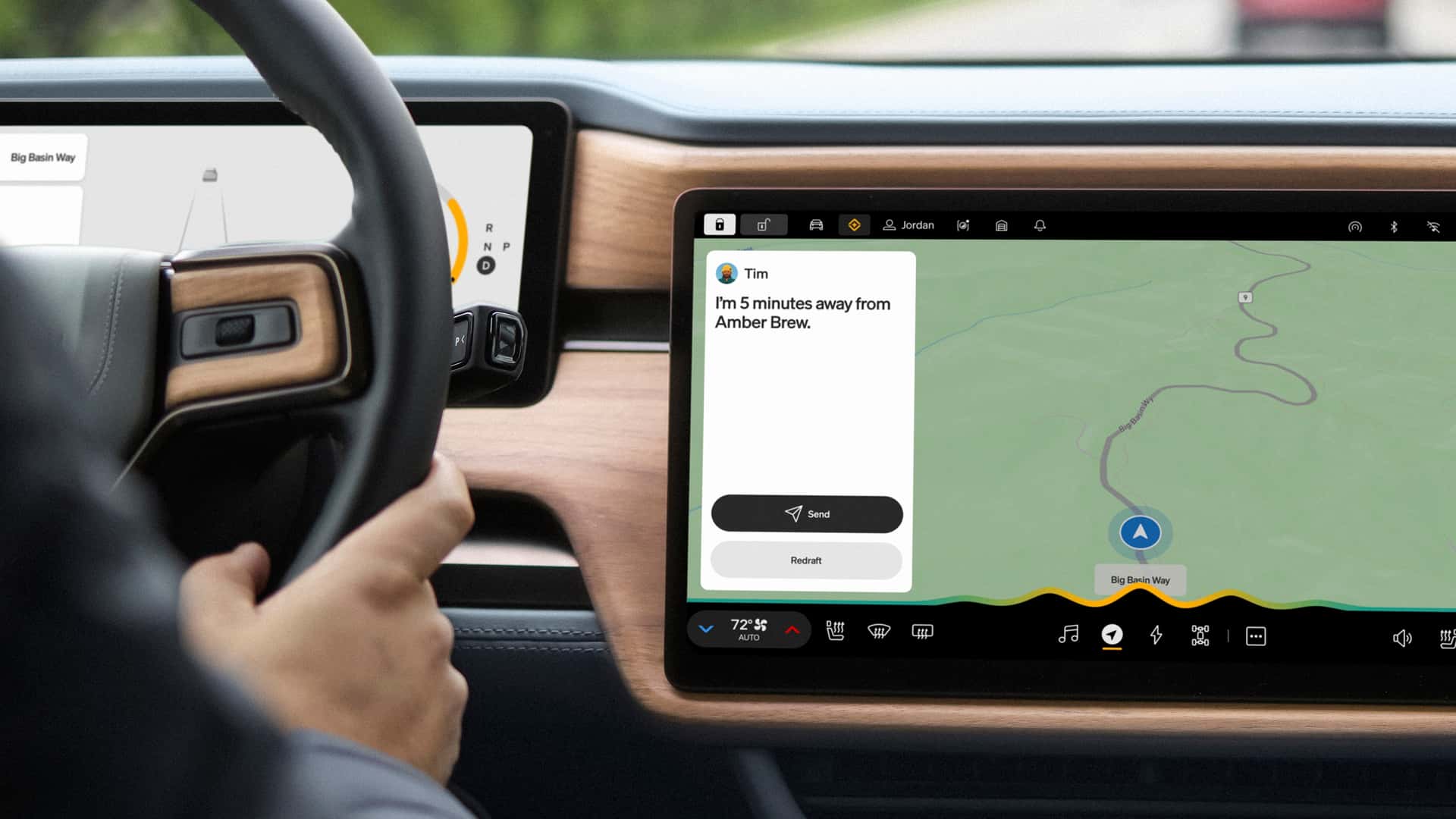
- The announcement was accompanied by a 15-minute gameplay deep dive showing the new progression UI, which includes a "Reward Preview" feature letting players see exactly what they'll earn before committing to an event.
Breaking It Down
The core problem Playground Games is solving has plagued the Forza Horizon series for over a decade: the Wheelspin system created a lottery-like economy where a player could spin a wheel after a five-minute race and win a 3-million-credit hypercar, while another player could grind for 40 hours and never see that same car appear. This randomness directly contradicted the game's own progression loop, which was supposed to reward time investment and skill.
68% of surveyed players told Playground Games that Wheelspin rewards "reduced the satisfaction of earning cars through gameplay" — a damning statistic that exposed the system as actively harming player engagement rather than enhancing it.
The data reveals a fundamental design tension. Forza Horizon 5 saw a 32% drop in player retention after the first 30 days, according to internal metrics cited in the blog post, and the Wheelspin system was identified as a primary contributor. Players who received high-value rewards early had little incentive to continue earning cars through events, while those with bad luck felt punished by the RNG. The new Progression Pass eliminates this lottery entirely, replacing it with a clear, predictable path: complete events, earn XP, unlock specific rewards at each tier. This mirrors the battle pass systems used by Fortnite and Call of Duty, which have proven to increase long-term engagement by 40–60% in those titles.
The financial implications are equally significant. Playground Games has not directly addressed how the rebalance affects Forza Horizon 6's microtransaction economy, but the move suggests a shift away from selling Wheelspin tokens and Super Wheelspins as premium items. In Forza Horizon 5, these tokens generated an estimated $45 million annually according to industry analyst Michael Pachter at Wedbush Securities. With the new system, the revenue stream will likely shift to Progression Pass accelerators — XP boosts, tier skips, and cosmetic items — a model that has proven more sustainable and less controversial in live-service games.
What Comes Next
The rebalance is just one piece of a larger progression overhaul that will unfold over the coming months. Here are the specific developments to watch:
- Full Forza Horizon 6 release date announcement: Playground Games is expected to confirm the launch window — likely October 2026 for Xbox Series X|S and PC — during the Xbox Games Showcase in June 2026, where the progression system will be demonstrated live.
- Closed beta testing: A closed beta for Forza Horizon 6 is scheduled for July 2026, with sign-ups opening on May 20, 2026. Participants will test the new Progression Pass and provide feedback on the Wheelspin rebalance.
- Microtransaction pricing reveal: Playground Games will detail the Forza Horizon 6 Premium Edition pricing and the cost of Progression Pass accelerators during a dedicated Forza Monthly livestream in August 2026.
- Cross-save and progression carry-over: The developer is expected to announce whether Forza Horizon 5 player garages and progress will transfer to Forza Horizon 6, a decision that could significantly impact early adoption.
The Bigger Picture
This Wheelspin rebalance sits at the intersection of two major trends in modern gaming: Battle Pass Standardization and Player Retention Economics. The industry has moved decisively away from random reward systems — EA removed loot boxes from FIFA Ultimate Team in 2023, Blizzard eliminated random card packs from Overwatch 2, and Bungie overhauled Destiny 2's Eververse store. Playground Games is now following the same playbook, recognizing that deterministic progression systems drive longer play sessions and higher lifetime value per player.
The second trend is the commoditization of racing game economies. Forza Horizon has long been the market leader in open-world racing, but Gran Turismo 7 and The Crew Motorfest have both introduced skill-based reward systems that Forza Horizon's Wheelspin model increasingly looked outdated against. Playground Games is not just fixing a broken system; it's responding to competitive pressure from Polyphony Digital and Ubisoft, both of whom have proven that players will invest more time — and money — in games where they feel their effort directly determines their rewards.
Key Takeaways
- [Wheelspin Nerf Confirmed]: Playground Games will reduce Wheelspin frequency by ~40% and eliminate ultra-rare vehicle drops, replacing them with a deterministic 120-tier Progression Pass requiring 600,000 XP to complete.
- [Player Feedback Drove Change]: Internal survey data showing 68% of players felt Wheelspin rewards reduced satisfaction was the primary catalyst for the overhaul, not monetization concerns.
- [Revenue Model Shift]: The change likely signals the end of Wheelspin token sales, moving Forza Horizon 6 toward a battle pass accelerator model that could generate more sustainable revenue.
- [Competitive Pressure]: The rebalance brings Forza Horizon 6 in line with Gran Turismo 7 and The Crew Motorfest, both of which already use skill-based progression systems that have proven more effective at retaining players.