TL;DR
Google has released a major update to its Health app that fixes over 15 core bugs following intense user backlash since the app's rollout earlier this year. The update, which began surfacing today, June 4, 2026, is the first in a series of promised improvements that Google says will continue over the next few weeks and months.
What Happened
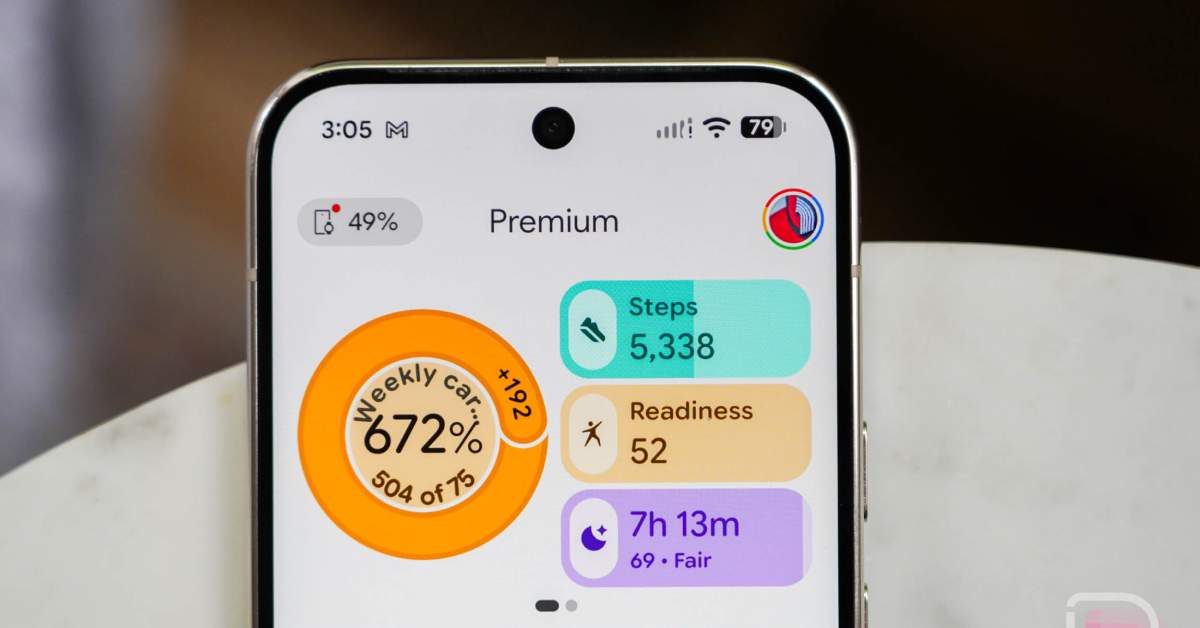
Google today began pushing a massive update to its Health app that addresses more than 15 core bugs, responding directly to weeks of user backlash that erupted after the app's initial rollout. The update, first reported by Droid Life, marks the company's most significant commitment yet to fixing a product that has been widely criticized for performance issues, missing features, and reliability problems since its launch.
Key Facts
- Google's Health app update fixes more than 15 core bugs, with the first batch of fixes arriving today, June 4, 2026, and additional improvements promised over the coming weeks and months.
- The update was announced by Droid Life, which first reported on the widespread user dissatisfaction that followed the app's initial release earlier this year.
- Google acknowledged the negative reception and committed to "big changes" in a statement, with today's update being the first tangible result of that commitment.
- The Health app is a central component of Google's broader health and wellness strategy, competing directly with Apple Health, Samsung Health, and Fitbit (which Google also owns).
- Specific bugs fixed include syncing errors, crash-on-launch issues, incorrect step counting, heart rate data gaps, and notification failures, according to early user reports.
- The update is rolling out via Google Play Store and will reach all users over the next several days, with no manual intervention required for most devices.
- Google has not disclosed the total number of users affected by the bugs, but social media complaints and app store ratings have dropped significantly since launch, with many reviews citing the app as "unusable" or "worse than before."
Breaking It Down
The scale of this update is unusual for Google, which typically deploys incremental fixes rather than bundling 15+ bug resolutions into a single release. The decision to batch so many fixes together signals that the company recognized a systemic failure in the Health app's initial quality, not just isolated issues. Google's Health app was intended to unify health data from Fitbit, Google Fit, and third-party devices into a single, streamlined experience. Instead, users encountered an app that frequently crashed, failed to sync data across devices, and displayed inaccurate metrics.
"More than 15 core bugs" in a single update represents an unusually high number of fixes for a first-party Google app, suggesting the initial release was released before adequate testing or with known issues that were deprioritized. For context, major app updates from Google typically address 3–5 bugs at most; 15+ implies a fundamental quality-control breakdown.
The user backlash was swift and vocal. On Reddit, Twitter, and Google Play Store reviews, users reported that the app would freeze when switching between data tabs, fail to import historical data from Google Fit, and show inaccurate step counts that differed by thousands from Fitbit devices. Some users noted that the app would not even launch on certain Pixel and Samsung Galaxy devices, rendering the health-tracking feature entirely nonfunctional. Google's silence during the first few weeks of complaints only amplified the frustration, with many users threatening to switch to Apple Health or Samsung Health permanently.
The timing of this update is critical. Google is preparing to launch the Pixel 10 later this year, and the Health app is expected to be a marquee feature for that device, integrating deeper with Pixel Watch 3 and Fitbit Charge 7. A broken Health app would undermine the entire ecosystem pitch. By fixing these bugs now, Google is trying to salvage user trust before the next hardware cycle begins.
What Comes Next
The fixes arriving today are only the first wave. Google has committed to additional improvements over the next few weeks and months, indicating that the Health app's problems are more extensive than a single update can solve. Users should expect:
- Additional bug-fix updates in July and August 2026: Google will likely release two more patches addressing remaining issues, particularly around third-party device compatibility and data export/import functions, which were not fully resolved in today's update.
- Feature additions promised for late summer 2026: Google has hinted at restoring or adding new features, including sleep tracking improvements, meal logging integration, and medication reminders, which were either missing at launch or removed during the initial rollout.
- A formal apology or transparency report from Google: Given the severity of the backlash, Google may issue a public post-mortem explaining how so many bugs made it into the final release, potentially including changes to its internal testing processes.
- Impact on Pixel 10 launch marketing: If the Health app remains unreliable through August, expect Google to downplay its role in Pixel 10 advertising, potentially delaying ecosystem integration features until a later software update.
The Bigger Picture
This incident underscores two major trends in consumer technology. First, health-tracking consolidation is becoming a battlefield among the largest tech companies. Apple has steadily built Apple Health into a comprehensive platform with deep watchOS integration, while Samsung has unified its health data under Samsung Health with support for Galaxy Watch and third-party devices. Google's Health app was supposed to be its answer, but the buggy launch has handed its competitors a clear opening to poach frustrated users.
Second, the cost of rushed software releases is rising as users become less tolerant of broken features. Google, like many tech giants, has increasingly adopted a "ship now, fix later" approach, relying on user feedback to identify issues after launch. The Health app backlash shows that this strategy can backfire severely when the product is central to user trust—especially in health, where inaccurate data can have real-world consequences. Google will need to demonstrate that it has learned this lesson before its next major health product launch.
Key Takeaways
- [Massive Bug Count]: Google's Health app update fixes over 15 core bugs in a single release, an unusually high number that indicates the initial launch was fundamentally flawed.
- [User Backlash Drove Action]: Widespread complaints on social media and app stores, including reports of crashes and inaccurate data, forced Google to prioritize fixes after weeks of silence.
- [Ecosystem Risk]: The Health app's problems threaten Google's entire health ecosystem, including Fitbit, Pixel Watch, and the upcoming Pixel 10, making this a strategic crisis, not just a software bug.
- [Competitor Opportunity]: Apple Health and Samsung Health are direct beneficiaries of Google's misstep, as frustrated users may switch platforms permanently if reliability does not improve.