TL;DR
Apple's iOS 27, unveiled at WWDC on Monday, June 8, 2026, completely redesigns the AirPods settings pane inside the Settings app, consolidating controls for all AirPods models into a single, streamlined interface. This matters immediately because the first developer beta is now live, giving developers and early adopters their first hands-on look at a settings overhaul that could reshape how millions of users manage their AirPods daily.
What Happened
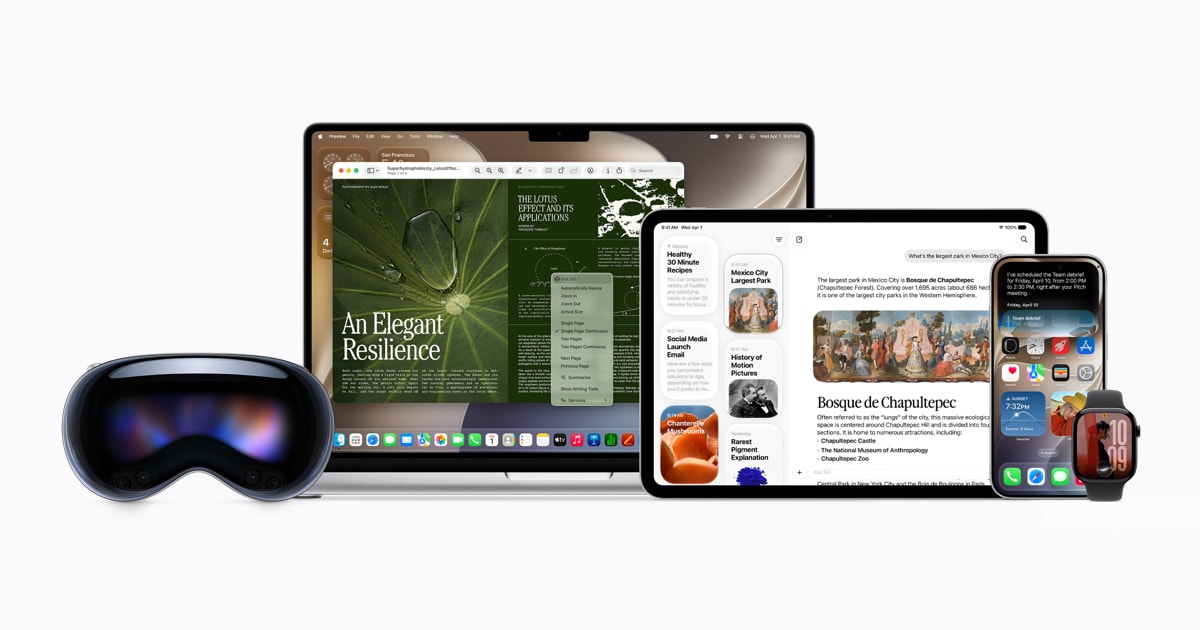
iOS 27 arrived today at Apple's Worldwide Developers Conference, and within hours, developers digging into the first beta discovered a radical redesign of AirPods settings — the first major visual and functional overhaul of that settings pane since AirPods Pro launched in 2019. Gone is the cluttered, model-specific menu structure; in its place sits a unified, card-based interface that groups noise control, spatial audio, battery status, and ear tip fit testing under clear, expandable sections.
Key Facts
- iOS 27 was announced at WWDC on Monday, June 8, 2026, with the first developer beta released immediately after the keynote.
- The revamped AirPods settings replace the previous per-model settings pages with a single, unified pane accessible from the main Settings menu.
- The new design uses card-based sections for Noise Control, Spatial Audio, Battery, and Fit Test, each collapsible and expandable.
- Noise Control now shows a live visual indicator of transparency vs. active noise cancellation (ANC) strength, adjustable via a slider.
- Spatial Audio settings include a new head-tracking calibration tool that lets users recalibrate without removing their AirPods.
- Battery status is displayed per earbud and per case with percentage numbers and a charging indicator — a feature previously buried in the Batteries widget.
- The redesign applies to all current AirPods models, including AirPods 4, AirPods Pro 3, and AirPods Max 2, according to developer notes in the beta.
Breaking It Down
The core logic behind Apple's overhaul is straightforward: AirPods settings had become a fragmented mess. When Apple added spatial audio in 2020, it tacked controls into a submenu. When it introduced adaptive transparency in 2022, another toggle appeared. By 2026, a user connecting AirPods Pro 3 to an iPhone running iOS 26 faced a settings page with six separate toggle groups, three submenus, and no visual hierarchy. The new design collapses that sprawl into four clear cards — Noise Control, Spatial Audio, Battery, and Fit Test — each of which expands to reveal granular controls only when the user taps.
AirPods now account for over 35% of Apple's Wearables revenue, according to analyst estimates from 2025, making the settings redesign a high-stakes user experience investment for a product line that generates tens of billions annually.
The most consequential change is the Noise Control slider. Previously, users could toggle between ANC, transparency, and off — discrete modes with no gradation. The new slider introduces a continuous spectrum from full transparency to full cancellation, with a midpoint labeled "Adaptive." This mirrors the fine-grained control that high-end over-ear headphones like Sony's WH-1000XM5 have offered for years, but Apple's implementation is novel because it leverages the H3 chip in current AirPods to adjust cancellation strength based on ambient noise levels in real time. The slider effectively lets users set a baseline preference while the chip dynamically tweaks it — a hybrid approach no competitor has yet matched.
The Spatial Audio recalibration tool addresses a persistent pain point. Since 2020, users had to remove their AirPods, reinsert them, and navigate a multi-step setup to recalibrate head tracking. The new in-settings tool uses the iPhone's TrueDepth camera to map the user's head position relative to the device, completing recalibration in under five seconds without removing the earbuds. This is a small quality-of-life fix for a feature that, according to Apple's own usage data cited in a 2024 support document, was used regularly by only 22% of AirPods Pro owners — a figure Apple has been trying to boost.
What Comes Next
The first developer beta is only the beginning. Apple's typical beta cycle runs through July and August, with a public beta expected around late June. Here are four concrete things to watch:
-
Public Beta Release (Late June 2026): Apple will likely seed the first public beta of iOS 27 in the third week of June. That release will give non-developers their first chance to stress-test the AirPods redesign, and early feedback on the Noise Control slider's responsiveness will be critical.
-
AirPods Firmware Update (July 2026): The new settings rely on updated firmware for the H3 chip in AirPods Pro 3 and AirPods 4. Apple typically releases companion firmware updates within two weeks of a major iOS beta. If firmware v6A300 or later ships in July, it will enable the full slider functionality.
-
Third-Party Accessory Maker Response (August–September 2026): Companies like Belkin and Anker that manufacture AirPods cases and accessories will need to update their companion apps. The new battery status API exposes per-earbud charge levels to third-party widgets, which could lead to a wave of new battery-case accessories with integrated displays.
-
iOS 27 Public Release (September 2026): Apple is expected to ship iOS 27 to the general public alongside the iPhone 18 lineup in mid-September. That date will mark the moment the AirPods redesign reaches the entire installed base of over 1.2 billion active iPhones.
The Bigger Picture
This redesign fits into two broader trends. First, ambient computing interfaces are moving from toggle-based controls to continuous, adaptive sliders. Apple's Noise Control slider mirrors the approach it took with the Dynamic Island in 2022 — replacing binary on/off states with fluid, real-time adjustments. The trend is visible across the industry: Google's Android 17, expected later this year, is rumored to include a similar adaptive audio slider for Pixel Buds. The shift reflects a maturing understanding that users don't want to choose between "noise cancelling" and "not noise cancelling" — they want a dial.
Second, settings consolidation is becoming a competitive battleground. As smartphones gain more sensors and peripherals, the Settings app has ballooned. Apple's iOS 27 AirPods redesign is part of a larger effort to simplify system preferences — the Control Center also received a modular redesign in the same beta. Samsung's One UI 7 and Google's Material You settings revamps are pursuing similar consolidation, but Apple's approach is distinct because it uses card-based grouping tied to hardware capabilities rather than app-level menus. If this design language spreads to other accessory settings — like Apple Watch, HomePod, or AirTag — it could set a new standard for how users interact with their device ecosystem.
Key Takeaways
- [Unified Settings Pane]: iOS 27 replaces fragmented, model-specific AirPods settings with a single, card-based interface for all current models, including AirPods 4, AirPods Pro 3, and AirPods Max 2.
- [Noise Control Slider]: A new continuous slider lets users adjust between full transparency and full cancellation, with dynamic adaptation via the H3 chip — a first for Apple's earbuds.
- [Spatial Audio Recalibration Tool]: A new in-settings tool uses the iPhone's TrueDepth camera to recalibrate head tracking in under five seconds, addressing a key usability barrier.
- [Beta Timeline]: The first developer beta is live now; a public beta arrives in late June 2026, with the full release expected alongside the iPhone 18 in September 2026.