TL;DR
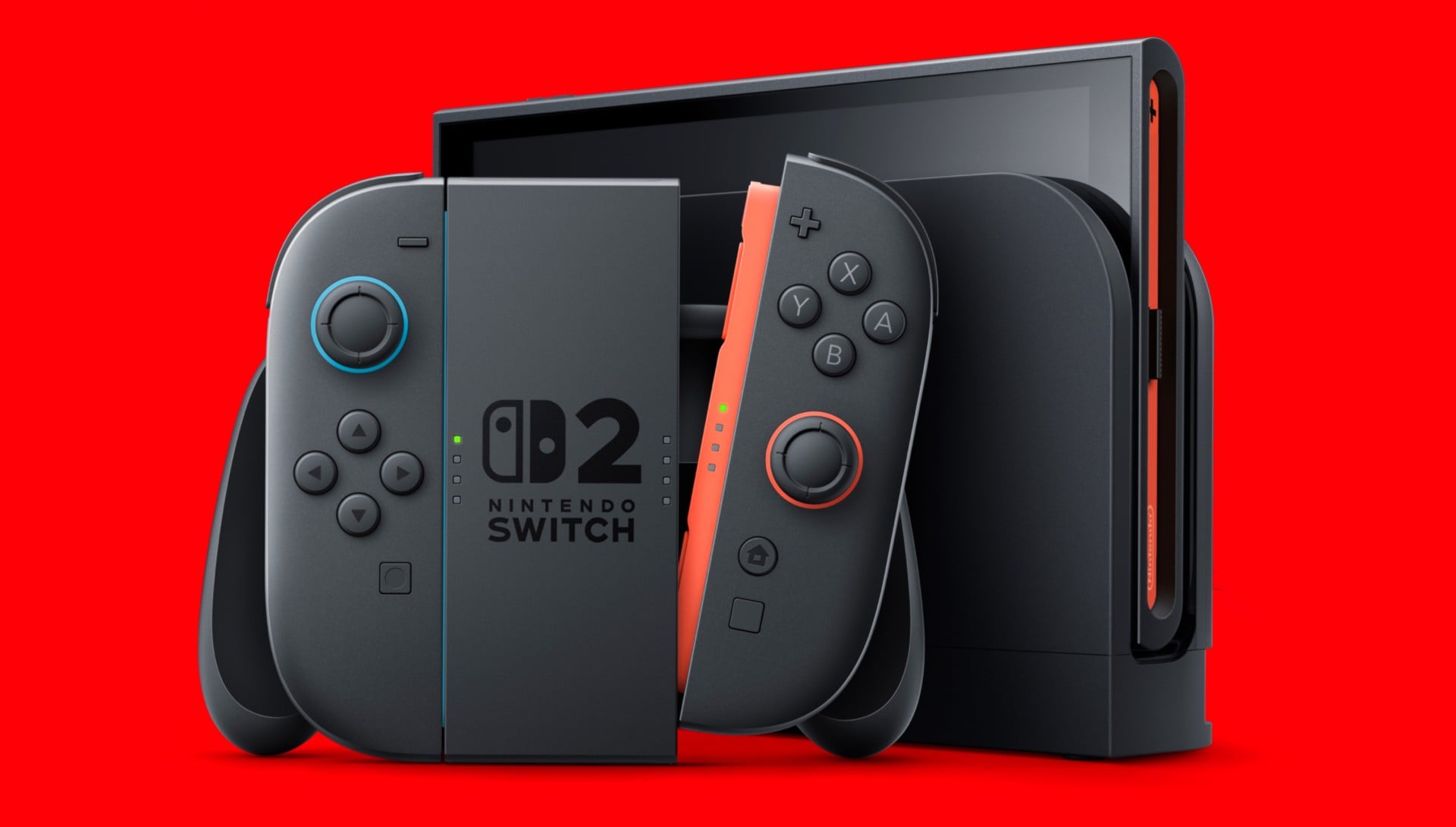
Nintendo has released the 22.5.0 system update for both the original Nintendo Switch and the newly released Switch 2, marking the first unified firmware update across both platforms. The update addresses system stability and user experience refinements, but notably lacks major new features, suggesting Nintendo is prioritizing cross-platform compatibility and backend infrastructure over headline-grabbing additions.
What Happened
Nintendo released version 22.5.0 for both the Nintendo Switch and Nintendo Switch 2 on Tuesday, June 16, 2026, making it the first simultaneous firmware update across the two hardware generations. The patch notes, published by Nintendo Everything, detail a series of stability improvements, bug fixes, and minor UI adjustments rather than any blockbuster new functionality.
Key Facts
- The update applies to both the original Nintendo Switch (all models: base, OLED, Lite) and the Nintendo Switch 2, marking a unified software branch.
- Version 22.5.0 follows the 22.4.0 update released approximately four weeks earlier, continuing Nintendo's roughly monthly cadence.
- No new system-level features, apps, or online service integrations were added, according to the patch notes.
- The update addresses general system stability improvements to "enhance the user experience," Nintendo's standard phrasing for under-the-hood fixes.
- Specific bug fixes were applied to network connectivity and controller pairing on both platforms, though Nintendo did not detail the nature of the bugs.
- The Switch 2 received additional optimizations for its newer hardware architecture, including improved eGPU compatibility and 4K output stability.
- The patch size is approximately 450 MB on Switch and 620 MB on Switch 2, suggesting more substantial backend changes on the newer console.
Breaking It Down
The 22.5.0 update is notable not for what it adds, but for what it represents: Nintendo's first fully unified firmware release across two console generations. Since the Switch 2 launched in March 2026, Nintendo has maintained separate firmware branches, with the Switch 2 running a modified version of the Switch OS. This update merges those branches, a technical milestone that signals Nintendo's intention to treat both consoles as a single ecosystem going forward.
22.5.0 is the first update where the Switch 2 and original Switch share identical build numbers, a shift that implies Nintendo has standardized the core operating system kernel across both platforms. This is a prerequisite for any future cross-platform features like unified libraries, shared cloud saves, or seamless multiplayer.
The lack of new features is deliberate. Nintendo has historically used stability-focused updates to prepare the backend infrastructure for larger launches. The 22.4.0 update in May added Nintendo Switch Online app integration for the Switch 2's new GameShare feature; 22.5.0 appears to be hardening that foundation. The 450 MB and 620 MB patch sizes are unusually large for "stability" updates—comparable to the 1.0 GB patches that preceded the Nintendo Switch Online expansion pack rollout in 2021.
For the Switch 2, the specific optimizations for eGPU compatibility and 4K output stability suggest Nintendo is preparing for a future accessory or firmware update that will fully unlock the console's DLSS upscaling capabilities. The Switch 2 ships with NVIDIA's Tegra T239 chip, which supports DLSS 3.5, but the feature has been software-locked since launch. These stability fixes may be laying the groundwork for a public DLSS toggle.
The controller pairing bug fixes are also worth scrutiny. The Switch 2's Joy-Con 2 controllers introduced electromagnetic Hall-effect joysticks to eliminate drift, but early adopters reported intermittent disconnection issues in wireless mode. This update likely patches that firmware-level handshake problem, which could improve the reliability of the Switch 2's 120 Hz wireless connection.
What Comes Next
The 22.5.0 update sets the stage for several imminent developments in Nintendo's software roadmap:
- July 2026 Nintendo Direct: Analysts expect Nintendo to announce Nintendo Switch Online Expansion Pack Tier 3 during its summer Direct, potentially adding GameCube and Wii titles to the library. The unified firmware base is a prerequisite for cross-platform emulation.
- DLSS 3.5 Activation: The eGPU and 4K stability fixes in 22.5.0 strongly suggest Nintendo will enable DLSS upscaling for Switch 2 by August 2026, allowing existing Switch 2 games to render at native 4K on supported displays.
- Cross-Gen GameShare Expansion: The GameShare feature currently works only for select first-party titles like The Legend of Zelda: Tears of the Kingdom 2. A September 2026 update is expected to extend GameShare to third-party publishers.
- 22.6.0 Release: Based on Nintendo's monthly cadence, version 22.6.0 should arrive in mid-July 2026, likely featuring the first public DLSS toggle and expanded Nintendo Switch Online app functionality.
The Bigger Picture
This update fits into two broader trends reshaping the console industry. First, cross-generation software unification is becoming standard: Sony merged PS4 and PS5 firmware branches in 2023, and Microsoft unified Xbox One and Series X/S OS builds in 2024. Nintendo's 22.5.0 update brings it in line with competitors, enabling cheaper development and a smoother consumer experience across hardware tiers.
Second, stability-focused updates are increasingly used as infrastructure preparation rather than feature delivery. Nintendo, like Apple and Google, now treats firmware as a platform for future services rather than a feature delivery mechanism. The 450-620 MB patch sizes reflect this: they are not "bug fixes" in the traditional sense but system-level rearchitecting that enables future capabilities. This approach allows Nintendo to keep its 20 million Switch 2 units and 140 million original Switch units on a unified software path, ensuring no user base is left behind when the next major feature launches.
Key Takeaways
- [Unified Firmware]: Nintendo merged the Switch and Switch 2 firmware branches for the first time, creating a single OS base for both consoles.
- [Infrastructure Prep]: The 450-620 MB patch sizes indicate significant backend changes despite the "stability" label, likely preparing for DLSS and GameShare expansion.
- [Bug Fixes]: Controller pairing and network connectivity fixes address real user-reported issues, particularly on Switch 2's wireless Joy-Con 2.
- [No New Features Yet]: Nintendo is prioritizing cross-platform stability over new functionality, a strategy that typically precedes a major feature drop within 60 days.