TL;DR
Apple is replacing Siri with Siri AI in iOS 27, delivering the full-featured, on-device conversational assistant originally promised years ago. This overhaul requires an A18 chip or newer, meaning only iPhone 17 and later models will support the upgrade—a move that could drive a massive upgrade cycle starting in late 2026.
What Happened
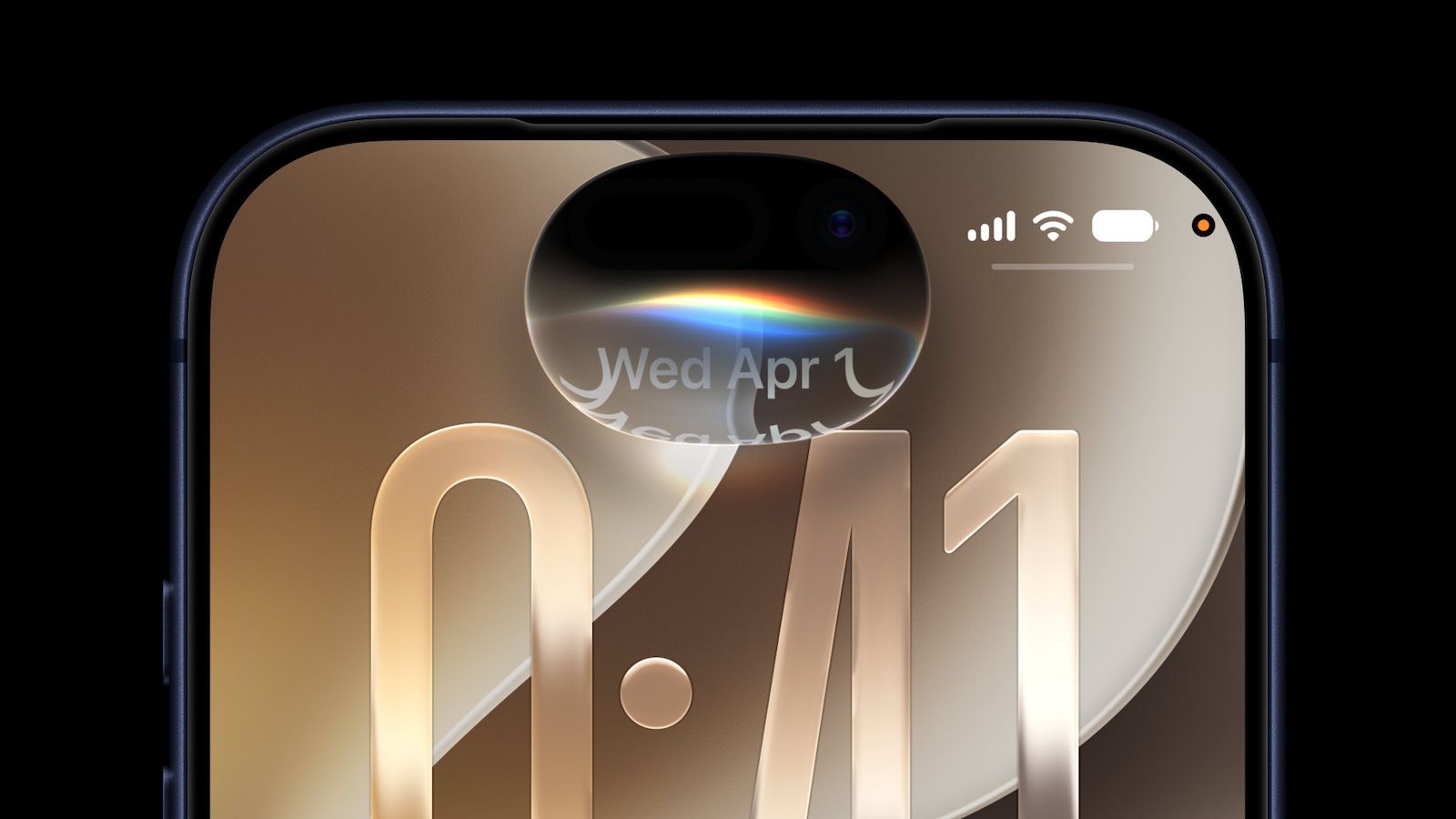
Apple officially unveiled Siri AI as the centerpiece of iOS 27 on Monday, June 15, 2026, finally delivering the generative AI assistant it first teased at WWDC 2023. The overhaul transforms Siri from a limited voice command tool into a fully conversational, on-device AI that can understand context, generate text, edit photos, and execute complex multi-step tasks—all without sending data to Apple's servers.
Key Facts
- iOS 27 launches publicly in September 2026, with a developer beta dropping immediately after the WWDC keynote on June 15.
- Siri AI requires at minimum an A18 chip and 8GB of RAM, limiting support to iPhone 17, iPhone 17 Pro, iPhone 17 Pro Max, and iPhone SE (5th generation).
- The new assistant uses Apple's "Ajax" large language model, running entirely on-device via the Neural Engine to process requests without cloud dependency.
- Siri AI can now perform on-device photo editing, including object removal, background replacement, and style transfer using natural language commands.
- Apple claims privacy as the key differentiator: unlike ChatGPT or Google Gemini, Siri AI processes 100% of requests locally with no data leaving the device.
- The upgrade includes "App Intents 2.0" , a developer framework allowing third-party apps to expose deep functionality to Siri AI, from booking flights to controlling smart home devices.
- iPadOS 27 and macOS 16 will also receive Siri AI, but only on M4 chip or newer devices.
Breaking It Down
The most striking aspect of this announcement is the hardware cutoff. By requiring an A18 chip and 8GB of RAM, Apple is effectively declaring that every iPhone sold before September 2026 is incapable of running the company's core AI assistant. This is a dramatic departure from Apple's historical approach of supporting devices for five to six years. The iPhone 16, launched just one year prior, will be excluded—a move that will frustrate millions of users who bought into the "Apple Intelligence" branding at WWDC 2024.
Over 300 million iPhones currently in active use will be unable to run Siri AI, according to analyst estimates based on Apple's installed base of roughly 1.2 billion iPhones and the share running A17 or older chips.
This forced upgrade cycle is Apple's most aggressive hardware lock-in since the iPhone 5s introduced Touch ID and 64-bit computing, which effectively killed off older 32-bit devices. The difference is that Siri AI is a software feature, not a hardware architecture change. Apple could have offered a cloud-based fallback for older devices—as it does with some Apple Intelligence features in iOS 18—but chose not to. The message is clear: if you want the AI future, you need new hardware.
The on-device processing claim is both a strength and a limitation. By keeping all inference local, Apple sidesteps the privacy and latency issues that plague cloud-based assistants like ChatGPT or Google Gemini. Users can edit photos, compose emails, and query local files without any data leaving the device. However, this also means Siri AI cannot access real-time web data, breaking features like live sports scores, stock prices, or weather updates unless Apple builds a separate cloud pipeline for non-personal queries. The company has not yet clarified how it will handle this gap.
What Comes Next
The developer beta launching today will be the true test. Third-party developers must adopt App Intents 2.0 to make their apps Siri AI-compatible, and early reports suggest the integration is complex. Here are the concrete milestones to watch:
- June 15 – July 2026: Developer beta period. Key question: how many of the top 100 App Store apps ship with App Intents 2.0 support by September? Apple will likely need to incentivise adoption, possibly through featured placement.
- September 2026: Public release of iOS 27 alongside the iPhone 19 lineup. Expect Apple to position the iPhone 19 as the "ultimate Siri AI device," with the iPhone 17 and 18 as budget alternatives.
- Late 2026 – Early 2027: First major legal challenges. Privacy advocates may question Apple's claim of "100% on-device" processing, especially if diagnostics or crash reports inadvertently send AI conversation data to Apple.
- WWDC 2027: Apple will likely announce Siri AI Cloud—a paid tier that offloads complex requests to Apple's servers for users who want web-connected features, potentially launching as a subscription service.
The Bigger Picture
This launch sits at the intersection of two major trends: On-Device AI and Hardware-Enabled Lock-In. Apple is betting that local processing is the winning strategy for consumer AI, positioning itself as the privacy-first alternative to cloud-dependent rivals like Google and OpenAI. But this bet only works if the A18's Neural Engine is genuinely capable of running large language models at acceptable speed and accuracy. Early benchmarks from the developer beta will be crucial.
Simultaneously, Apple is using AI to accelerate its hardware upgrade cycle. The iPhone market has matured, with users upgrading every three to four years. By tying a marquee feature to the latest chips, Apple can compress that cycle back to two years—boosting revenue from both device sales and the services attached to newer devices. This mirrors the strategy Apple employed with Apple Intelligence in iOS 18, but Siri AI's hardware cutoff is far more aggressive.
Key Takeaways
- [Hardware Lock-In]: Siri AI requires A18 or newer chips, excluding the iPhone 16 and all earlier models—a move that will drive a massive upgrade cycle starting September 2026.
- [Privacy as Moat]: Apple's on-device processing claims 100% local inference, positioning Siri AI as the only major assistant that never sends user data to the cloud.
- [Developer Dependency]: Siri AI's usefulness hinges entirely on third-party adoption of App Intents 2.0; a weak developer response could leave the assistant feeling hollow.
- [Web Data Gap]: On-device processing prevents real-time web queries, forcing Apple to either accept this limitation or build a separate cloud pipeline for non-personal requests.