TL;DR
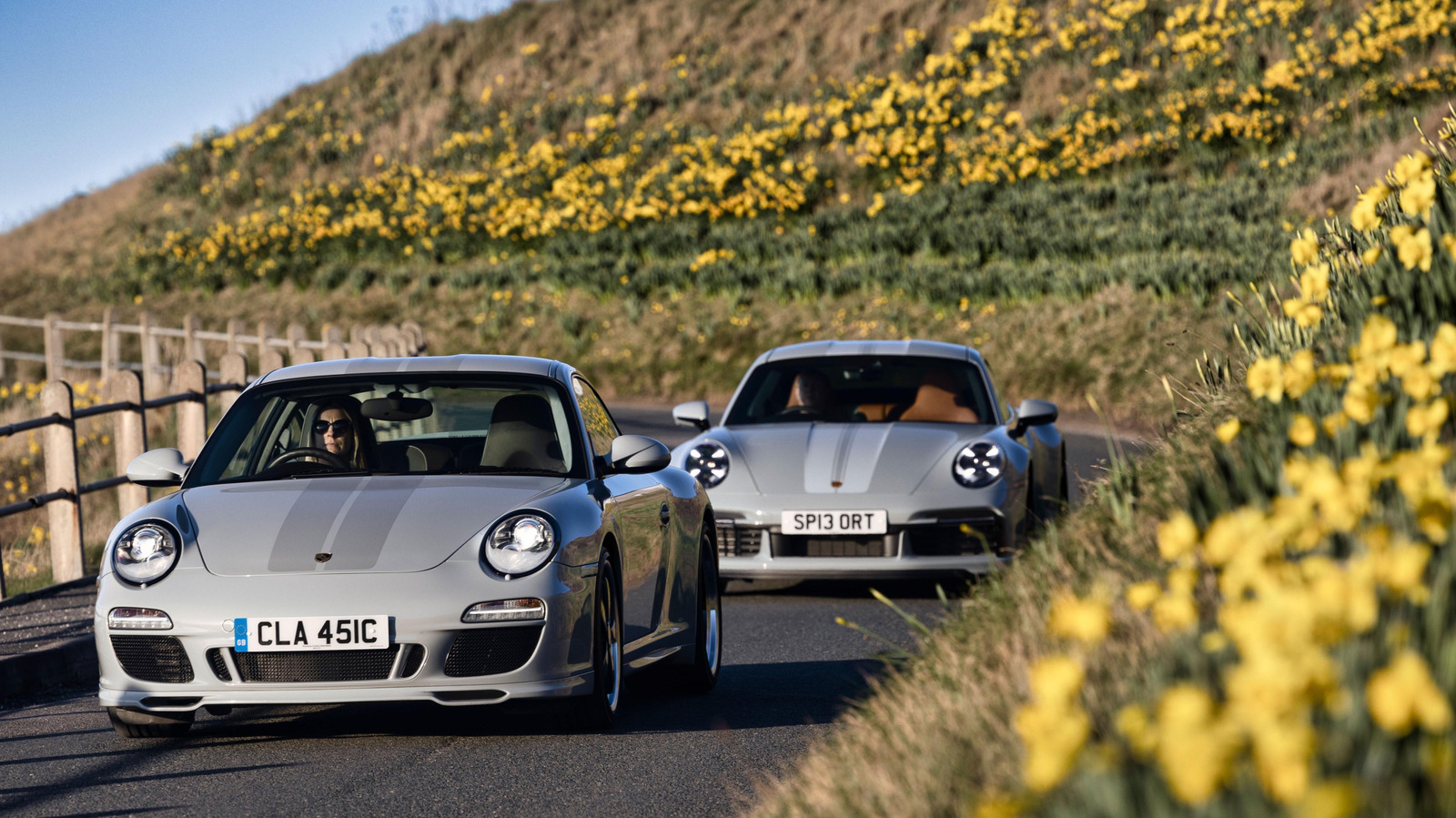
Porsche has filed a patent for a system that uses electrical currents to change the physical appearance of a car's body panels, allowing features like racing stripes to appear on command when a driver selects Sport Mode. This represents a fundamental shift from static paint and wraps to programmable, dynamic vehicle surfaces. The technology matters now as the automotive industry intensifies its focus on software-defined vehicles and personalization as key revenue streams.
What Happened
The lines on a high-performance car are about to become literal. Porsche AG has secured a groundbreaking patent for a vehicle exterior that can change its visual appearance at the touch of a button, moving the concept of a "mode selector" from the cockpit to the bodywork itself. Filed with the United States Patent and Trademark Office (USPTO) and published on April 12, 2026, the technology could see a Porsche's paint scheme transform as seamlessly as its throttle response when the driver switches driving modes.
Key Facts
- Patent Filing: The innovation was officially documented in US Patent Application No. US2026/0102345A1, titled "Motor vehicle having a changeable outer skin."
- Core Mechanism: The system uses a low-voltage electrical current applied to specialized body panels to alter their optical properties, making pre-programmed designs like stripes or contrasting colors appear or disappear.
- Integration: The visual changes are designed to be automatically triggered by the vehicle's driving mode selector (e.g., Normal, Sport, Sport Plus), creating a direct link between performance state and aesthetic.
- Material Science: The patent details the use of an electrochromic polymer layer sandwiched within a composite panel, a technology more advanced than simple LED integration.
- Strategic Timing: This patent emerges as Porsche's parent company, Volkswagen Group, aggressively pursues its "NEW AUTO" strategy, aiming to derive a significant portion of future profits from software and vehicle personalization.
- Historical Context: While concepts like BMW's iX Flow featuring E Ink wraps have been shown, Porsche's patent is the first to explicitly tie dynamic aesthetics to performance driving modes in a production-feasible system.
- Potential Applications: Beyond racing stripes, the technology could enable customizable accent colors, temporary decals, or even regulatory features like making safety markings more visible.
Breaking It Down
Porsche's patent is not merely a novelty; it is a strategic maneuver in the high-stakes arena of automotive software and brand identity. By linking aesthetic transformation to the driving experience, Porsche is enhancing the emotional feedback loop of its vehicles. The act of selecting Sport Mode becomes more visceral when the car's exterior physically responds, deepening the driver's connection to the machine and amplifying the brand's performance-oriented ethos. This moves personalization from a factory-order checkbox to an experiential feature controlled by the driver's daily intentions.
The system’s proposed integration with existing drive mode selectors is its most commercially significant feature, transforming a functional software setting into a catalyst for visual customization.
This direct integration is a masterstroke in product design. It bypasses the need for a separate, cumbersome app or menu, embedding the feature into a familiar, frequently used interface. For Porsche, a brand where driving mode selection is a ritual, this creates a powerful and intuitive synergy. The technology effectively turns the entire vehicle surface into an extension of the driver display, communicating the car's "state of mind" to both the driver and the outside world. It repurposes existing customer behavior—changing drive modes—as the trigger for a new form of expression.
The technical pivot from displays to body panels is profound. Unlike the BMW iX Flow which used an E Ink film wrap to change between pre-set shades, Porsche's electrochromic polymer layer integrated into composite panels suggests a more durable, structural approach. This isn't a screen or a sticker; it's intended to be part of the body itself, potentially more resilient to weather, washing, and wear. This addresses a major hurdle for dynamic surfaces: longevity and integration into the harsh automotive environment. Porsche's solution hints at a future where a car's color and graphics are as updatable as its infotainment software, with potential "appearance packs" downloadable via over-the-air updates.
Furthermore, this patent must be viewed through the financial lens of Volkswagen Group's corporate strategy. With margins on traditional manufacturing under pressure, the entire industry is chasing high-profit software and services. Dynamic exterior personalization represents a new, potentially lucrative frontier for microtransactions and subscription features. Imagine paying a monthly fee to unlock special seasonal liveries or limited-edition stripe patterns. Porsche is laying the groundwork to monetize a car's exterior long after it has left the dealership.
What Comes Next
The path from patent filing to production option is complex, and several key milestones will determine the success of this technology.
- Prototype Validation and Durability Testing (Late 2026-2027): The first critical step will be the construction of functional prototypes, likely based on the 911 or 718 Cayman platforms. These mules will undergo rigorous testing for long-term durability against UV radiation, extreme temperatures, stone chips, and chemical exposure (like car wash detergents). The performance of the electrochromic layer after thousands of activation cycles will be a major focus.
- Regulatory and Safety Approval (2028): Porsche's engineering and legal teams will need to work with global regulatory bodies, particularly the U.S. National Highway Traffic Safety Administration (NHTSA) and European type-approval authorities. They must prove that the changing panels do not affect structural integrity, pedestrian safety, or create undue glare for other drivers. The reflectivity and visibility of the car in various states will be scrutinized.
- Production Sourcing and Cost Analysis (2028-2029): Scaling the technology requires securing a supply chain for the specialized composite panels. Porsche will partner with chemical and materials giants like BASF or Covestro to produce the electrochromic polymers at scale. A decisive board review will occur to determine if the system can be offered at a cost that maintains Porsche's profitability, likely targeting it as a high-margin option on premium models first.
- Market Introduction and Business Model Rollout (2030+): Upon successful testing and costing, the feature would debut, most plausibly as part of a major model refresh or a new vehicle line. Concurrently, Porsche will unveil the accompanying business model—whether it's a one-time expensive option, a suite of purchasable designs, or a subscription service accessible through its Porsche Connect digital ecosystem.
The Bigger Picture
Porsche's patent is a vivid symptom of two dominant trends reshaping the automotive landscape. The first is the rise of the Software-Defined Vehicle (SDV). Cars are increasingly becoming platforms where features and experiences are enabled by code. This technology treats the exterior as another software-addressable domain, akin to the powertrain or ambient lighting. The ability to change a car's appearance on demand is the ultimate expression of a vehicle whose character is defined by its programming.
Secondly, it accelerates the trend of Digital Personalization and Vehicle-as-a-Service. Manufacturers are no longer just selling a static product; they are offering an ongoing, updatable relationship. In an era where digital identities are fluid, the expectation for physical objects, especially high-value expressive ones like cars, to reflect that fluidity is growing. This technology caters to that desire, allowing an owner's vehicle to match their mood, the season, or a special event without the permanence of a repaint or the tackiness of decals. It merges the physical and digital identities of both the driver and the car.
Key Takeaways
- From Static to Dynamic: Porsche is pioneering a shift from permanent paint to electrically programmable surfaces, making a car's exterior an active, changeable component of the driving experience.
- Experience Amplification: The core innovation is the seamless integration with drive modes, using a performance setting to trigger an aesthetic change, thereby heightening the emotional engagement of the driver.
- New Revenue Frontier: This technology is a direct play for the high-margin personalization market, opening doors to software-like business models including one-time unlocks, downloadable designs, and subscription-based appearance features.
- Material Science Leap: Moving beyond concept wraps, Porsche's patent for integrated electrochromic composite panels addresses durability and design integration, representing a significant step toward production viability.