TL;DR
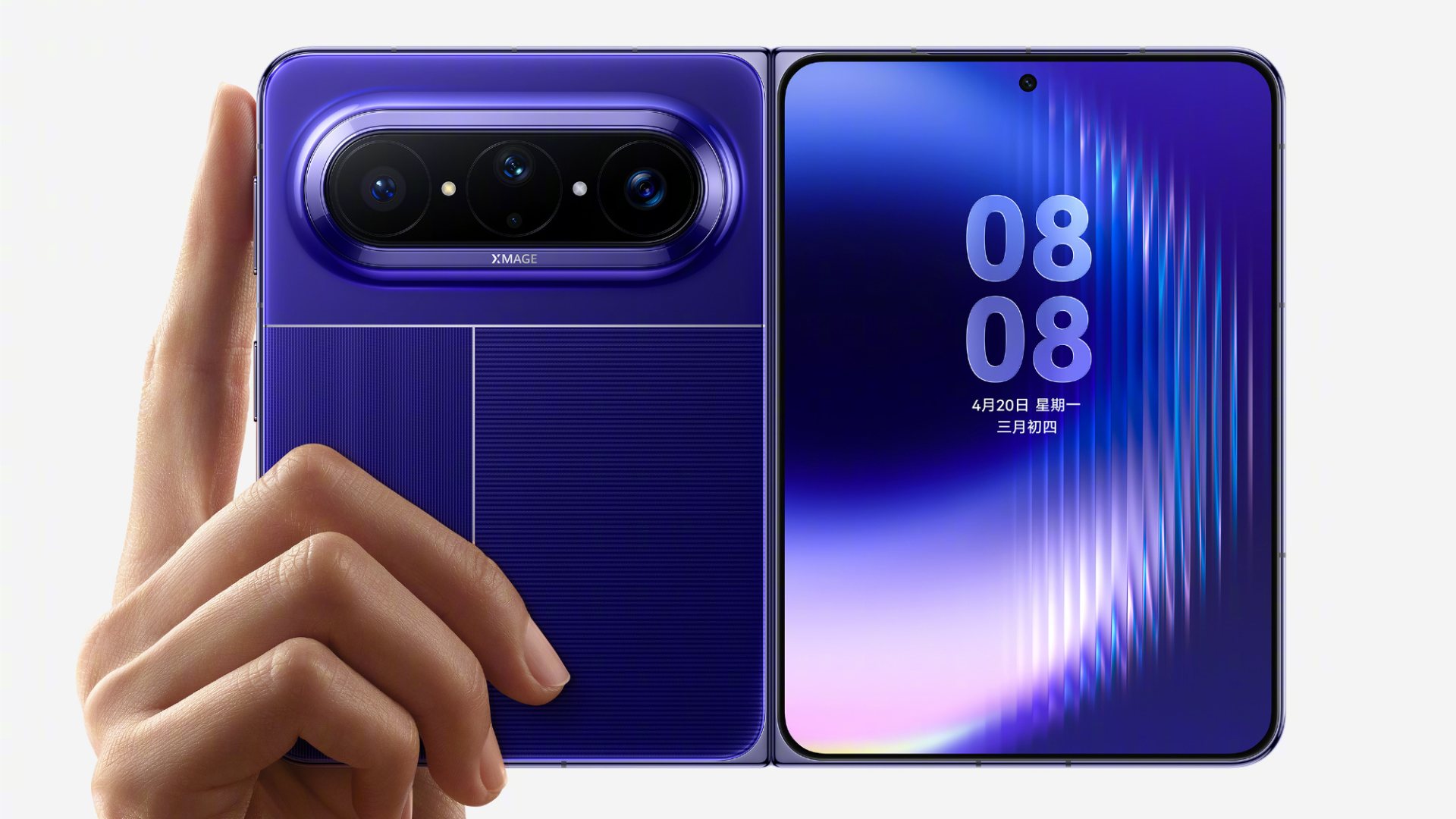
Huawei has launched the Pura X Max, a book-style foldable with a significantly wider external display that directly challenges the dominant design philosophy of Samsung's Galaxy Z Fold series. This launch marks the formal start of a pivotal industry shift in 2026 toward wider, more usable foldable form factors, forcing immediate competitive responses from Samsung and Apple.
What Happened
On Monday, April 13, 2026, Huawei officially unveiled the Pura X Max, a flagship foldable smartphone that fundamentally reimagines the "book-style" form factor. The device features a dramatically wider cover screen, directly addressing the most persistent user complaint about current market leader Samsung's Galaxy Z Fold line and setting a new design benchmark for the entire industry.
Key Facts
- Huawei unveiled the Pura X Max on Monday, April 13, 2026, positioning it as the catalyst for a major design shift in the foldable phone market.
- The device's key innovation is its wider external display, which moves away from the tall, narrow "remote control" aspect ratio popularized by Samsung toward a more standard phone-like width.
- The internal foldable screen is reported to have an aspect ratio closer to a square, making it more suitable for multi-tasking and tablet-style applications when unfolded.
- The launch is framed by Android Authority as the start of 2026's industry-wide shift toward wider foldable designs, a trend other manufacturers are now compelled to follow.
- The report explicitly positions the Pura X Max as the foldable redesign that consumers have been anticipating from Samsung and Apple, implying these giants have been outpaced in design innovation.
- Huawei's foldable line continues under the "Pura" branding, a recent rebrand from the former "P" series, indicating a dedicated focus on cutting-edge imaging and form-factor technology.
Breaking It Down
Huawei's Pura X Max is not merely a new product; it is a strategic challenge to the established foldable orthodoxy. For years, Samsung's Galaxy Z Fold series has defined the book-style category with a design that prioritizes a compact, phone-like footprint when closed, resulting in a tall and narrow cover screen. Huawei has identified this as a critical pain point and engineered its flagship to solve it. By opting for a wider external display, the Pura X Max offers a more conventional and usable smartphone experience without needing to be unfolded, a fundamental improvement in daily utility that Samsung has been hesitant to fully embrace.
The Pura X Max launch forces Samsung into a reactive position for the first time since it created the modern foldable market.
This is the most significant immediate implication. Samsung has enjoyed near-total design authority in the Western-facing foldable space, with its iterations being incremental. Huawei, despite its well-documented challenges in key markets like the United States, has just changed the conversation. The "wider is better" design thesis, long championed by tech reviewers and a segment of users, now has a flagship champion. Samsung's upcoming Galaxy Z Fold 6, expected in late summer 2026, will now be judged explicitly against the Pura X Max's form factor. The Korean giant must decide whether to stick with its proven, narrower design—risking the perception of being outdated—or pivot mid-strategy to a wider format, which would be a major and public concession to Huawei's vision.
The report’s framing of this as the redesign "we've been waiting to see from Samsung and Apple" is a pointed critique. It highlights a perceived innovation stagnation at the top of the market. Apple, famously cautious, has yet to release any foldable product, while Samsung's designs have evolved slowly. Huawei, operating with different market pressures and supply chain realities, has demonstrated the agility to execute a bold design shift. This moves the competitive battleground from sheer foldable durability—where Samsung has made great strides—to holistic user experience and ergonomics.
What Comes Next
The unveiling of the Pura X Max triggers a sequence of high-stakes industry moves. All major smartphone players now have a concrete reference point for the 2026-2027 foldable generation, and their roadmaps will be adjusted accordingly. The pressure is now most acute on Samsung, but the ripple effects will touch every company with foldable ambitions.
The immediate timeline to watch includes:
- Samsung's Galaxy Z Fold 6 and Flip 6 Unpacked Event (Likely August 2026): This will be the most direct response. Industry analysts will scrutinize every leak and official spec for signs of a wider cover display on the Z Fold 6. Samsung's design choice here will signal whether it views Huawei's move as a passing trend or the new standard.
- Google Pixel Fold 2 Development and Launch (Expected Fall 2026): Google's first-generation Pixel Fold already featured a relatively wider form factor. The development of its successor will now be under a spotlight to see if it doubles down on this differentiation or converges further with the new benchmark set by Huawei.
- Apple's 2026 Worldwide Developers Conference (WWDC) and iPhone 16 Series Launch: While a foldable iPhone is not expected in 2026, any software hints in iOS 20 regarding flexible display support or multi-screen app paradigms will be intensely analyzed. More importantly, Apple will be under increased investor and analyst pressure to articulate its foldable strategy publicly.
- Market Share and Review Cycles (Q2-Q4 2026): The critical reception and early sales data for the Huawei Pura X Max in its available markets (primarily China, Asia, and Europe) will provide the first concrete evidence of consumer demand for this wider design. Strong performance will accelerate competitors' timelines.
The Bigger Picture
The Pura X Max launch is a key node in two major, intersecting technological trends. First, it accelerates the Maturation of Form-Factor Innovation. The smartphone industry's move beyond the slab is entering a more nuanced phase. The initial goal was simply to make a reliable folding screen. The debate has now matured to how it should fold and what precise form delivers the best experience, indicating the category is moving from early-adopter novelty to mainstream optimization.
Second, this event underscores the deepening Fragmentation of Global Tech Ecosystems. Huawei, largely excluded from Google Mobile Services and key Western markets, is innovating in a parallel track. Its successes in hardware design, like this foldable, highlight how geopolitical and trade barriers have created competing centers of R&D excellence. The "ideal" foldable design may no longer emanate solely from Silicon Valley or Seoul, but from Shenzhen as well, creating a more complex, multi-polar competitive landscape for mobile technology.
Key Takeaways
- Design Leadership Shift: Huawei has seized design leadership in the book-style foldable category with the Pura X Max's wider form factor, putting Samsung on the defensive.
- 2026 as Pivot Year: The foldable market in 2026 will be defined by the industry-wide shift toward wider external displays, a trend now officially inaugurated.
- Pressure on Apple & Samsung: The two market leaders are now explicitly behind on a key foldable design innovation, forcing accelerated and potentially reactive roadmap adjustments.
- Utility Over Novelty: The innovation focus is shifting from the basic "folding" mechanism to the daily ergonomics and usability of the device in both folded and unfolded states.