Introduction
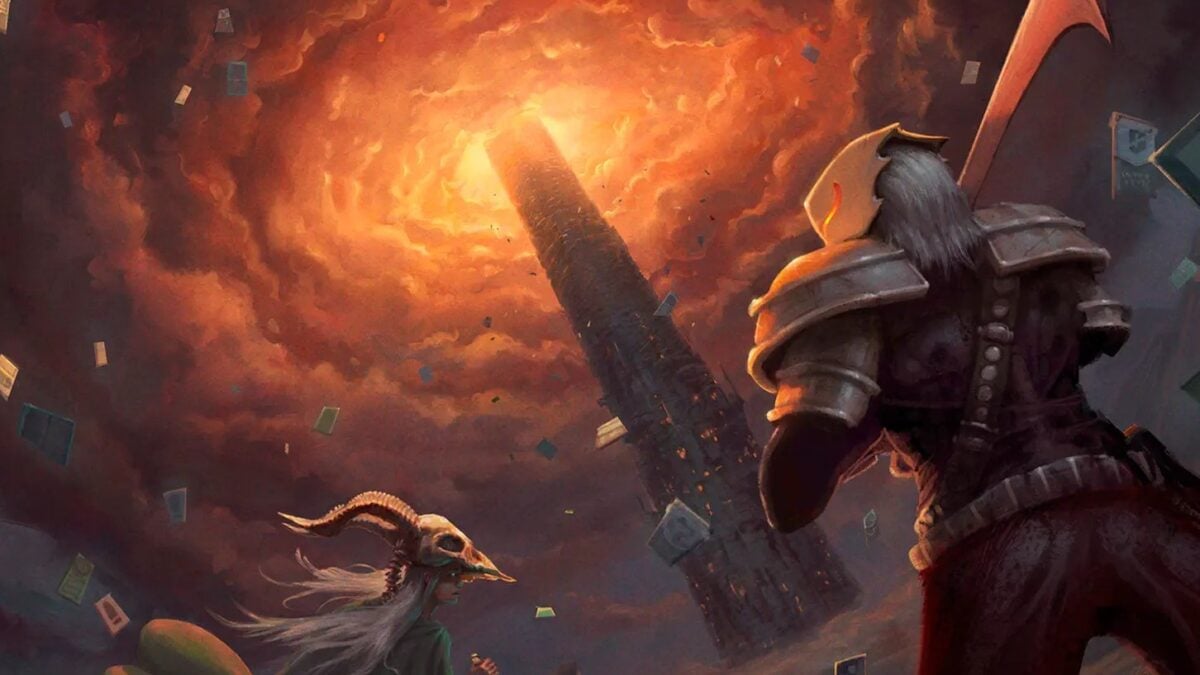
Mega Crit Games has broken its characteristic silence to unveil the first major roadmap for Slay the Spire 2, confirming a new character and additional game modes are in development for the blockbuster early access sequel. This strategic communication, driven by the game's explosive launch success, provides critical insight into the studio's development philosophy and sets a new benchmark for player expectations in the deck-building roguelike genre.
Key Facts
- Developer: Mega Crit Games, co-founded by Casey Yano and Anthony Giovannetti.
- Announcement Source: Information was revealed by Casey Yano in an interview published by Kotaku on Thursday, April 2, 2026.
- Core Announcement: Confirmation of a new playable character and new game modes for Slay the Spire 2.
- Development Context: Details are part of the game's early access roadmap, released in response to the title's successful launch.
- Platform: Slay the Spire 2 is currently in early access on PC.
Analysis
The decision by Mega Crit to publicly chart a course for Slay the Spire 2 represents a significant departure from the studio's historically opaque development process for the original game. The first Slay the Spire was famously developed in near-secrecy, with updates and new content arriving as surprises to a dedicated community. This new, more transparent approach is a direct consequence of scale and market pressure. The original title sold over 6.5 million copies according to 2024 estimates and spawned an entire subgenre, creating a legion of competitors like Dire Wolf Digital’s Across the Obelisk and Red Hook Studios’ Darkest Dungeon II. By launching into early access, Mega Crit has invited its massive player base into the development cycle, making proactive communication a necessity to manage expectations and sustain engagement in a crowded field.
Casey Yano’s revelation about new modes carries substantial implications for the game’s longevity and commercial strategy. The original Slay the Spire thrived for years on a core, near-perfected gameplay loop, with community-driven challenge runs and mods like the celebrated Downfall expansion providing extended life. By officially developing new systemic ways to play, Mega Crit is moving to institutionalize that longevity within the sequel itself. This mirrors strategies employed by live-service games but within a premium, buy-once framework. It is a defensive move against player attrition and a direct challenge to other games in the space that offer more built-in variety, such as Mintrocket’s Dave the Diver, which blends genre elements into a novel structure. Mega Crit is signaling that Slay the Spire 2 will not merely be a graphical overhaul but an expansive platform.
Furthermore, the confirmation of a new character is a calculated reinforcement of the game’s core value proposition. Each character in Slay the Spire functions as a distinct game-within-a-game, with unique card pools, mechanics, and strategic paradigms. The addition of a fifth archetype (following the Ironclad, Silent, Defect, and Watcher) exponentially increases combinatorial gameplay possibilities and replayability. In an industry where player retention metrics are paramount, this single addition is a powerful tool. It also demonstrates Mega Crit’s confidence in its foundational design; they are expanding upon a proven system rather than overhauling it, a stark contrast to the risky reinventions attempted by some sequels in adjacent genres, such as Blizzard’s Diablo IV and its protracted seasonal model adjustments.
The studio’s "reaction to its success," as noted in the description, is perhaps the most telling element. The early access launch of Slay the Spire 2 was a cultural event within gaming, likely surpassing the commercial performance of many AAA titles. This success grants Mega Crit financial security but also brings intense scrutiny. Their roadmap announcement is an exercise in stakeholder management—reassuring players that the studio is actively building upon the strong foundation, reassuring investors (if any) of the product’s ongoing potential, and insulating the team from the corrosive "when is the next update?" discourse that can plague early access developments. It is a mature, professional response from a studio that has graduated from indie darling to industry leader.
What's Next
The immediate focus will be on the timing and substance of the first major early access update incorporating the new character or modes. Players and industry observers will scrutinize Mega Crit’s update cadence. A swift, substantial update within the next quarter would solidify confidence in their roadmap, while delays could test the community’s patience. The specific design of the new game modes is the single largest unknown. Will they be daily challenge variants, a permanent "endless" spire climb, a cooperative mode hinted at by some dataminers, or something entirely unforeseen? The choice will define the game’s secondary gameplay pillar for years to come.
Longer-term, the roadmap sets the stage for the game’s eventual version 1.0 launch. Key decisions remain on how much content will be reserved for the full release and how the studio will transition out of early access. The model set by Coffee Stain Studios with Valheim—where early access lasted for years with periodic major updates—is a potential path, as is the faster turnaround of a game like Larian Studios’ Baldur’s Gate 3. Furthermore, the success on PC inevitably raises the question of console ports. The original game found a massive audience on Nintendo Switch, PlayStation, and Xbox. The timeline and partnership strategy for bringing Slay the Spire 2 to these platforms will be a major commercial determinant, potentially doubling or tripling the game’s addressable market.
Related Trends
This development is a textbook example of the evolution of early access from a funding model to a community management and marketing platform. Initially pioneered by games like Klei Entertainment’s Don’t Starve as a way to fund completion, early access is now a strategic launch window for established studios. It allows for server stress-testing, balanced tuning with a large player base, and the cultivation of evangelistic streamers and content creators before a "1.0" marketing blitz. Mega Crit is using it not for funding but for guided, iterative development backed by massive real-time player data, a practice perfected by studios like Unknown Worlds with Subnautica.
Secondly, the update underscores the institutionalization of the "games-as-a-platform" model for premium titles. While not adopting microtransactions or battle passes, Mega Crit is committing to a multi-year plan of substantive content expansions for a one-time purchase. This creates a persistent engagement loop that keeps the game relevant in digital storefront algorithms and on streaming platforms. It is a response to the economic reality that a standalone sequel every five years is a riskier proposition than nurturing a single, ever-evolving title. This approach blurs the line between traditional premium games and live-service models, following the path carved by ConcernedApe’s Stardew Valley and its monumental free updates.
Conclusion
Mega Crit’s roadmap announcement transforms Slay the Spire 2 from a successful early access launch into a committed, long-term project, strategically securing its position in a genre it created. By transparently promising systemic expansion and new gameplay archetypes, the studio is proactively defining the sequel’ legacy while setting a new standard for developer-player communication in the post-launch phase.