TL;DR
Square Enix has unveiled a new line of high-end Chrono Trigger character statues, a move seen by fans as a deliberate tease for a long-demanded remake. This strategy highlights the company's continued reliance on its classic IP for revenue, while prioritizing merchandise and remasters over full-scale remakes of its most beloved titles.
What Happened
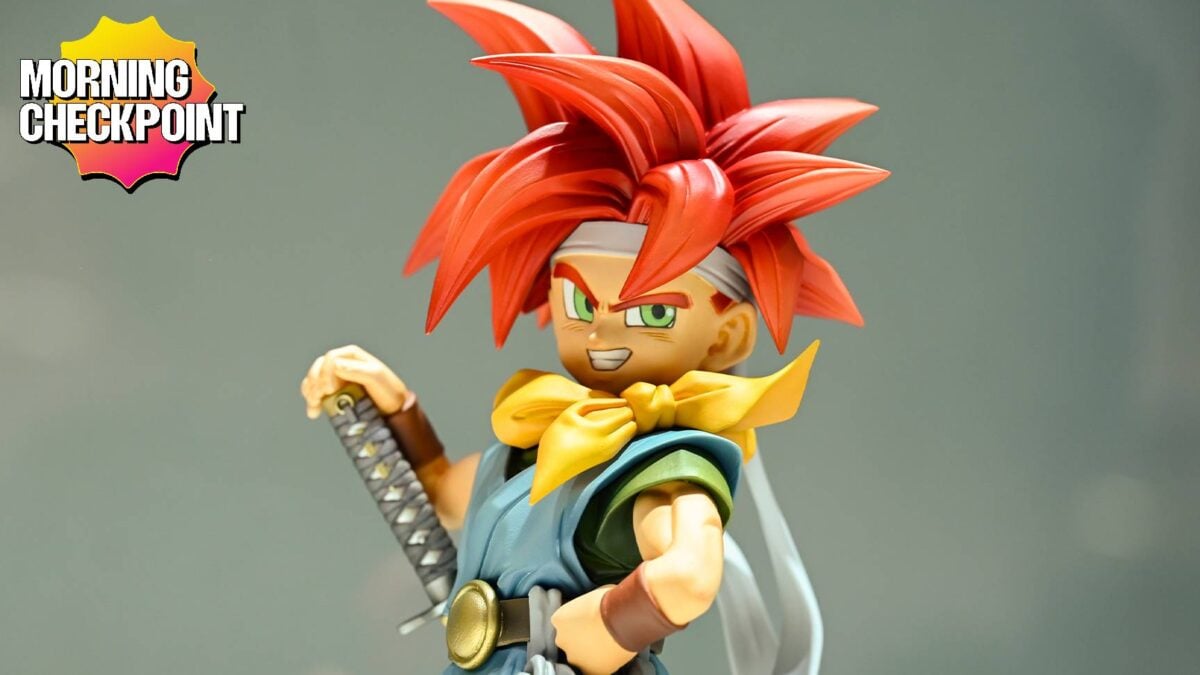
In a move that has simultaneously delighted and frustrated its fanbase, Square Enix has released a series of exquisitely detailed, premium statues of characters from the 1995 classic Chrono Trigger. The reveal, made on April 17, 2026, comes amidst years of fervent online campaigns and petitions from players begging for a modern, ground-up remake of the iconic role-playing game.
Key Facts
- Square Enix unveiled the new Bring Arts Kai statue line on April 17, 2026, featuring main characters Crono, Marle, and Lucca.
- The figures are 1/6 scale, stand approximately 30cm tall, and are priced at ¥38,500 (approx. $250 USD) each.
- Pre-orders opened immediately, with a scheduled release window of October–December 2026.
- The announcement was made via Square Enix’s official merchandise channels, not its game development divisions.
- This follows the company’s 2025 financial report, which emphasized a strategy of "strengthening intellectual property (IP) value" across multiple business segments, including merchandise.
- Chrono Trigger, originally released for the Super Nintendo in 1995, is co-owned by Square Enix and has never received a full, console-style remake, only ports and remasters.
- In related news, the long-stalled Gears of War film adaptation at Netflix was reported to have new scriptwriters attached, signaling continued but slow development.
Breaking It Down
Square Enix’s decision to launch high-end Chrono Trigger statues is a masterclass in leveraging nostalgia, but it also serves as a clear signal of the company's current commercial priorities. The Bring Arts Kai line is positioned as a collector's item, targeting the most dedicated—and financially committed—segment of the fanbase. This move extracts direct, high-margin revenue from the IP without the substantial risk, development time, and capital investment required for a AAA game remake. It is a safe, calculated play that keeps the IP in the public consciousness while fulfilling a corporate mandate to diversify revenue streams beyond game sales alone.
The statues carry a premium price tag of approximately $250 each, placing them firmly in the luxury collectibles market.
This pricing strategy is analytically significant. By targeting the high end of the market, Square Enix ensures strong profitability per unit sold from a smaller, guaranteed audience of superfans. This contrasts sharply with the economics of a full remake, which would require an investment of tens or hundreds of millions of dollars to appeal to a mass market of millions of players. The statue release is a low-risk, high-reward tactic that validates the enduring value of the Chrono Trigger IP while deliberately sidestepping the resource-intensive path fans are clamoring for.
The fan reaction has been predictably bifurcated. While collectors are celebrating the figures' quality and official status, a larger contingent views this as a deliberate provocation. For years, social media campaigns and fan projects have kept the demand for a remake at a fever pitch. Square Enix is acutely aware of this desire; the statue reveal is interpreted not as an alternative, but as a tacit acknowledgment that the company knows where the fervent interest lies, yet chooses to service it through merchandise. This dynamic underscores a modern tension in game publishing: the balance between honoring legendary titles with new content and monetizing them through lower-effort, ancillary products.
Furthermore, this tactic is consistent with Square Enix’s broader handling of its classic RPG library. The company has been aggressive in releasing pixel remasters and ports of its Final Fantasy and Dragon Quest catalogs. A full Chrono Trigger remake would arguably be a more monumental undertaking than a remaster, involving a complete graphical overhaul, potential rewrites, and voice acting—decisions that could alienate purists. The statue release allows Square Enix to have it both ways: it pays homage to the original, beloved character designs (the statues are based on Akira Toriyama's classic artwork) while avoiding the creative and financial pitfalls of reimagining the entire game.
What Comes Next
The immediate future for Chrono Trigger is one of collectibles, not coding. However, the statue release will serve as a key market test for Square Enix.
- Merchandise Sales Metrics (Q4 2026): The primary indicator Square Enix will watch is the pre-order and sell-through rate of the Bring Arts Kai statues. Strong sales will reinforce the company’s strategy of premium IP monetization and could lead to a second wave of figures featuring other party members like Frog, Robo, and Magus.
- The "Remake" Window (2027-2028): If a remake is ever in the cards, its announcement would logically follow a successful merchandise push. The 35th anniversary of Chrono Trigger in 2030 presents a major milestone. Any serious development would need to begin years in advance, making the period between late 2027 and 2029 a critical window to watch for any trademark renewals, domain registrations, or cryptic teases from Square Enix’s development teams.
- The Gears of War Parallel: The concurrent news about the Gears of War movie—alive but moving slowly—illustrates a similar trend. The next concrete step for that project will be the attachment of a director and the announcement of a production start date, which has yet to materialize after years in development hell.
- Square Enix’s Mid-Term Strategy Update: The company’s next major financial briefing will be scrutinized for any shift in language regarding its classic IP. A move from "strengthening IP" through merchandise to "revitalizing IP" through new content would be the first signal of a potential change in approach for titles like Chrono Trigger.
The Bigger Picture
This story is a microcosm of two dominant trends in the technology and entertainment sectors. First, the Nostalgia Economy is in full swing, with companies mining their back catalogs not just for easy re-releases, but for high-margin luxury goods. Premium statues, vinyl soundtracks, and artisan collaborations represent a shift from mass-market gaming to boutique fandom, where emotional attachment is directly monetized.
Second, it highlights the strategic De-risking of IP Development. In an era where AAA game development costs regularly exceed $200 million and take 5+ years, testing the waters with merchandise is a prudent financial buffer. It allows companies like Square Enix to gauge continued interest and fund potential future projects with lower-risk ventures. This extends to film and TV adaptations, as seen with Gears of War, where projects remain in "active development" for years as scripts are rewritten and financial models are adjusted, ensuring the IP is kept alive with minimal expenditure until the optimal moment for a major investment.
Key Takeaways
- Merchandise Over Remakes: Square Enix is currently prioritizing high-margin collectibles to monetize the Chrono Trigger IP, viewing it as a lower-risk alternative to a full-scale game remake.
- The Premium Nostalgia Market: The $250 price point targets a dedicated collector demographic, demonstrating a strategy to extract maximum value from a smaller, guaranteed audience of superfans.
- Fan Sentiment as a Known Quantity: The company is explicitly leveraging—and arguably teasing—the well-documented fan demand for a remake, using it to drive interest and sales for a different product category.
- Parallel Development Purgatory: The Gears of War movie news reinforces a broader industry trend where beloved IPs are kept in a state of prolonged, low-commitment development across media, with no guarantee of a major release.