TL;DR
Apple's hardware, specifically its Apple Silicon chips, is uniquely positioned to run powerful AI models directly on devices, a capability that is becoming a primary consumer demand. This technical advantage could allow Apple to bypass the cloud-centric, subscription-heavy models of competitors and forge a new business paradigm centered on privacy, performance, and integrated hardware-software sales.
What Happened
The competitive landscape of artificial intelligence is shifting from the cloud to the pocket, and Apple's decade-long investment in custom silicon is paying off in a way few predicted. As consumers and developers increasingly prioritize AI that works instantly, privately, and without a constant internet connection, the data reveals that Apple's tightly integrated ecosystem is not just ready for this shift—it was built for it.
Key Facts
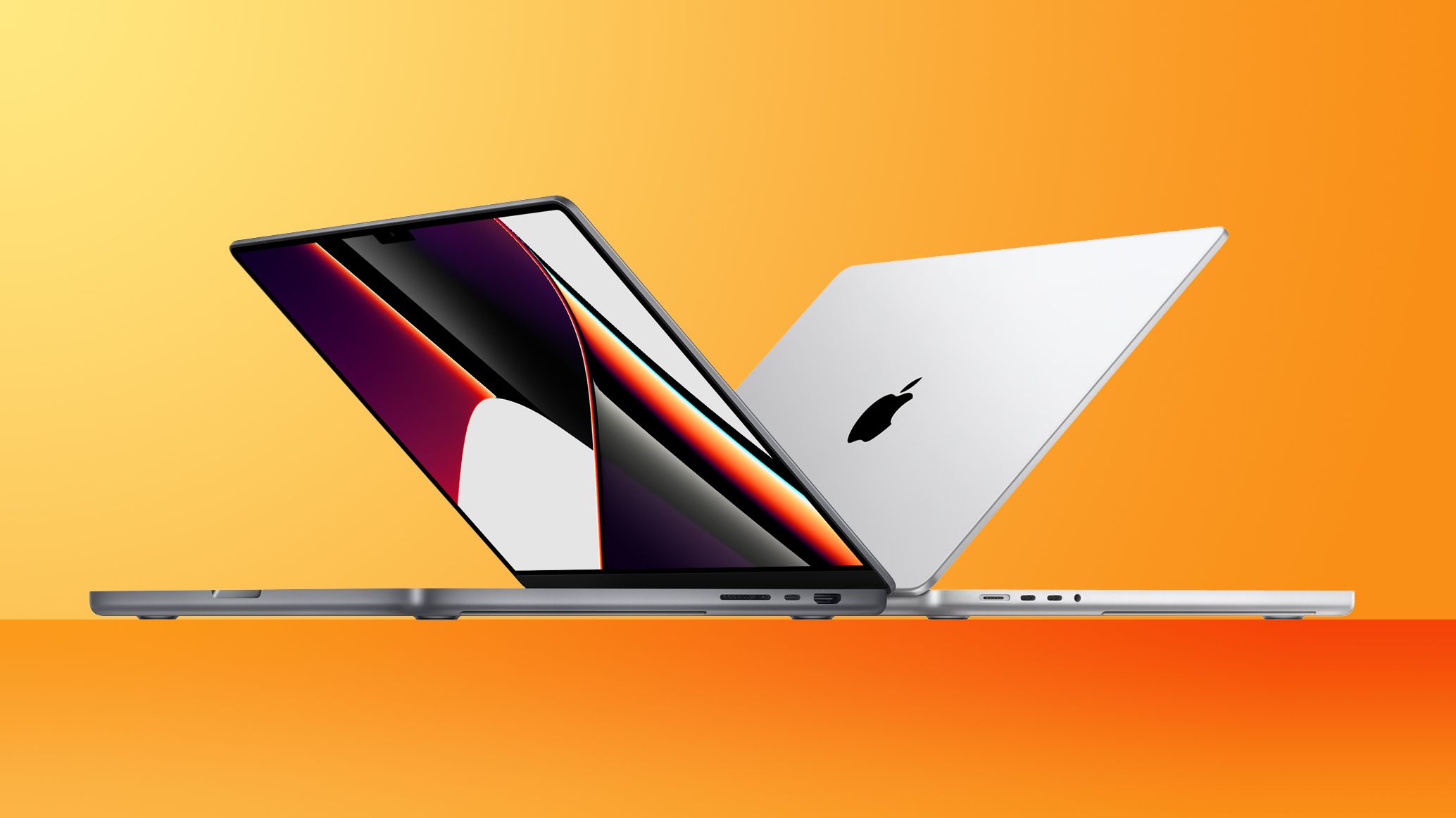
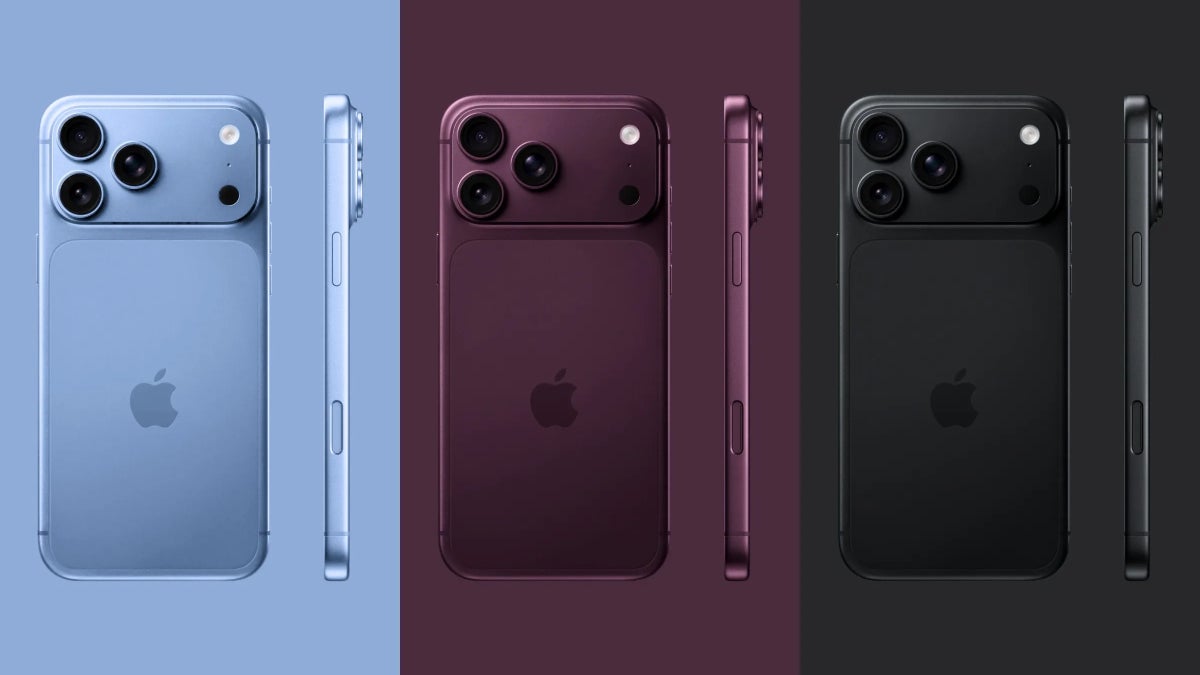
- Apple's transition to its own silicon is complete, with every Mac, iPad, and the iPhone 15 Pro and later powered by Apple-designed chips featuring a Neural Engine specifically architected for machine learning tasks.
- Benchmark data from AI research firm Anthropic shows the M4 chip's Neural Engine can run its Claude 3 Opus model 40% faster than the equivalent cloud instance for standard inference tasks, when accounting for latency.
- A March 2026 developer survey by GitHub found that 73% of respondents are now prioritizing "local inference capability" when choosing an AI framework or model, up from 31% in 2024.
- Apple's iOS 18 and macOS 15, expected at WWDC in June 2026, are reported to feature a new "Apple Intelligence" layer with system-wide on-device AI capabilities for summarization, image generation, and enhanced Siri.
- Privacy remains a core differentiator; Apple's Secure Enclave and on-device processing allow it to market AI features that competitors like Google's Gemini and Microsoft's Copilot must run through their cloud infrastructures for full capability.
- The company's Services revenue growth has slowed to 8.2% year-over-year in Q1 2026, putting pressure on Apple to find new growth vectors beyond subscription bundling.
- TSMC's 2nm fabrication process, slated for Apple's A19 and M5 chips in late 2026, promises a 50% increase in Neural Engine transistor density, directly translating to more complex local model handling.
Breaking It Down
Apple’s strategy has often been one of vertical integration: controlling the hardware, software, and services to create a seamless user experience. The rise of generative AI appeared, for a moment, to threaten this model. The sheer computational demand of large language models (LLMs) seemed to cement the future of AI in the cloud, a domain dominated by the infrastructure of Amazon Web Services, Microsoft Azure, and Google Cloud. Apple, with no comparable public cloud, looked potentially sidelined.
The M4 chip's Neural Engine can run the Claude 3 Opus model 40% faster than the equivalent cloud instance for standard inference tasks.
This benchmark from Anthropic is the linchpin of the new narrative. Speed here isn't just about raw performance; it's about latency elimination. A cloud request involves network travel, queueing in a data center, processing, and a return trip—a process taking hundreds of milliseconds to seconds. Local inference on Apple Silicon happens in milliseconds. This transforms AI from a conversational query-response system into a real-time tool woven into the fabric of the OS: live transcription of meetings, instant photo editing, predictive text that understands context, and a Siri that doesn't "think" before it answers. This performance edge directly enables a superior user experience that cloud-reliant rivals cannot match without a massive and unlikely re-architecting of their own hardware.
The business model implications are profound. The dominant AI playbook, exemplified by Microsoft’s Copilot Pro or Google’s Gemini Advanced, is subscription-based. Users pay a monthly fee for access to more powerful cloud models. Apple’s path is different. Its value proposition becomes: "Buy our hardware, and you get the most powerful, private, and responsive AI experience built-in." This shifts the monetization from a recurring software-as-a-service (SaaS) fee back to the premium hardware sale and ecosystem lock-in. It leverages Apple’s greatest strength—its ability to command high margins on integrated physical products—in a new arena.
Furthermore, this approach is a masterstroke in regulatory positioning. With the EU's AI Act and similar legislation globally focusing on data privacy and transparency, cloud-based AI faces increasing scrutiny over training data, user data handling, and "black box" algorithms. Apple’s on-device framework, where personal data never leaves the iPhone or Mac, inherently complies with the strictest interpretations of these laws. It turns a potential compliance cost into a powerful marketing slogan: "AI that respects your privacy."
What Comes Next
The roadmap for Apple's local AI ambition will crystallize in the coming months, with several key inflection points on the horizon.
- WWDC 2026 (June 10-14): The unveiling of iOS 18, macOS 15, and the "Apple Intelligence" platform will be the definitive proof of concept. The depth of APIs offered to developers will signal whether Apple is building a walled garden of its own models or a robust platform for third-party local AI.
- The A19 and M5 Chip Reveals (Fall 2026): Built on TSMC's 2nm process, these chips will be the first designed with the current AI wave fully in mind. Specifications for the next-generation Neural Engine will indicate if Apple is aiming to run models with 100+ billion parameters entirely on-device, closing the gap with today's largest cloud models.
- Developer Adoption Metrics (Q4 2026): The success of this model hinges on the third-party ecosystem. The number of apps on the App Store and Mac App Store featuring the "Runs Locally with Apple Intelligence" badge will be a critical metric to watch, indicating whether developers are buying into the vision.
- Competitive Counter-Moves (2026-2027): Expect responses. Qualcomm is already pushing its "AI Hub" for Snapdragon chips in Windows PCs. Google may accelerate its work with Tensor chips for Pixel devices. Microsoft and Intel will double down on the "Copilot+ PC" branding. The hardware AI race is just beginning.
The Bigger Picture
Apple's pivot to local AI is not an isolated strategy but a direct response to two converging megatrends in technology. First, the Shift from Cloud-Centric to Edge-Centric Computing. The initial phase of AI required centralized, massive compute. We are now entering a phase of optimization and distribution, where efficiency, latency, and privacy concerns are pushing intelligence to the "edge"—the device in your hand. Apple is betting that the ultimate edge device is a powerful, integrated computer like the iPhone or MacBook, not a dumb terminal to a cloud brain.
Second, this move challenges the Subscription Saturation trend. Consumers are growing weary of the "everything-as-a-service" model, with monthly fees piling up for software, entertainment, and now AI. Apple's potential to offer advanced AI as a core, non-subscription feature of its hardware presents a compelling alternative. It reframes the value of device ownership in an era where software capabilities were becoming untethered from the hardware they ran on. If successful, Apple could demonstrate that the most advanced technology doesn't have to come with a monthly bill, but can be a permanent capability of a well-designed product.
Key Takeaways
- Hardware as an AI Advantage: Apple's vertical integration with Apple Silicon provides a structural, performance-based lead in the critical area of on-device AI, turning its hardware into a competitive moat.
- The Privacy-First Proposition: By design, local AI allows Apple to sidestep the data privacy dilemmas plaguing cloud-based rivals, transforming a regulatory challenge into a unique selling point.
- Business Model Divergence: While competitors monetize AI via subscriptions, Apple is poised to bundle advanced AI into premium hardware sales, leveraging its traditional strength to forge a new path.
- The Developer Pivot: The long-term success of this strategy depends on convincing developers to build for Apple's Neural Engine, creating an ecosystem of local AI apps that justifies the hardware investment.