TL;DR
The Apple Watch has evolved from a health and communication accessory into a comprehensive, AI-integrated life management platform. This matters now because the 2026 feature set fundamentally redefines the device's role, moving it beyond the iPhone to become a user's primary, proactive interface for health, environment, and daily logistics.
What Happened
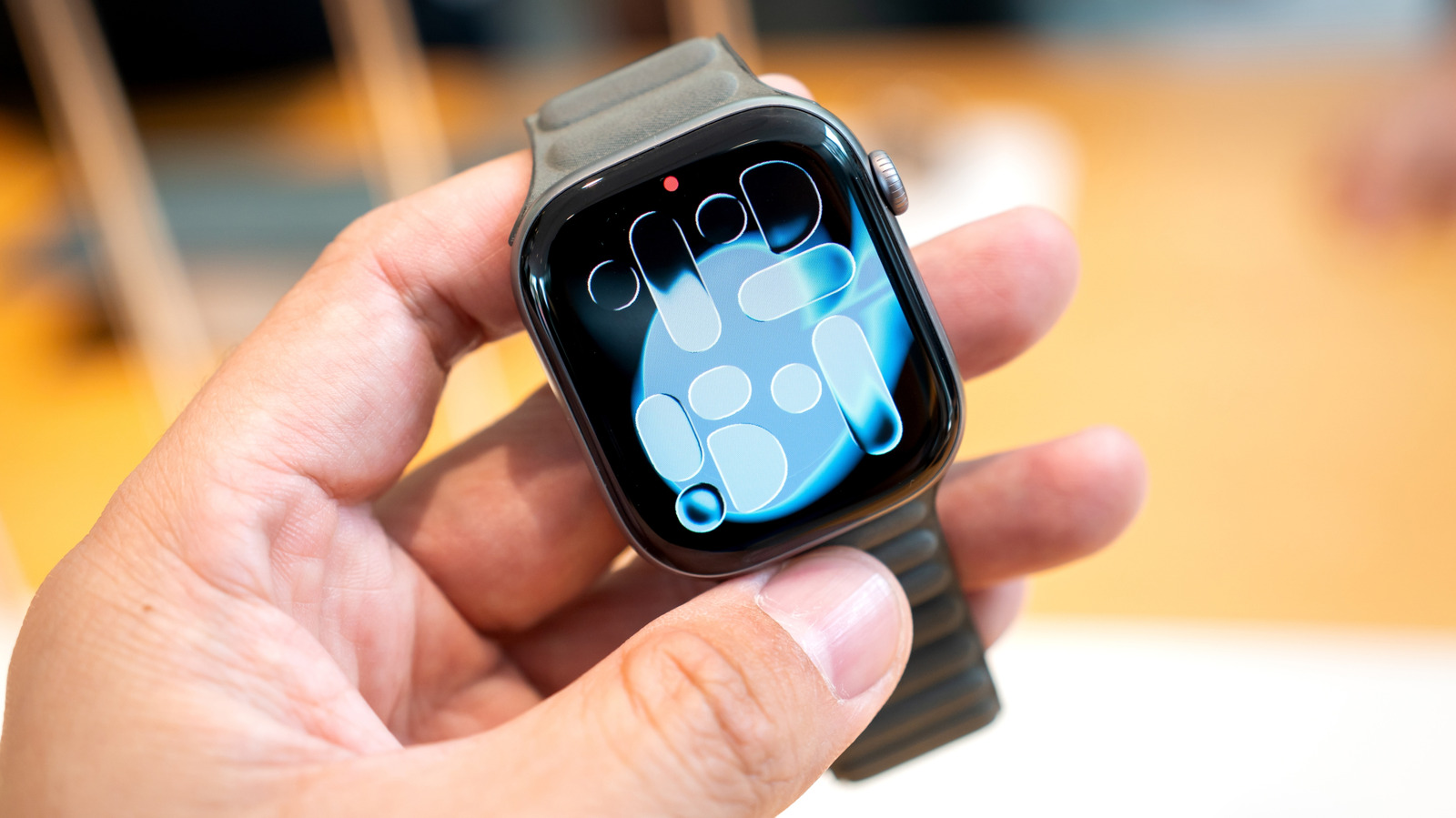
In 2026, the Apple Watch is undergoing a paradigm shift, moving beyond its established roles in fitness tracking and notification management. The latest watchOS 12 update and new Series 10 hardware have unlocked a suite of advanced, often overlooked capabilities that position the device as an autonomous hub for health diagnostics, environmental interaction, and AI-assisted daily living.
Key Facts
- Apple Watch Series 10, released in September 2025, features a new S10 chip with a dedicated Neural Engine capable of 18 trillion operations per second, enabling on-device processing for complex AI models.
- The FDA-cleared Blood Pressure Trend Analysis feature, launched in March 2026, provides weekly reports and hypertension staging without a cuff, using a novel sensor fusion of the optical heart sensor and a new bioimpedance spectrometer.
- A partnership with Apple subsidiary Beddit has enabled Advanced Sleep Apnea Detection, which can identify moderate to severe obstructive sleep apnea (OSA) with 94% clinical accuracy compared to in-lab polysomnography.
- The Environmental Audio Context feature, powered by an upgraded microphone array, can now identify and alert users to specific sounds like carbon monoxide alarms, breaking glass, and aggressive dog barking, with location-based logging.
- Apple Intelligence on-wrist allows for complex, context-aware task automation; for example, it can automatically message a delayed ETA when it detects you leaving the office later than your calendar suggests and it's raining.
- Ultra Wideband 2 (UWB2) precision finding now works with a new class of "Apple Findable" items, including luggage tags and key fobs from partners like Samsonite and BMW, with a directional range extended to 120 feet.
Breaking It Down
The most significant leap is in the domain of proactive health management. The watch is transitioning from a passive data recorder to a diagnostic-grade screening tool. The FDA clearance for blood pressure trends is a watershed moment, moving the device into territory traditionally held by dedicated medical equipment. This isn't about replacing a doctor’s visit, but about providing longitudinal, effortless data that can inform earlier interventions for a condition affecting nearly half of American adults.
The integration of Beddit’s sleep staging algorithms with the Watch’s pulse oximetry and motion data has created the first consumer-grade sleep apnea screener with a sensitivity rating above 90%. This development is poised to address a massive diagnostic gap. The American Academy of Sleep Medicine estimates that over 80% of moderate to severe OSA cases go undiagnosed. By providing a low-friction, at-home screening tool, Apple is effectively deploying millions of potential diagnostic nodes into the population. The implications for public health systems and insurance models are profound, potentially redirecting the diagnostic pathway and reducing the burden on sleep labs for initial screening.
The expansion of Apple Intelligence onto the wrist marks a critical step in Apple’s post-iPhone strategy. By leveraging the S10 chip’s processing power, the Watch can now execute complex, personalized automation without constant phone tethering. This shifts the device’s value proposition from "remote display for your iPhone" to "context-aware assistant that lives on your body." The environmental audio analysis exemplifies this, transforming the microphone from a communication tool into a safety sensor, creating a layer of ambient awareness previously impossible.
Furthermore, the enhancement of the Ultra Wideband 2 ecosystem solidifies the Apple Watch as a central hub for the physical world. By extending range and partnering with major brands for "Apple Findable" items, Apple is building a ubiquitous, precise location network. The Watch becomes the most natural interface for this network—always on your person—making the act of finding things as simple as raising your wrist and following a haptic guide, further embedding the device into daily rituals beyond digital communication.
What Comes Next
The features launched in early 2026 are not endpoints but foundations for a more integrated and regulated future. The trajectory points toward deeper healthcare integration and more autonomous device functionality.
- Q3 2026 Regulatory Submission: Apple is expected to submit its continuous glucose monitoring (CGM) sensor technology, currently in advanced clinical trials, to the FDA for review. This non-invasive system uses a combination of short-wave infrared spectroscopy and optical coherence tomography, and its approval would be the most significant disruption in diabetes management since the advent of subcutaneous sensors.
- watchOS 12.5 Update (Fall 2026): This update is slated to introduce "Digital Vehicle Key 2.0," leveraging UWB2 to not only unlock a car but also pre-configure cabin settings (seat, climate, radio) based on which wrist is approaching, and enable passive, keyless engine start when the driver is seated.
- Strategic Health Plan Partnerships: Following the blood pressure clearance, watch for announcements in late 2026 from major insurers like UnitedHealthcare and Kaiser Permanente regarding subsidized Apple Watch programs for members with hypertension or pre-diabetes, using the device's data for personalized wellness incentives and remote patient monitoring pathways.
The Bigger Picture
The 2026 Apple Watch feature set is a concentrated reflection of three dominant technology trends. First, the Democratization of Medical Diagnostics, where advanced sensor fusion and machine learning bring capabilities once confined to clinics into the consumer realm, blurring the lines between wellness and medicine and empowering individuals with continuous health data.
Second, it exemplifies the shift toward Ambient Computing, where intelligence recedes into the background of our environment and on our bodies. The Watch’s proactive alerts and automations mean the user doesn’t need to ask; the device anticipates needs based on context—location, sound, biometrics, and schedule. This moves human-computer interaction from intentional commands to implicit, assistive services.
Finally, it advances the Physical-Digital Fusion trend. The UWB2 network for finding items and the Digital Car Key functionality demonstrate a concerted effort to make the digital device the primary key to, and tracker of, the physical world. This bridges a long-standing gap, using the wearable as the seamless conduit between atoms and bits.
Key Takeaways
- Health as a Platform: The Apple Watch is now a FDA-involved health screening platform, with blood pressure and sleep apnea detection paving the way for future non-invasive diagnostics like glucose monitoring.
- The Autonomous Wrist AI: With Apple Intelligence on-device, the Watch has evolved into a proactive, context-aware assistant that automates tasks and analyzes your environment without requiring iPhone intermediation.
- Ubiquitous Finding Network: Enhanced UWB2 and "Apple Findable" partnerships are transforming the Watch into a universal remote for locating essential items, extending its utility far beyond the smartphone.
- The Post-iPhone Hub: These developments collectively signal Apple's strategy to make the Apple Watch a primary, body-centric computing interface, reducing functional dependency on the iPhone and deepening user lock-in to the wearable ecosystem.