TL;DR
Teresa Giudice's dramatic facial transformation, documented across 14 seasons of reality television, has become a focal point for public discourse on cosmetic technology and its societal pressures. This matters now as her new look coincides with a pivotal moment in her career and personal life, sparking a wider conversation about authenticity, aging, and the normalization of advanced aesthetic procedures.
What Happened
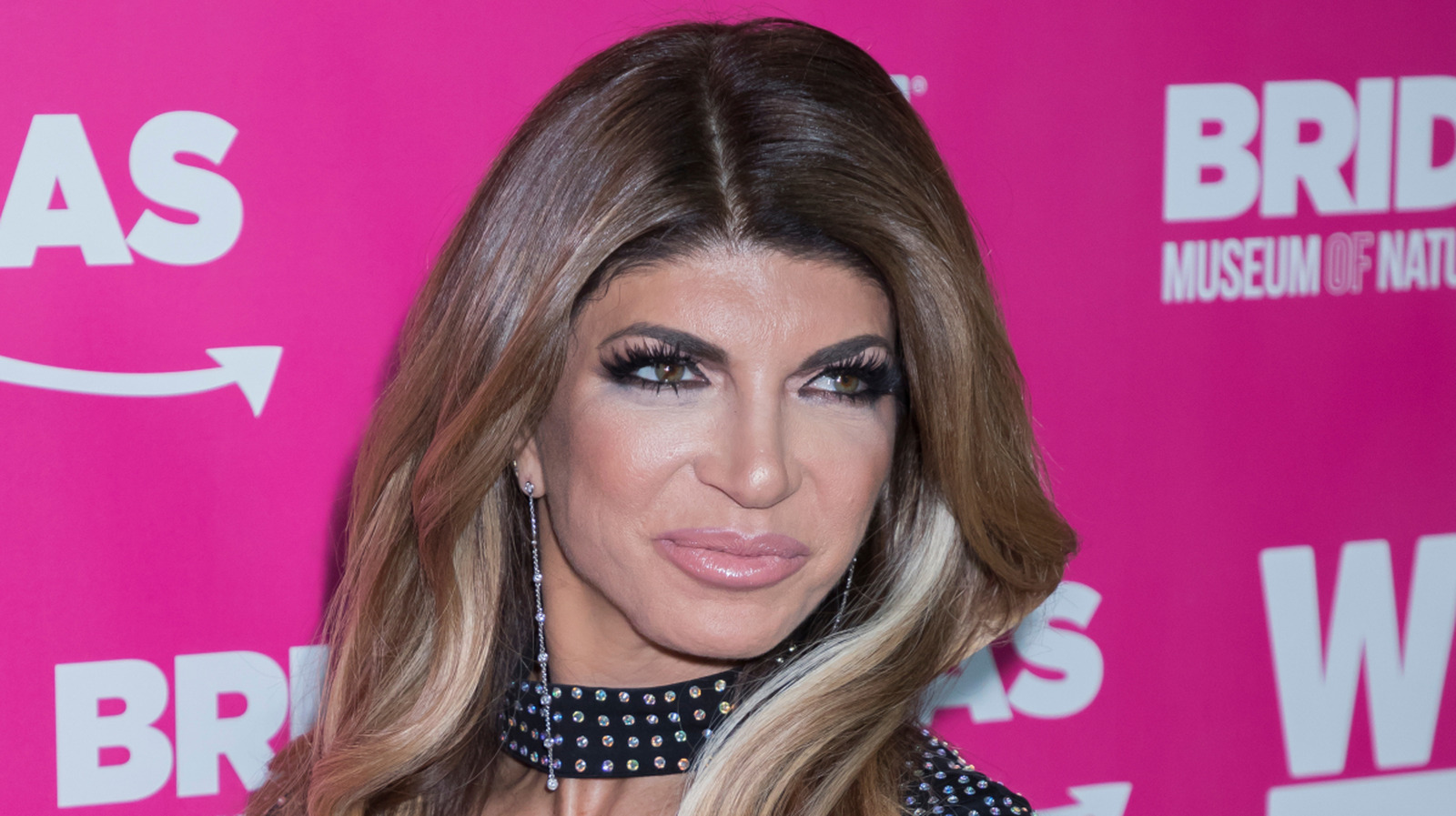
The release of promotional material for "The Real Housewives of New Jersey" Season 14 has ignited a fresh wave of scrutiny over star Teresa Giudice's dramatically altered appearance. Side-by-side comparisons of Giudice from her 2009 debut to the present day have gone viral, with fans and critics alike labeling the transformation "jarring" and a testament to the powerful, and sometimes stark, results of modern cosmetic enhancement.
Key Facts
- The transformation of Teresa Giudice has been documented over 14 seasons of Bravo's "The Real Housewives of New Jersey," providing a public, longitudinal case study.
- Public analysis points to a suite of potential procedures including rhinoplasty (nose job), significant buccal fat removal, cheek and lip fillers, and a facelift or thread lift.
- Giudice's new look debuted prominently in 2026, during promotional events for the show's new season and her concurrent ventures in media and publishing.
- The discussion is primarily fueled by social media platforms like Instagram and TikTok, where side-by-side comparison videos have garnered millions of views.
- While Giudice has openly discussed some procedures like her rhinoplasty, she has not provided a comprehensive account of all the work done, leaving room for public speculation.
- The conversation extends beyond Giudice to the broader "Real Housewives" franchise, where cosmetic enhancement is a prevalent and often-discussed theme.
- This personal event intersects with a booming global aesthetic medicine market, projected to exceed $100 billion by 2030.
Breaking It Down
Teresa Giudice’s journey from a recognizable reality TV personality to a figure whose face generates its own news cycle is a direct product of the convergence of reality television, social media, and accessible cosmetic technology. Her life has been a public commodity since 2009, making every incremental change a subject for audience consumption. Unlike celebrities who can control their narrative through staged photoshoots and films, Giudice’s appearance is documented in high-definition, unscripted moments—from heated arguments to vulnerable confessions—creating an unparalleled archive of her aesthetic evolution. This has transformed her face from a personal attribute into a communal text, analyzed and debated by millions.
The discourse around Giudice is less about aging and more about a perceived shift in identity, questioning the point at which enhancement alters the fundamental recognizability of a public figure.
This strikes at the core of the unease surrounding her transformation. Fans often form parasocial relationships with reality stars, feeling they "know" them. A drastic change can feel like a breach of that unspoken contract, provoking reactions that range from concern to betrayal. The analysis is not merely clinical but deeply personal for the audience. It raises ethical questions about the pressure put on women in the public eye to pursue ever-more-extreme procedures to remain relevant, and the subsequent criticism they face for doing so. Bravo and the reality TV ecosystem profit from this cycle, leveraging the drama of personal transformation—whether emotional or physical—for ratings.
The technical analysis of her likely procedures reveals a shift from the "overfilled" look popular in the early 2010s to the current trend of "structural enhancement." Procedures like buccal fat removal and strategic filler placement aim to create a sculpted, high-cheekboned look that reads as both youthful and sophisticated on camera. This is not a haphazard collection of treatments but a likely curated plan by a top-tier aesthetic practitioner, reflecting the industry's move toward holistic facial balancing. However, the result on Giudice is perceived by many as discordant, highlighting a critical gap between surgical intention and public reception—a gap widened by filters and edited social media photos that set unrealistic expectations for real-world outcomes.
What Comes Next
The fallout and trajectory from this moment of public scrutiny will unfold across several concrete fronts, with Giudice’s choices and the public’s reaction setting the stage for the next chapter.
- Giudice’s Narrative Control: The primary event to watch is whether Teresa Giudice directly addresses the commentary in the upcoming season of RHONJ or on her social media. She may choose to ignore it, dismiss it as bullying, or, as she has with her nose job, offer a partial explanation. A full, transparent breakdown is unlikely but would be a seismic event in celebrity culture.
- The Franchise’s Response: Bravo’s production and editing choices will be telling. Will the show incorporate the public’s reaction into storylines, perhaps through comments from other cast members? Or will it treat her appearance as a non-subject, thereby normalizing it? The network’s approach will signal its stance on the increasingly modified looks of its stars.
- Commercial Impact: Giudice’s marketability is now intertwined with her new image. The performance of her 2026 book releases, sponsored social media content, and any new business ventures will be a tangible metric of whether this transformation harms or enhances her brand. Advertisers and publishers will be watching engagement metrics closely.
- The Next Viral Transformation: This event has set a new benchmark for public analysis. The next major aesthetic shift by a high-profile reality star—perhaps from the "Real Housewives of Beverly Hills" or "Selling Sunset" franchises—will inevitably be compared to the "Giudice Effect," with commentators asking if it surpasses her transformation in scale or public reaction.
The Bigger Picture
Teresa Giudice’s face is a case study in two dominant technological and cultural trends. First, the Democratization and Normalization of Cosmetic Procedures. What was once the secretive domain of the ultra-wealthy is now marketed directly to consumers via social media. Non-invasive treatments are billed as "lunchtime procedures," and payment plans make them accessible. Giudice’s very public journey contributes to this normalization, presenting extensive work not as an aberration but as an option within the spectrum of personal grooming.
Second, her story is inseparable from the Filter-to-Reality Pipeline. For over a decade, Giudice and her audience have been conditioned by beauty filters that smooth skin, reshape jawlines, and enlarge eyes. These digital alterations create a new aesthetic ideal that is physically unattainable without surgical intervention. Many cosmetic procedures are now explicitly sought to mimic filter effects. Giudice’s transformation can be seen as an attempt to render a filtered look permanent, a physical manifestation of the digital identity she has cultivated online. This blurs the line between digital avatar and physical self, with profound implications for body image and self-perception.
Key Takeaways
- [Reality TV as a Public Archive]: Long-running reality series provide an involuntary, high-definition record of cosmetic evolution, forcing a public conversation that traditional celebrities can often avoid.
- [The Parasocial Breach]: Drastic physical changes in a reality star can rupture the audience's sense of familiarity and connection, provoking emotional responses that go beyond aesthetic critique.
- [Structural Enhancement Trend]: Modern procedures aim for a sculpted, lifted look via bone-centric techniques like buccal fat removal, moving past the era of simple volume addition.
- [Market-Driven Transformation]: In the influencer economy, a celebrity's face is a key asset; alterations are often strategic business decisions influenced by camera requirements and brand alignment.