TL;DR
inXile Entertainment has revealed new details about Clockwork Revolution, a time-bending first-person action RPG set in the steampunk city of Avalon, where player choices trigger cascading "butterfly effects" that rewrite history. This matters now because it signals a major shift toward narrative-driven, reactive world design in AAA gaming, challenging the industry's current focus on open-world scale over consequence.
What Happened
On June 7, 2026, inXile Entertainment dropped a bombshell on Xbox Wire, unveiling that Clockwork Revolution is not merely a steampunk shooter but a time-bending action RPG where every bullet fired and every conversation had can literally rewrite the city of Avalon's past, present, and future. The announcement detailed a cast of "unforgettable characters" and a world that "reacts deeply" to player actions, positioning the title as a potential genre-defining experience for the Xbox ecosystem.
Key Facts
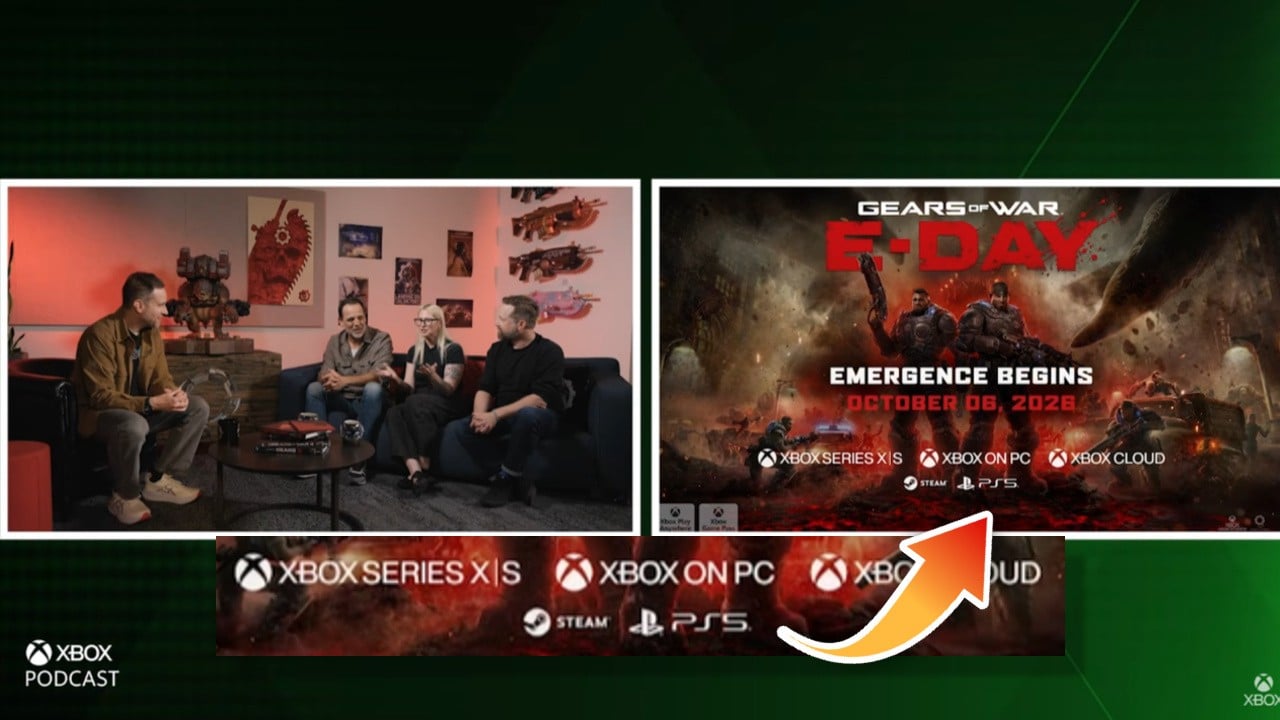
- inXile Entertainment, the studio behind Wasteland 3 and The Bard's Tale IV, is developing Clockwork Revolution exclusively for Xbox Series X|S and PC, with no PlayStation release announced.
- The game is a first-person action RPG set in the steampunk metropolis of Avalon, a city powered by clockwork machinery and Victorian-era technology.
- Players wield a time-manipulation device that allows them to alter past events, creating "butterfly effects" that ripple through the narrative and environment.
- The world of Avalon is described as "deeply reactive" to player choices, with consequences that can change character allegiances, quest outcomes, and even the city's physical layout.
- The announcement comes seven years after inXile was acquired by Microsoft in 2018 as part of a wave of studio purchases to bolster Xbox Game Studios.
- The game was first teased in June 2023 during the Xbox Games Showcase, but this is the first substantive detail drop since then, suggesting development has reached a major milestone.
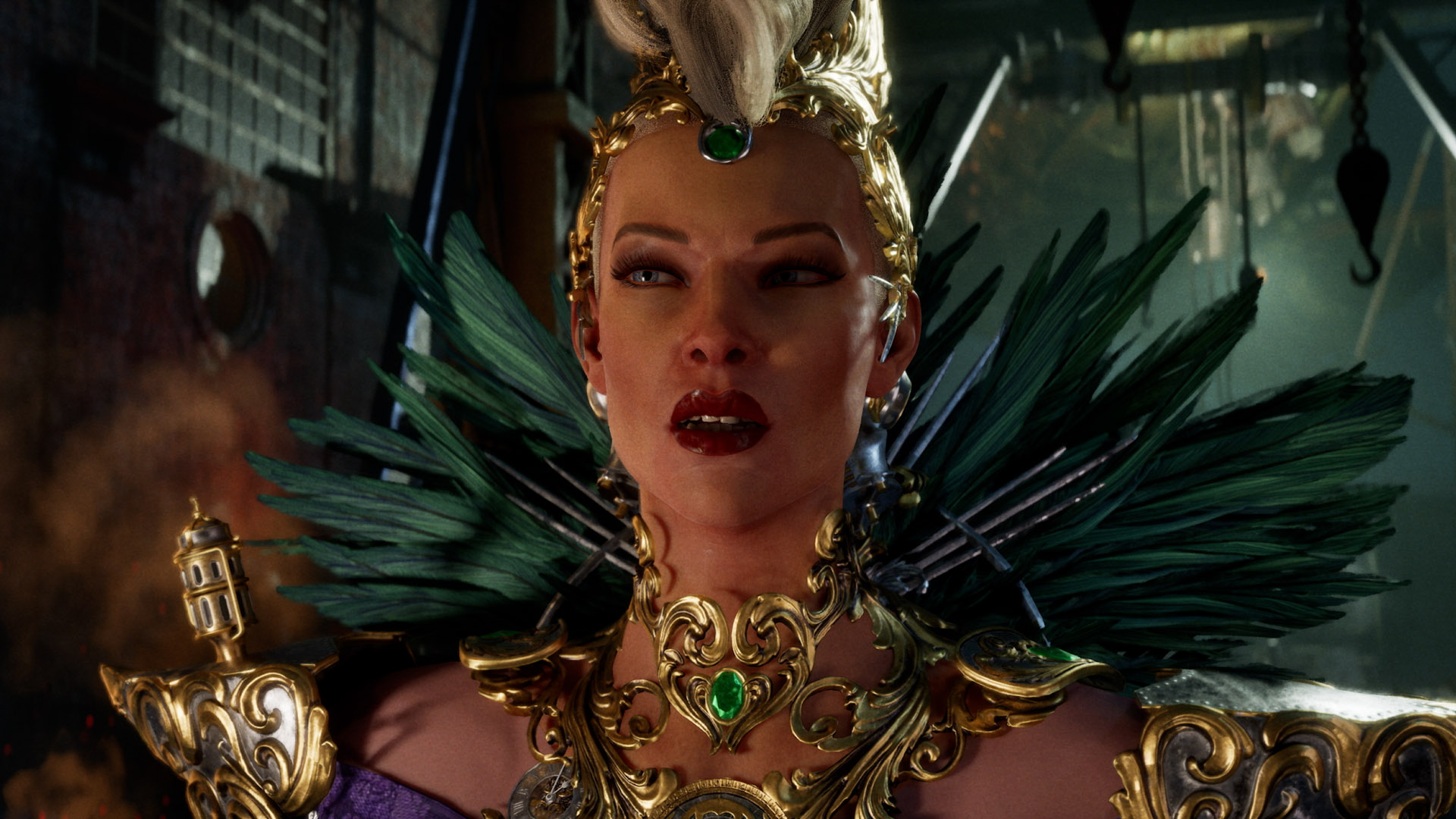
- inXile has confirmed a "cast of unforgettable characters," hinting at a narrative-heavy experience with branching dialogue and multiple endings, a hallmark of the studio's previous RPGs.
Breaking It Down
The core innovation of Clockwork Revolution lies not in its steampunk aesthetic—which is visually striking but not unprecedented—but in its narrative architecture. inXile is promising a system where player actions in one timeline can fundamentally alter the state of Avalon in another. This is a far cry from the binary "good/evil" choices of most modern RPGs; instead, it suggests a web of causal relationships where a single decision—saving a minor NPC, destroying a clockwork factory, or altering a historical document—can spawn entirely new quest lines, close off others, and reshape the city's political landscape.
"The world reacts deeply to every action" is not just marketing copy—it implies a simulation-level complexity rarely seen in first-person RPGs. For context, Dishonored's chaos system changed enemy density and dialogue, but Clockwork Revolution appears to aim for full narrative branching on a scale comparable to The Witcher 3 or Disco Elysium, but with the added dimension of temporal manipulation. If inXile pulls this off, it could set a new standard for player agency in the genre.
The time-bending mechanic also raises intriguing design challenges. Most games that toy with time—Prince of Persia: The Sands of Time, Life is Strange, Braid—use it as a puzzle or story gimmick. inXile is attempting to weave it into the core RPG loop: character progression, faction reputation, and world state. This means the developers must create a system that tracks not just what the player did, but when they did it, and how that interacts with a branching timeline. The technical overhead is enormous, which likely explains the three-year development gap between the initial teaser and today's details.
Another key factor is Microsoft's investment. inXile was acquired specifically to deliver narrative-driven RPGs that complement The Elder Scrolls and Fallout from Bethesda. Clockwork Revolution is the studio's first major original IP under Microsoft, and its success or failure will shape Xbox's reputation for premium single-player experiences in a market increasingly dominated by live-service games. The fact that Microsoft allowed inXile to take years to refine this concept suggests a long-term bet on quality over speed.
What Comes Next
The immediate question is when players will actually get their hands on Clockwork Revolution. Based on the detail drop, here are the key developments to watch:
- Release Window: Expect a 2027 launch target. The June 2026 detail drop suggests a late-stage development cycle, but the complexity of the time-manipulation systems may require additional polish. An announcement during Summer Game Fest 2026 or Xbox Games Showcase 2026 is likely, with a specific date.
- Gameplay Reveal: The Xbox Wire post is text-heavy. Watch for a 15–20 minute gameplay trailer at an upcoming Xbox event, likely showing the butterfly effect in action—e.g., a player saving a factory worker in 1885 and seeing a new faction emerge in 1900.
- Beta or Preview Program: Given Microsoft's recent push for Game Pass previews, a closed beta for Game Pass subscribers could arrive in late 2026 to stress-test the narrative branching and time mechanics.
- Platform Exclusivity Details: While currently listed as Xbox Series X|S and PC, Microsoft may later announce a cloud streaming version for Xbox One or mobile devices via xCloud, expanding the potential player base without native ports.
The Bigger Picture
Clockwork Revolution sits at the intersection of two major industry trends: Narrative Reactivity and Temporal Gameplay Mechanics. On the narrative front, studios like Larian Studios (Baldur's Gate 3) and CD Projekt Red (Cyberpunk 2077: Phantom Liberty) have proven that deep, branching storytelling drives commercial success and critical acclaim. inXile is betting that adding a time-travel dimension will differentiate Clockwork Revolution in a crowded market where most RPGs still rely on linear quest structures.
The second trend is Microsoft's strategic pivot toward premium single-player content after years of chasing live-service hits like Halo Infinite and Sea of Thieves. Clockwork Revolution, alongside Avowed from Obsidian and The Outer Worlds 2, represents a concerted effort to rebuild Xbox's reputation for story-driven blockbusters that can compete with Sony's The Last of Us and God of War franchises. If successful, it could also validate Microsoft's controversial acquisition spree, proving that giving studios creative freedom—and time—yields results.
Key Takeaways
- [Narrative Innovation]: Clockwork Revolution promises a "butterfly effect" system where time manipulation creates cascading consequences, potentially setting a new benchmark for player agency in first-person RPGs.
- [Microsoft's Bet]: The game is a flagship title for Xbox Game Studios, representing a multi-year investment in narrative depth over live-service monetization, with no PlayStation release planned.
- [Development Timeline]: After a 2023 teaser and a 2026 detail drop, the game is likely targeting a 2027 release, with a gameplay reveal expected at the next Xbox showcase.
- [Genre Pressure]: Success could cement inXile as a top-tier RPG developer; failure would reinforce skepticism about Microsoft's ability to deliver polished, ambitious single-player exclusives.