TL;DR
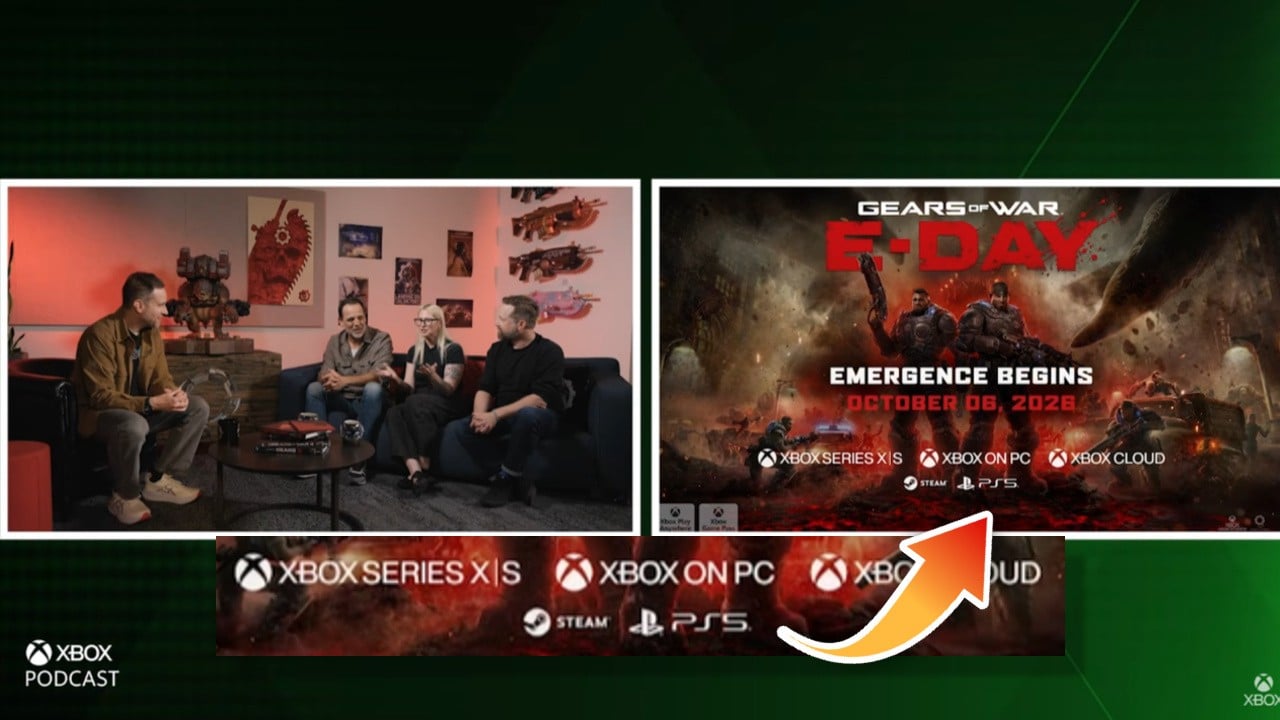
Xbox Game Studios head Matt Booty has confirmed that exclusive games remain a "critical pillar" of Xbox's strategy going forward, directly addressing community concerns about the platform's multiplatform pivot. This matters now because Xbox has spent 2024–2026 porting several former exclusives to PlayStation and Nintendo Switch, creating uncertainty among its core fanbase about the future of the Xbox ecosystem.
What Happened
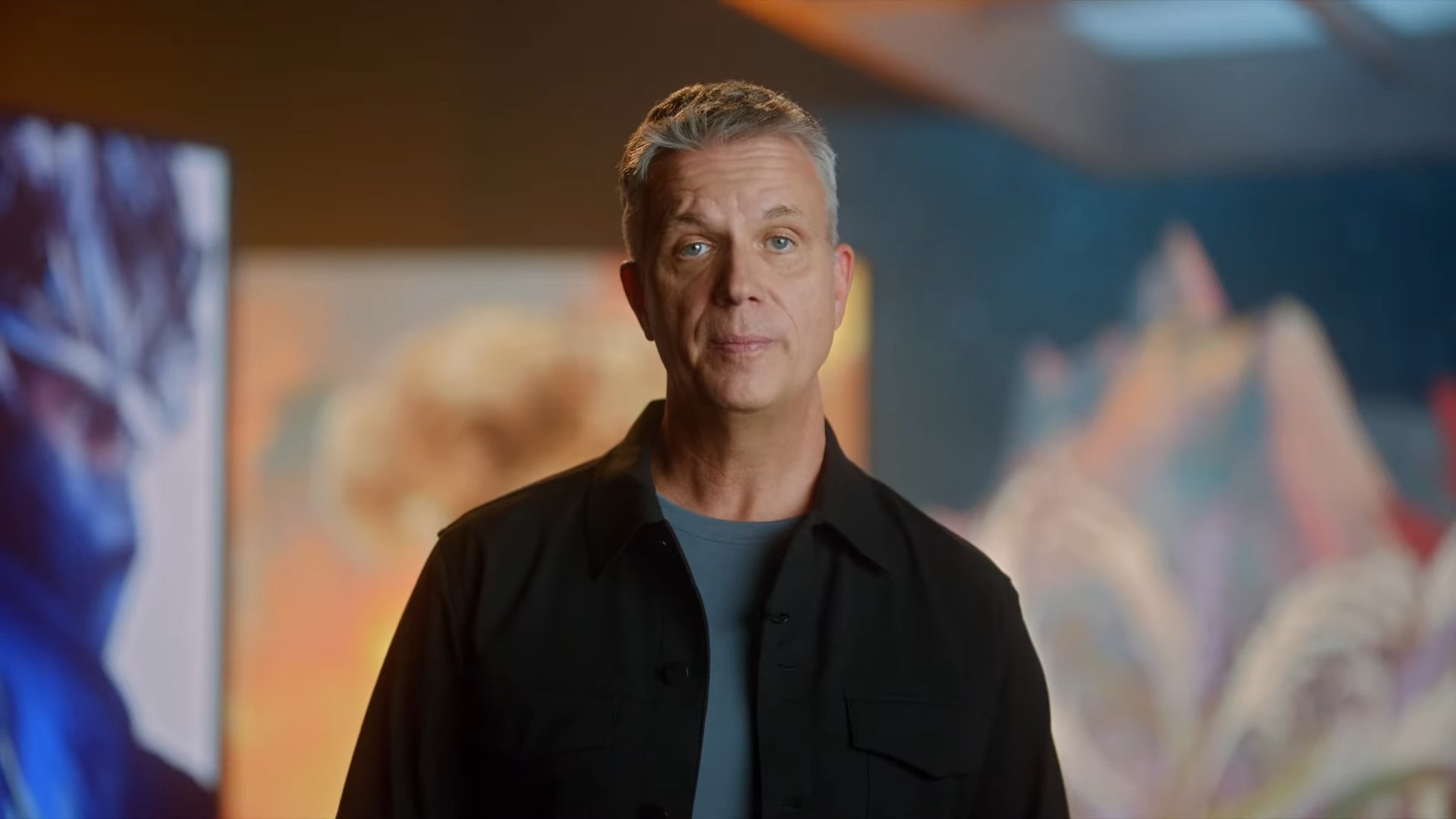
In a candid interview with Pure Xbox published Sunday, June 7, 2026, Matt Booty, head of Xbox Game Studios, explicitly stated that "we know exclusives are important" and laid out a revised framework for how Microsoft will balance exclusive titles with its recent multiplatform releases. The statement comes after 18 months of Xbox shipping major games like Starfield, Hi-Fi Rush, and Sea of Thieves to PlayStation 5 and Nintendo Switch, a strategy that had left many Xbox loyalists questioning whether the brand would maintain any exclusive differentiation.
Key Facts
- Matt Booty stated that Xbox will maintain a "cadence of at least two major exclusive releases per year" starting in 2027.
- Booty confirmed that Bethesda's The Elder Scrolls VI remains a "console exclusive" for Xbox and PC, with no current plans for a PlayStation release.
- The executive acknowledged that 2024–2026 saw "more ports than originally planned" due to the Activision Blizzard acquisition integration.
- Booty revealed that new IPs from studios like Obsidian Entertainment and Ninja Theory will launch as exclusives first, with potential multiplatform ports considered "no sooner than 12–18 months after launch."
- The interview explicitly referenced "games as a service" titles like Sea of Thieves and Fallout 76 as "exceptions" that benefit from larger player populations across platforms.
- Booty noted that Game Pass subscriptions grew by 23% in the six months following the Starfield PlayStation port, suggesting exclusivity is not the sole driver of subscriber growth.
- The executive declined to comment on whether Call of Duty would ever become an Xbox exclusive, reaffirming existing contractual obligations with PlayStation.
Breaking It Down
Booty's interview represents the most explicit acknowledgment yet that Microsoft's multiplatform experiment has created a brand identity crisis. For three decades, console exclusives have been the primary reason consumers choose one platform over another. When Xbox began shipping its biggest titles to competing platforms in 2024, it effectively told its hardware customers that their loyalty was optional. The 23% Game Pass growth following the Starfield port is a revealing data point: it suggests that putting games on other consoles actually drives subscription revenue on Xbox, because the games themselves become more culturally visible and more players eventually join the ecosystem.
"Two major exclusive releases per year" — this figure is the critical number in Booty's entire interview. For context, Sony Interactive Entertainment averages roughly 4–5 major exclusives annually across its first-party studios. Nintendo typically delivers 3–4. By committing to just two, Xbox is implicitly admitting that it cannot match its competitors' output, and is instead betting that quality and Game Pass integration will compensate for lower volume.
The 12–18 month exclusivity window for new IPs is perhaps the most strategically significant detail. This mirrors the approach taken by Sony with games like Horizon Zero Dawn and God of War on PC, but Sony has never ported its tentpole franchises to Xbox consoles. Microsoft's willingness to eventually bring new IPs to PlayStation and Switch suggests a fundamental philosophical difference: Xbox sees its exclusive games as temporary marketing tools for its ecosystem, while Sony and Nintendo treat theirs as permanent platform differentiators. This creates a structural disadvantage for Xbox hardware — why buy an Xbox at launch if you can wait 12–18 months and play the same game on your existing PlayStation?
The Activision Blizzard integration looms large over everything Booty said. The $68.7 billion acquisition closed in late 2023, and the subsequent years have been consumed with integrating 19 studios and dozens of franchises into Xbox's operational structure. Booty's admission that 2024–2026 saw "more ports than originally planned" is an indirect acknowledgment that the sheer scale of the acquisition forced Microsoft to monetize its new assets aggressively, even at the cost of diluting the Xbox brand. The Elder Scrolls VI being held as a console exclusive is significant precisely because it is the exception, not the rule.
What Comes Next
-
The Elder Scrolls VI release window — Bethesda's flagship RPG is likely still years away, but Booty's confirmation of its Xbox exclusivity will be tested if development costs escalate and Microsoft faces shareholder pressure to recoup investment via PlayStation sales. Watch for any softening of this position in investor calls.
-
Obsidian's Avowed and Ninja Theory's Towerborne — Both are slated as exclusive launches in 2027. Their critical reception and sales performance will be the first real test of Booty's "two exclusives per year" commitment. If either underperforms, expect renewed multiplatform pressure from Microsoft's finance team.
-
The next Xbox hardware reveal — Rumors suggest Microsoft is preparing a next-generation console for a 2028 launch. Booty's exclusivity strategy will need to be locked in before that reveal, as consumers will need a clear answer to "why buy this box?" when making purchase decisions.
-
Game Pass subscriber numbers at E3 2027 — Microsoft typically announces Game Pass growth during its summer showcase. The June 2027 figure will be the first concrete data point showing whether Booty's "exclusives plus ports" strategy is actually growing the ecosystem or simply cannibalizing hardware sales.
The Bigger Picture
This story sits at the intersection of Ecosystem Wars and Content Monetization — two of the defining trends in gaming. The console industry is moving away from hardware profits toward subscription-based revenue models, where exclusive games serve as retention tools rather than hardware movers. Microsoft's strategy mirrors what Netflix did with original content: use exclusives to attract subscribers, then license content to competitors once it has exhausted its subscriber acquisition value. The risk is that Xbox hardware becomes an optional accessory to Game Pass, which would eventually erode the installed base that makes the platform attractive to third-party developers.
Simultaneously, the Post-Acquisition Integration trend is reshaping the entire industry. Microsoft's $68.7 billion Activision Blizzard deal, Sony's $3.6 billion Bungie acquisition, and Tencent's continued consolidation of smaller studios all point to an industry where the biggest players are buying market share rather than building it organically. Booty's interview reveals the tension inherent in this strategy: you cannot simultaneously maximize the value of acquired assets by putting them everywhere and maintain the exclusivity that justifies your own hardware. Microsoft is attempting to walk this line with timed exclusives and service game exceptions, but the next three years will determine whether that balance is sustainable or whether it simply accelerates the decline of Xbox as a distinct platform.
Key Takeaways
- [Two Exclusives Per Year]: Xbox is committing to a minimum of two major exclusive releases annually starting in 2027, significantly fewer than Sony or Nintendo but framed as a quality-over-quantity strategy.
- [12–18 Month Window]: New IPs will launch as exclusives first, then potentially go multiplatform after 12–18 months, creating a timed exclusivity model that differs fundamentally from Sony and Nintendo's permanent approach.
- [Game Pass Growth 23%]: The Starfield PlayStation port correlated with a 23% increase in Game Pass subscriptions, suggesting multiplatform releases can actually drive ecosystem growth rather than cannibalize it.
- [Elder Scrolls VI Held]: Bethesda's flagship RPG remains a console exclusive for Xbox and PC, serving as a symbolic anchor for the brand's commitment to hardware differentiation despite the broader multiplatform shift.